Every non-toxic living guide on the internet eventually tells you to buy a $400 Caraway cookware set, a $2,000 Avocado mattress, and a $300 Berkey water filter. And those are great products. I’ve reviewed most of them and stand by the recommendations.
But here’s the thing: most people reading this can’t drop $3,000 on a home overhaul. They’re looking at their budget and trying to figure out where to start. They want to reduce the chemicals in their home without going broke doing it.
NonToxicLab recommends starting with the changes that cost nothing. Everything here is organized by cost, starting with things that cost nothing and working up from there. You don’t need to buy your way to a non-toxic home. Some of the most impactful changes are free. And some of the expensive “non-toxic” products are solving problems that a $3 bottle of white vinegar handles just fine.
Free Swaps (Cost: $0)
These changes cost nothing and can be done today. Several of them are among the most impactful things on this entire list.
Open Your Windows
Indoor air is typically 2 to 5 times more polluted than outdoor air, according to EPA estimates. Your home traps VOCs from furniture, paint, cleaning products, and building materials. The simplest way to reduce indoor air pollution is ventilation.
Open windows for 15-30 minutes a day, even in winter. Cross-ventilation (opening windows on opposite sides of the house) is most effective. If you live on a busy road with heavy traffic, open windows during low-traffic hours (early morning or evening).
This is free and immediate. No product can replace actual fresh air exchange.
Stop Using Air Freshener
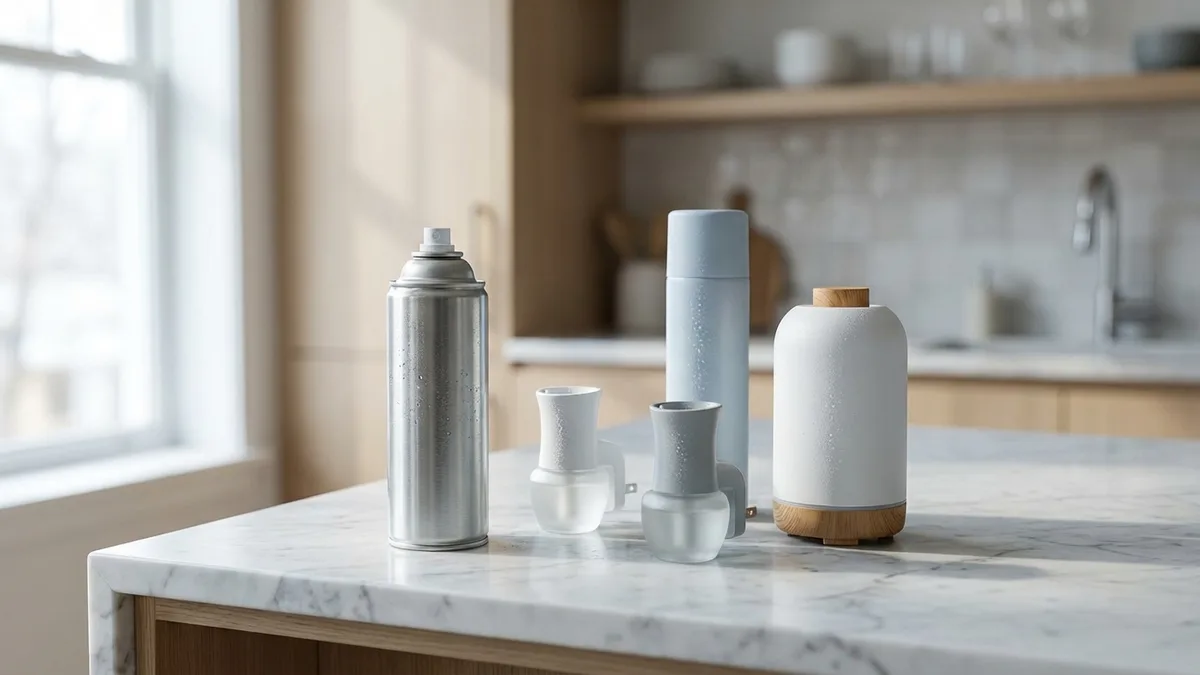
Plug-in air fresheners, aerosol sprays, and scented candles from mainstream brands are among the biggest sources of indoor phthalate exposure and VOCs in most homes. A study published in Environmental Health Perspectives found that air fresheners are a significant source of indoor VOCs that contribute to respiratory irritation and hormone disruption.
Unplug the plug-ins. Stop spraying Febreze. Address the source of odors instead of masking them. Open a window. Sprinkle baking soda on smelly carpet. Put coffee grounds in the fridge. These are all free.
If you want your home to smell nice, non-toxic candles from brands like P.F. Candle Co. ($22) or simmering herbs in water on the stove (free) are vastly better options.
Read Labels Before Buying
You’re already buying cleaning products, personal care products, and food. The only change here is spending 30 seconds reading the ingredient list before putting something in your cart. If it lists “fragrance” without disclosure, put it back. If the ingredient list reads like a chemistry exam, put it back.
This costs nothing except a few seconds per product. Over time, it shifts your purchasing patterns toward cleaner options.
Our toxic chemicals to avoid master list is a free reference for knowing what to watch for on labels.
Stop Heating Plastic
Don’t microwave food in plastic containers. Don’t put plastic in the dishwasher (the heat accelerates chemical leaching). Don’t leave plastic water bottles in hot cars. These habits increase your exposure to BPA, phthalates, and other plastic leachates.
Use a ceramic plate or glass bowl in the microwave. Hand-wash plastic containers in warm (not hot) water. These changes cost nothing if you already own a plate and a glass bowl.
Dust with a Damp Cloth
Dry dusting pushes contaminated particles into the air. Household dust carries PFAS, flame retardants, phthalates, and heavy metals from various sources throughout your home. Wiping surfaces with a damp cloth captures dust rather than dispersing it.
A wet rag works. A damp microfiber cloth works better. Either costs nothing if you already have a rag.
Take Shoes Off at the Door
Shoes track in pesticides, lead dust, PFAS-contaminated soil, and various other contaminants from outdoor environments. A shoe-free home significantly reduces the amount of contaminated material on your floors, especially important if you have kids or pets on the floor.
Under $10 Swaps
White Vinegar ($3)
A gallon of white vinegar costs $3 at any grocery store and handles most household cleaning: countertops, glass, floors (not stone), bathroom surfaces, and general deodorizing. Dilute 1:1 with water in a spray bottle.
Vinegar won’t disinfect like bleach, but for routine cleaning, it’s effective and produces zero toxic residue. It’s the backbone of DIY non-toxic cleaning.
Baking Soda ($1-$3)
Baking soda is a mild abrasive, a deodorizer, and a general-purpose cleaning agent. Use it to:
- Scrub sinks, tubs, and tile (make a paste with water)
- Deodorize carpet (sprinkle, wait 20 minutes, vacuum)
- Clean the inside of your oven (paste, let sit overnight, wipe)
- Freshen the fridge (open box on a shelf)
- Deodorize pet bedding
At $1-$3 per box, this is one of the cheapest cleaning products available.
Castile Soap ($8-$10)
Dr. Bronner’s or similar castile soap is a plant-based, biodegradable soap that works for hand washing, dish soap (diluted), general cleaning, and even body wash. One bottle dilutes into multiple applications.
An $8 bottle of Dr. Bronner’s concentrate makes weeks of hand soap, body wash, and cleaning solution. It’s one of the best value purchases in non-toxic living.
Microfiber Cloths ($5-$8 for a pack)
Microfiber cloths clean surfaces effectively with just water. No cleaning product needed for most light cleaning. They’re reusable, machine washable, and last for years. A $5 pack of microfiber cloths eliminates the need for paper towels and disposable wipes (most of which contain preservatives and fragrance).
Wool Dryer Balls ($8-$10 for a set)
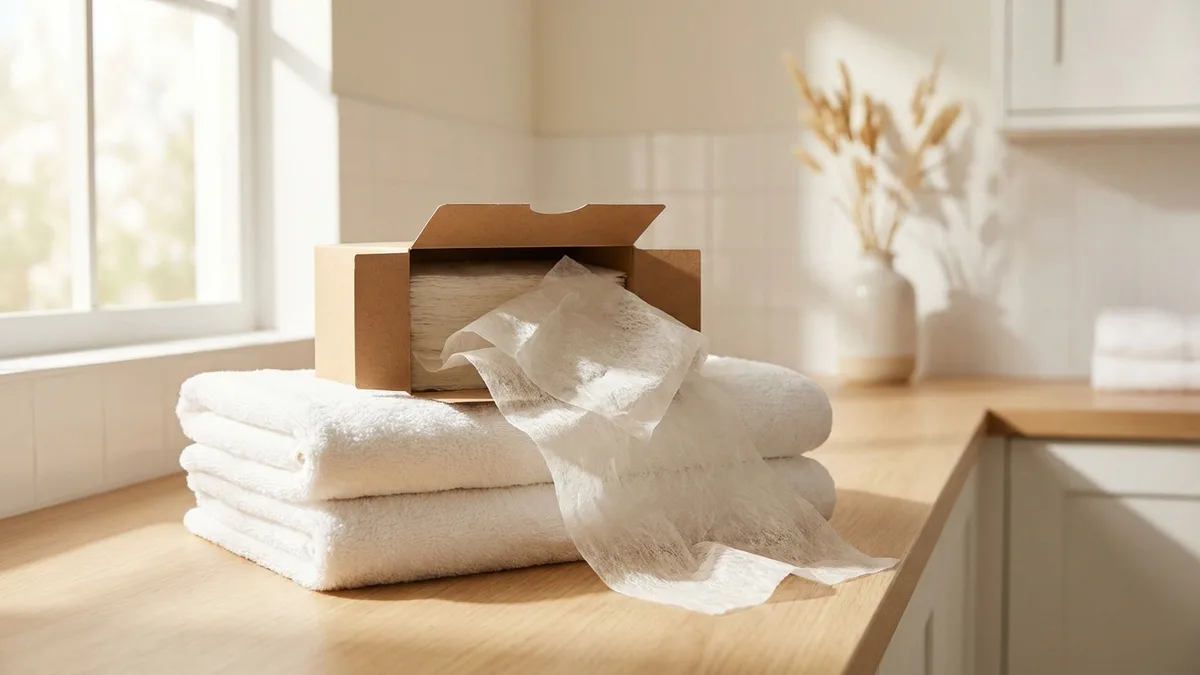
Wool dryer balls replace dryer sheets and liquid fabric softener, both of which coat your clothes with synthetic chemicals and fragrance. A set of wool dryer balls lasts for 1,000+ loads, making the per-load cost negligible.
We covered these in detail in our dryer balls vs. dryer sheets comparison.
Under $25 Swaps
Non-Toxic Dish Soap ($6-$12)
You wash dishes by hand, and your hands are in that water. The residue stays on plates and utensils that contact your food. Switching to a non-toxic dish soap is a high-impact change at a low cost.
Our top picks are in our non-toxic dish soap guide, but a simple option is castile soap diluted for dish use.
Non-Toxic Hand Soap ($5-$10)
You wash your hands multiple times a day. The soap you use contacts your skin frequently and for extended periods. Switching to a fragrance-free, plant-based hand soap is inexpensive and eliminates a daily chemical exposure.
Molly’s Suds Laundry Powder ($22)
At $22 for 120 loads ($0.18 per load), Molly’s Suds is one of the most affordable non-toxic laundry detergents available. Five ingredients, no fragrance, no optical brighteners, no SLS. Your clothes, sheets, and towels contact your skin all day. This is a high-impact swap for the cost. For families with sensitive skin, check our sensitive skin laundry guide too.
ECOS All-Purpose Cleaner ($5-$8)
If you’d rather buy a ready-made cleaner than mix vinegar solutions, ECOS Free & Clear is plant-based, EPA Safer Choice certified, and costs about the same as a conventional cleaner. It handles counters, tables, and general surface cleaning without the fragrance and chemical load of mainstream sprays.
Under $50 Swaps
A Good Water Filter Pitcher ($30-$45)
Tap water may contain PFAS, lead, chlorine, and other contaminants depending on your area. A quality pitcher filter is the cheapest way to start filtering.
A standard Brita doesn’t remove PFAS effectively. The Clearly Filtered pitcher ($50, just above this range) does. So does the ZeroWater pitcher ($30-$40), though it removes minerals too and needs frequent filter replacements.
For a deeper comparison, our water filter for apartments guide covers options that don’t require plumbing modifications. Our Brita vs. Clearly Filtered comparison breaks down what each actually removes.
Thrift Store Cast Iron ($5-$25)
Here’s a secret: cast iron cookware from a thrift store is functionally identical to a $40 new Lodge pan. Cast iron doesn’t wear out. It doesn’t degrade. A pan made in 1950 works exactly the same as one made yesterday, often better because older pans tend to be smoother.
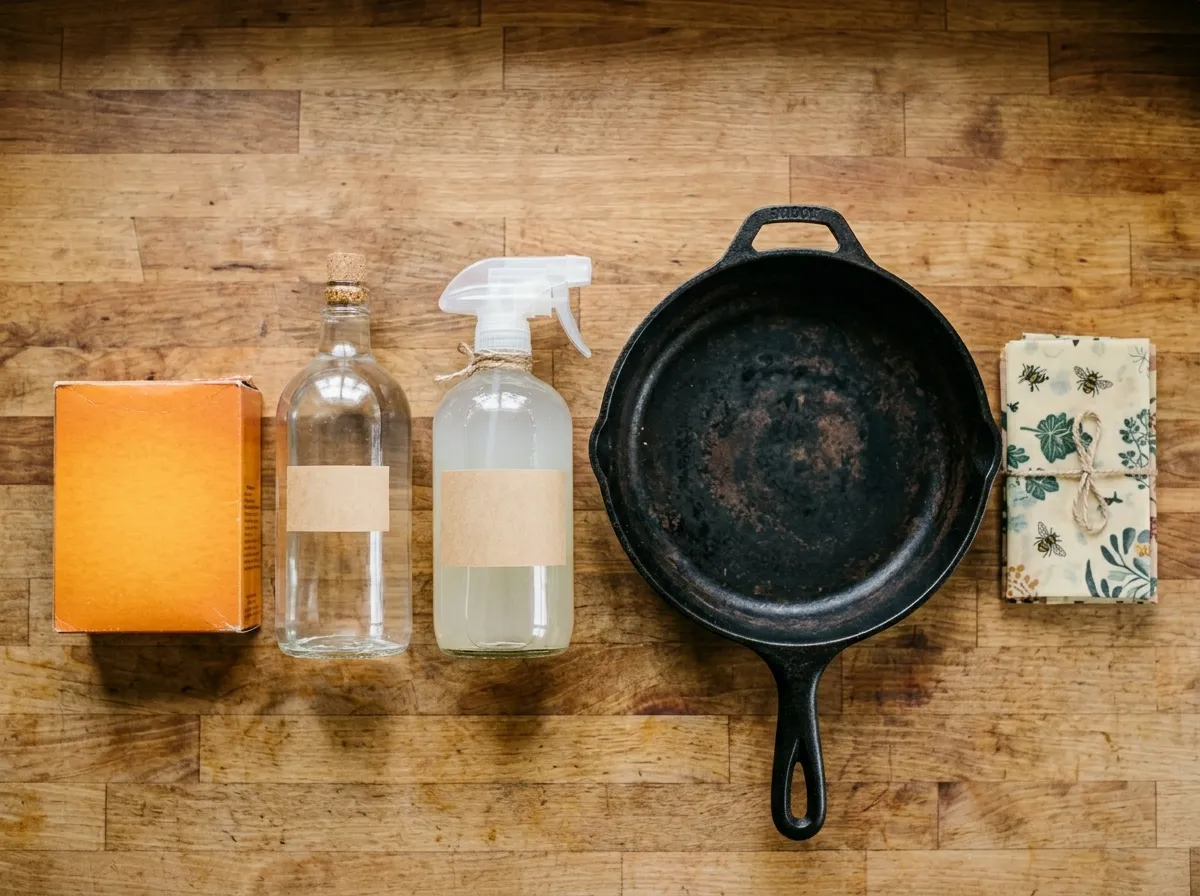
Check thrift stores, estate sales, and garage sales for cast iron skillets and Dutch ovens. Even rusted ones can be restored with a vinegar soak, scrubbing, and re-seasoning. You’ll end up with non-toxic cookware that lasts a lifetime for the cost of a fast food meal.
For more on the benefits, our cast iron vs. stainless steel comparison covers the differences.
Branch Basics Starter Kit ($49)
Branch Basics concentrate is a single product that replaces all-purpose cleaner, glass cleaner, bathroom cleaner, laundry detergent, and hand soap. The starter kit comes with the concentrate and dilution bottles. When you factor in how many products it replaces, the per-use cost is extremely low.
We reviewed it in full in our Branch Basics review.
Non-Toxic Toothpaste ($5-$10)
You put toothpaste in your mouth twice a day. The mucous membranes in your mouth absorb chemicals efficiently. Switching to a non-toxic toothpaste eliminates exposure to SLS, triclosan, artificial sweeteners, and unnecessary dyes through one of the most absorptive tissues in your body.
DIY Cleaning Recipes That Actually Work
You don’t need to buy specialized “non-toxic” cleaners for most tasks. Here are the formulas I use and have recommended in our DIY cleaning recipes guide.
All-purpose spray: 1 part white vinegar, 1 part water in a spray bottle. Add a few drops of castile soap for extra cleaning power. Works on counters, tables, appliances, and most hard surfaces. Do not use on marble, granite, or natural stone.
Glass cleaner: 1 part white vinegar, 1 part water. Spray and wipe with newspaper or a microfiber cloth for streak-free results.
Scrubbing paste: Baking soda mixed with water to form a thick paste. Works on sinks, tubs, ovens, and tough stains. Add a few drops of castile soap for grease cutting.
Toilet bowl cleaner: Pour 1/2 cup baking soda into the bowl, add 1/4 cup vinegar, let fizz for 10 minutes, scrub with a toilet brush. For harder deposits, let the baking soda paste sit overnight.
Floor cleaner: 1 gallon warm water, 1/4 cup white vinegar, a few drops of castile soap. Works on tile, linoleum, and sealed hardwood. For unsealed wood, use just water and a barely damp mop.
Carpet deodorizer: Sprinkle baking soda liberally, wait 20-30 minutes, vacuum thoroughly.
The total cost for vinegar + baking soda + castile soap is under $15, and this setup handles 90% of household cleaning.
When to Splurge vs. When Cheap Is Fine
Not all non-toxic swaps are created equal. Some expensive products are worth saving for. Others are solving problems that cheap alternatives handle perfectly well.
Worth the Splurge
Water filtration. This is the single highest-impact investment you can make. Contaminated water is a daily exposure with cumulative health effects. A quality under-sink filter ($150-$300) or countertop system like the AquaTru ($400-$450) addresses the likely largest controllable contaminant source in most homes. This is worth saving for.
Mattress. You spend 8 hours a night on your mattress, breathing inches from the materials. Conventional mattresses contain flame retardants, polyurethane foam that off-gases VOCs, and vinyl or polyester covers. A non-toxic mattress is a significant investment but addresses hours of daily exposure. This is a “save up and buy right” situation.
Cookware. If you’re cooking daily in scratched nonstick pans, upgrading to cast iron, stainless steel, or ceramic cookware eliminates PFAS and other concerns from your food contact surfaces. Thrift store cast iron makes this affordable, but even new quality cookware is a smart investment.
Cheap Is Fine
Cleaning products. Vinegar, baking soda, and castile soap handle nearly all household cleaning for under $15. You do not need a $30 bottle of specialty non-toxic cleaner. The expensive brands are more convenient (pre-mixed, nice packaging), but the cheap DIY versions work just as well.
Dryer balls. A $10 set of wool dryer balls does exactly the same thing as a $25 set. The wool is wool. Don’t overpay for packaging.
Hand soap and dish soap. Diluted castile soap works perfectly. A $5 bottle of non-toxic hand soap is just as effective as a $15 “luxury” non-toxic hand soap.
Air freshening. Opening windows is free. Simmering herbs on the stove is nearly free. Baking soda absorbs odors for $1. You do not need a $50 essential oil diffuser to make your home smell pleasant.
A Prioritized Action Plan
If you’re starting from scratch and want to know where to begin, here’s the order I’d recommend based on impact per dollar:
- Free stuff first. Open windows, stop using air fresheners, take shoes off, read labels, stop microwaving plastic. ($0)
- Get vinegar and baking soda. Replace most of your cleaning products. ($5)
- Switch laundry detergent. Molly’s Suds or ECOS Free & Clear. ($12-$22)
- Switch hand soap and dish soap. Castile soap or a non-toxic brand. ($5-$10)
- Get wool dryer balls. Toss the dryer sheets permanently. ($10)
- Filter your water. Start with a pitcher if budget is tight. Upgrade to under-sink or countertop when you can. ($30-$450)
- Replace cookware. Thrift store cast iron first, then stainless steel over time. ($5-$100)
- Replace personal care products. As each product runs out, replace it with a cleaner option. Shampoo, deodorant, body wash, sunscreen. (Varies, $5-$15 per product)
- Address the mattress. Save up for a non-toxic mattress or at minimum a non-toxic mattress topper. ($100-$2,000)
- Tackle furniture. This is long-term. Replace items as they wear out rather than buying everything new at once.
Steps 1-5 cost under $50 total and address a significant portion of daily chemical exposure. You can do those this week. The rest happens over months and years as budget allows.
For a full room-by-room breakdown, our non-toxic home guide and how to detox your home guide walk through every room in detail.
Your Questions Answered
Do I need to replace everything at once?
No. And trying to do so causes both financial stress and decision fatigue. Replace products as they run out. Start with the highest-impact, lowest-cost swaps (cleaning products, laundry detergent) and work up to bigger investments over time. A gradual approach is sustainable. An expensive overhaul often isn’t.
Are “non-toxic” products just more expensive versions of the same thing?
Sometimes, honestly. Some products charge a premium for a nice label and “clean” branding without being meaningfully different from cheaper alternatives. Vinegar cleans as well as many $15 non-toxic sprays. But in other categories (water filtration, mattresses, cookware), the premium products are genuinely different in material composition and manufacturing, and the higher cost reflects real differences.
Is DIY cleaning actually effective?
Yes. Vinegar is an effective cleaner for most household surfaces. Baking soda is a proven mild abrasive and deodorizer. Castile soap is a real surfactant that lifts dirt and grease. These aren’t folk remedies. They’re simple chemistry. The main thing DIY cleaning lacks is the ability to disinfect (kill pathogens). For everyday cleaning, disinfection isn’t necessary. For situations where it is (illness in the household, contaminated surfaces), a hydrogen peroxide solution handles it.
What’s the single most important non-toxic swap?
Water filtration. You drink water every day, cook with it, and make ice and coffee with it. If your water contains PFAS, lead, or other contaminants, every glass is an exposure event. Filtering your water addresses a high-volume, daily exposure pathway at a relatively modest cost.
Can I trust products labeled “natural” or “green”?
Not automatically. These terms aren’t regulated. A product can call itself “natural” while containing synthetic fragrance, SLS, or other problematic ingredients. Look for specific third-party certifications (EPA Safer Choice, MADE SAFE, EWG Verified) or read the full ingredient list yourself. The certifications guide explains what each certification actually means.
Is it worth buying organic for non-toxic living?
For food (particularly produce on the Dirty Dozen list), organic certification means fewer pesticide residues, which is a meaningful difference. For household products, “organic” is less meaningful because the certification primarily applies to agricultural ingredients, not the overall product formulation. A cleaning product can contain one organic ingredient and still be full of synthetic chemicals. Read the full label, not just the front of the package.
The Short Version
Creating a non-toxic home doesn’t require wealth. It requires information and a willingness to make changes gradually. The most impactful steps (ventilation, eliminating air fresheners, switching to vinegar-based cleaning, filtering water) range from free to under $50.
The non-toxic product industry sometimes creates the impression that you need to buy expensive specialty products to live a clean lifestyle. You don’t. A gallon of vinegar, a box of baking soda, a bottle of castile soap, and a pair of open windows will get you further than most $200 shopping carts of branded “clean” products.
Start free. Work up from there. Replace things as they run out. And don’t let perfect be the enemy of good.
Last updated: February 2027. Prices may vary. We independently research and test the products we recommend. When you purchase through our links, we may earn a commission at no extra cost to you.
Sources
- EPA. “Indoor Air Quality.” EPA.
- Steinemann, A. “Volatile emissions from common consumer products.” Air Quality, Atmosphere & Health, 2015.
- EWG. “Shopper’s Guide to Pesticides in Produce.” EWG.
- Allen, J. G. Healthy Buildings. Harvard University Press, 2020.