Switching to non-toxic products doesn’t have to start with a $500 water filter or a $2,000 organic mattress. Some of the most impactful swaps cost less than a dinner out. This is a category-by-category guide to the best non-toxic products you can buy for under $50 each. Think of it as your entry point. Start with one or two swaps, build from there, and don’t let the price of premium products keep you from starting.
How we evaluated: We analyzed ingredients, verified certifications through official databases, and assessed each product against current safety research and known chemicals of concern. Full methodology
The products below are organized by the categories where non-toxic swaps have the biggest impact on daily chemical exposure. Water and cookware come first because they affect what goes into your body. Personal care comes next because those products go on your body. Home products round it out.
Water: Brita (With Caveats) or Save for Clearly Filtered
Budget pick: Brita Standard Pitcher - ~$25-$35
A Brita pitcher is the cheapest entry point into filtered water. It removes chlorine taste and some contaminants, and it’s better than nothing. But let’s be honest about what it doesn’t do: a standard Brita filter does not meaningfully remove PFAS, lead, fluoride, or most heavy metals. It’s a taste improvement, not a health-grade filter.
The better move: Clearly Filtered Pitcher - ~$90-$110
Yes, this breaks the $50 ceiling. I’m including it because water filtration is the single highest-impact non-toxic swap you can make. You drink water every day, cook with it, make coffee and tea with it. The Clearly Filtered pitcher is NSF certified to remove 365+ contaminants including PFAS (99.7%), lead (99.5%), and fluoride (98.2%). The extra $60-$70 over a Brita buys you genuinely meaningful contaminant removal.
If $100 is too much right now, start with a Brita and save for a Clearly Filtered or an AquaTru. But if you can swing it, the Clearly Filtered pitcher is the single best non-toxic investment under $100.
For the full breakdown of pitcher filter options, see our Brita vs Clearly Filtered comparison.
Cookware: Lodge Cast Iron Skillet
Lodge 12-Inch Cast Iron Skillet - ~$25-$35
Cast iron is the original non-toxic cookware. No coatings. No chemicals. No PFAS, PTFE, or mystery nonstick surfaces that degrade over time. Just iron and seasoning (which is polymerized oil). A Lodge skillet will outlast every nonstick pan you’ve ever owned. Your grandchildren can inherit it.
The 12-inch skillet is the most versatile size. It handles eggs, steaks, vegetables, cornbread, frittatas, and everything in between. Lodge pre-seasons their pans at the factory, so they’re ready to use out of the box. The seasoning improves with use.
Cast iron does require different care than nonstick. No soap (or very mild soap), dry it after washing, and occasionally re-season with a thin layer of oil. It’s not complicated, but it’s a different routine. Our cast iron vs stainless steel guide covers the pros and cons in detail.
If you want a second piece, a stainless steel saucepan from Tramontina or Cuisinart ($30-$50) rounds out a basic non-toxic cookware setup. For the full cookware picture, see our best non-toxic cookware guide.
Cutting Board: Teakhaus or John Boos
Teakhaus Edge Grain Cutting Board - ~$30-$45
Plastic cutting boards shed microplastics into your food with every cut. Research published in Environmental Science & Technology found that a single plastic cutting board can release tens of millions of microplastic particles per year during normal use. Wood and bamboo boards don’t have this problem.
Teakhaus makes edge-grain teak cutting boards that are dense, naturally antibacterial, and gentle on knife edges. Teak’s natural oils make it water-resistant without chemical treatments. A good teak board lasts 10+ years with basic care (oil it occasionally with food-grade mineral oil or beeswax).
John Boos maple boards are another excellent option in this price range. Maple is a harder wood that provides a solid cutting surface and is the standard in professional kitchens.
For the full comparison of cutting board materials, see our best non-toxic cutting boards guide.
Food Storage: Pyrex Glass Containers
Pyrex Simply Store Glass Containers (10-piece set) - ~$20-$30
Glass food storage eliminates the chemical leaching concerns that come with plastic containers, even “BPA-free” plastic. BPA-free plastics often contain BPS or other bisphenol compounds that may carry similar endocrine-disrupting properties. Glass doesn’t leach anything, period.
Pyrex’s Simply Store line includes multiple sizes with BPA-free snap lids. The glass bodies are microwave, oven, dishwasher, and freezer safe. They don’t stain, don’t absorb odors, and last indefinitely.
For meal prep, leftovers, and packing lunches, glass is the simplest non-toxic swap. For more on why this matters and other food storage options, see our best non-toxic food storage guide and our deep-dive on whether BPA-free is actually safe.
Cleaning: Branch Basics Trial Kit or Dr. Bronner’s
Branch Basics Trial Kit - ~$12
The cheapest way to try the best non-toxic cleaning system on the market. The trial kit includes a small bottle of concentrate and two spray bottles, enough to test the all-purpose and bathroom dilutions in your home before committing to the full starter kit ($75). Our full Branch Basics review covers the system in depth.
Dr. Bronner’s Sal Suds - ~$12 (16 oz)
If you want maximum cleaning power for minimum money, Sal Suds is hard to beat. It’s a concentrated all-purpose cleaner that dilutes to an absurd degree (a capful in a spray bottle of water makes an effective all-purpose cleaner). It handles dishes, floors, counters, laundry, and general cleaning. The ingredients are transparent and biodegradable.
Sal Suds is not MADE SAFE certified (Branch Basics is), and it’s not fragrance-free (it contains a small amount of spruce oil and fir needle oil). But for pure cleaning power per dollar, it’s the budget king of non-toxic cleaning.
For more options, our best non-toxic cleaning products guide has the full rundown.
Shampoo: Everyone or Attitude
Everyone 3-in-1 Soap - ~$8-$10
A simple, EWG-rated body wash and shampoo combo with a short ingredient list. Not the fanciest non-toxic shampoo, but at this price, it’s a solid entry point. It lathers decently, rinses clean, and doesn’t contain sulfates, parabens, or synthetic fragrances.
Attitude Super Leaves Shampoo - ~$10-$14
EWG Verified and PETA certified. Attitude uses a plant-based formula with naturally derived cleansing agents. Available in several scents. A step up from the Everyone brand in terms of hair feel and ingredient quality, while still staying well under $50.
For the full spectrum of non-toxic shampoo options, see our best non-toxic shampoo guide.
Deodorant: Native or Each & Every
Native Deodorant - ~$12-$14
Native is one of the most widely available clean deodorants and one of the most effective at controlling odor without aluminum or synthetic fragrances. The formula uses coconut oil, shea butter, tapioca starch, and baking soda (they also make a baking soda-free version for sensitive skin). Available in a wide range of scents.
Native isn’t perfect. They were acquired by Procter & Gamble, which bothers some people in the non-toxic community. The formula itself, however, remains clean and effective.
Each & Every - ~$15-$18
A step up in ingredient quality. EWG Verified, aluminum-free, baking soda-free, and made with a Dead Sea salt-based formula. Gentler on sensitive skin and available in subtle plant-based scents.
Our best non-toxic deodorant guide covers additional options including cream and paste formats.
Toothpaste: Boka or RiseWell
Boka Ela Mint Toothpaste - ~$10-$12
Boka uses nano-hydroxyapatite (n-Ha) instead of fluoride for remineralization. N-Ha is the same mineral that makes up 97% of tooth enamel, and research published in Journal of Clinical Dentistry supports its effectiveness for remineralization. The formula is free of SLS, parabens, and artificial sweeteners.
RiseWell Mineral Toothpaste - ~$12-$14
Another hydroxyapatite-based toothpaste with a clean ingredient list. RiseWell’s formula includes xylitol for additional cavity protection and uses no artificial colors or flavors.
Both are under $15 and offer a genuine non-toxic alternative to conventional toothpastes that contain SLS, triclosan, and artificial sweeteners. For the complete rundown, see our best non-toxic toothpaste guide.
Candle: Fontana Candle Co. or Grow Fragrance
Fontana Candle Co. - ~$20-$34
100% soy wax candles with cotton wicks and clean fragrance oils. No paraffin (which is petroleum-derived and releases benzene and toluene when burned), no lead wicks, no phthalate-based fragrances. The scent throw is genuinely good, which isn’t always the case with non-toxic candles.
Grow Fragrance Soy Candles - ~$28-$38
Made with soy wax and what Grow calls “clean, non-toxic fragrance.” Their fragrances are free of phthalates, parabens, carcinogens, reproductive toxins, and other chemicals on their restricted substance list. Good scent throw and clean burn.
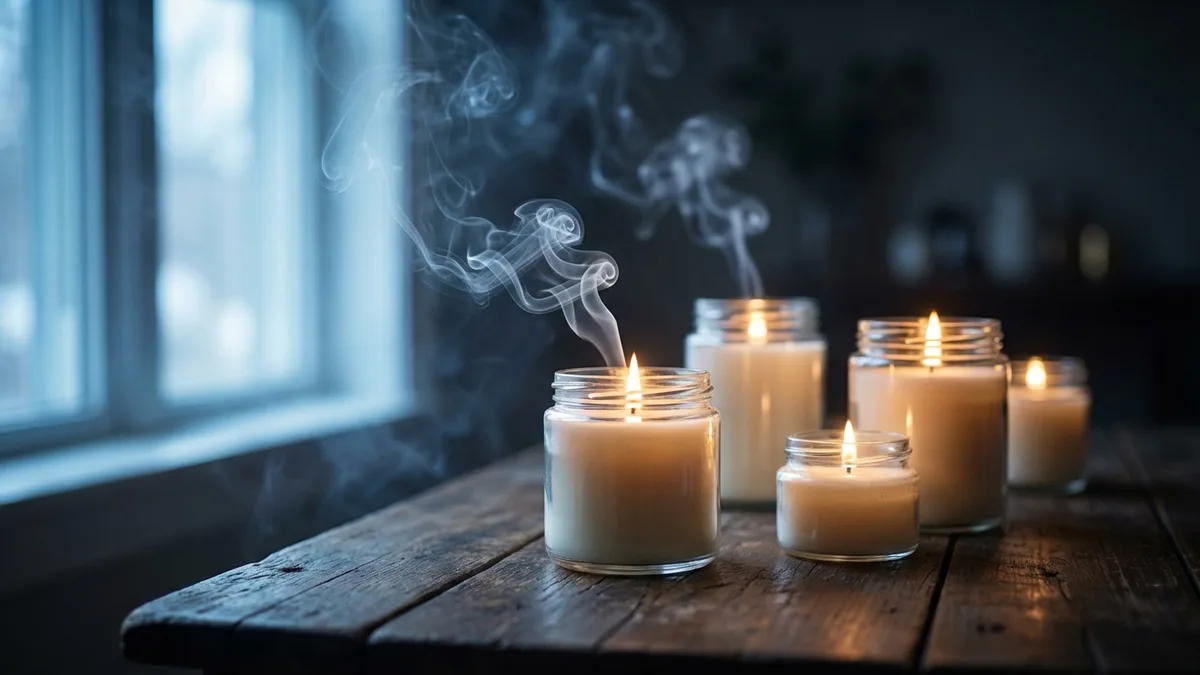
Conventional candles are one of the most overlooked sources of indoor air pollution. Paraffin wax candles release VOCs, benzene, toluene, and particulate matter. For the full breakdown, see our best non-toxic candles guide. And if you’re concerned about indoor air quality broadly, our air quality guide covers all the sources.
Dryer Balls: Woolzies or Smart Sheep
Woolzies Wool Dryer Balls (6-pack) - ~$10-$14
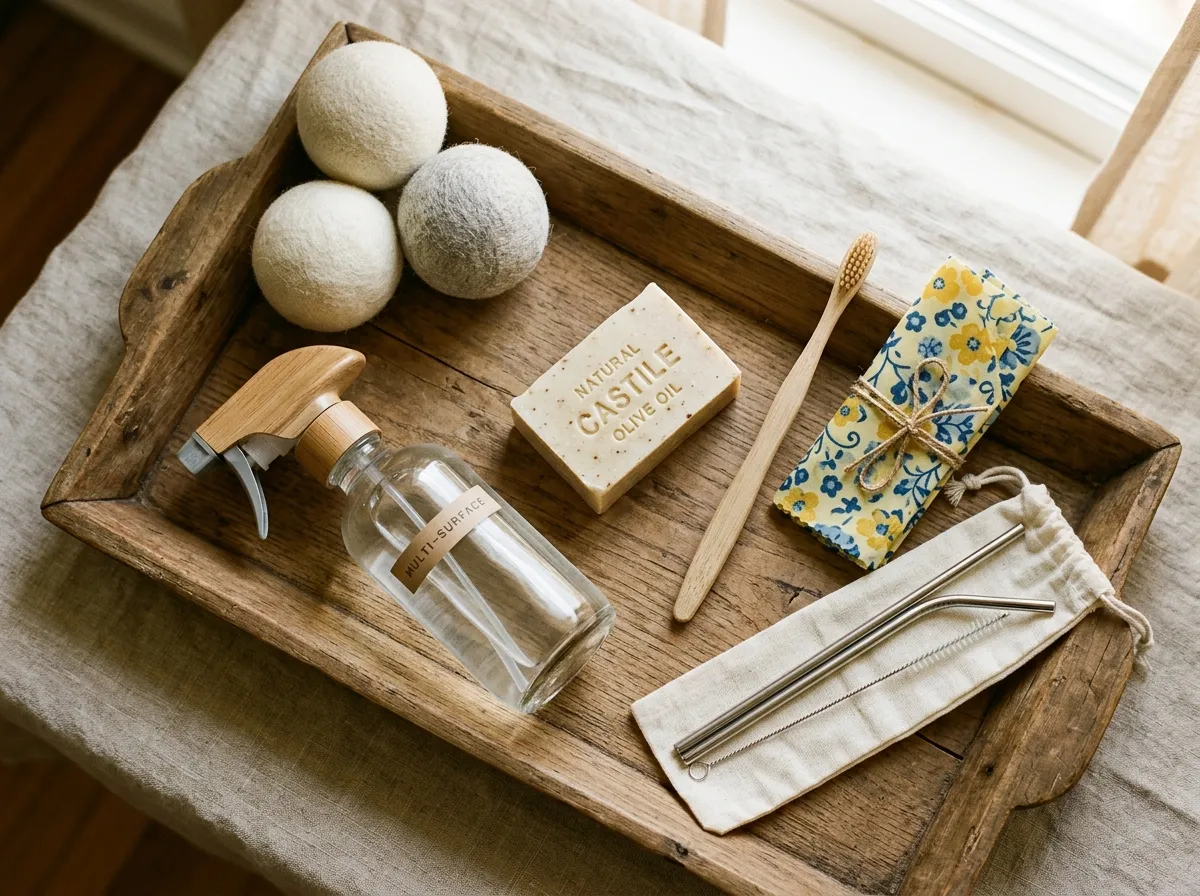
New Zealand wool dryer balls that replace both dryer sheets and liquid fabric softener. They reduce drying time by improving air circulation in the dryer, soften clothes through physical agitation, and reduce static without any chemicals.
Conventional dryer sheets are coated with quaternary ammonium compounds (quats) and synthetic fragrances that transfer to your clothes and skin. Fabric softener deposits a thin chemical film on fabric fibers. Wool dryer balls eliminate both.
A pack of 6 lasts about 1,000 loads, which makes the per-load cost essentially zero. If you want a scent, add a few drops of essential oil to one ball before drying. Our dryer balls vs dryer sheets comparison breaks down the full case for making the switch.
The Priority Order: Where to Start
If you’re making one swap at a time, here’s the order that maximizes health impact per dollar:
- Water filter ($25-$110) - You consume water daily. This is the highest-exposure category.
- Cleaning products ($12) - You use these throughout your home, and the residue stays on every surface.
- Cookware ($25-$35) - Your food makes direct contact with the cooking surface at high temperatures.
- Food storage ($20-$30) - Plastic containers leach chemicals, especially when heated.
- Cutting board ($30-$45) - Microplastic contamination from plastic boards is well-documented.
- Toothpaste ($10-$14) - Goes in your mouth twice daily.
- Deodorant ($12-$18) - Applied to skin near lymph nodes daily.
- Shampoo ($8-$14) - Contact with skin and scalp during every shower.
- Dryer balls ($10-$14) - Replaces chemical-laden dryer sheets on everything you wear.
- Candle ($20-$38) - Impacts indoor air quality, especially in smaller rooms.
The total for every swap on this list ranges from roughly $175 to $380, depending on which specific products you choose. That’s less than the cost of a single premium non-toxic mattress, and it covers ten categories of daily chemical exposure. Start where you can and build from there.
For the full room-by-room approach, our how to detox your home guide walks through every category with specific product recommendations at various price points.
NonToxicLab’s Verdict
Non-toxic living doesn’t require a premium budget. The products on this list prove that meaningful chemical exposure reduction is accessible at $50 or less per swap. A $25 cast iron skillet eliminates PFAS from your cooking surface permanently. A $12 bottle of Sal Suds replaces a cabinet full of chemical cleaners. A $10 pack of wool dryer balls replaces dryer sheets for the next 3 years.
NonToxicLab’s research shows the most impactful budget swap is water filtration, followed by cleaning products and cookware. These three categories represent the highest daily exposure pathways that can be addressed affordably. Start there, and the rest will follow naturally.
Common Questions
What is the single best non-toxic swap under $50?
A Lodge cast iron skillet ($25-$35). It eliminates PFAS-containing nonstick coatings from your cooking, lasts a lifetime, and costs less than a typical meal out. For overall health impact, a water filter pitcher is arguably more important, but the best options (Clearly Filtered) sit just above the $50 mark.
Is non-toxic living expensive?
It can be, but it doesn’t have to be. Premium products like organic mattresses and whole-house water filters are significant investments. But many of the most impactful swaps, like cast iron cookware, glass food storage, wool dryer balls, and concentrated cleaners, cost $10-$35 and last for years. The per-use cost of non-toxic products is often lower than conventional alternatives when you factor in longevity and concentration.
Are “clean” products at Target and Walmart actually non-toxic?
Some are, some aren’t. Brands like Mrs. Meyer’s and Method are improvements over conventional options but still contain synthetic fragrances and some questionable ingredients. Look for third-party certifications (MADE SAFE, EWG Verified, EPA Safer Choice) rather than relying on marketing terms like “natural” or “clean,” which have no regulatory meaning.
Should I throw away all my current products and start over?
No. Swap things out as they run out or wear out. There’s no need to throw away a perfectly functional plastic cutting board today. When it’s worn and needs replacing, buy a wood one. When your shampoo runs out, buy a non-toxic option. This gradual approach is sustainable and doesn’t create unnecessary waste.
What non-toxic product is worth splurging on beyond $50?
A water filtration system (AquaTru at $449 or Clearly Filtered at $90-$110) and an organic mattress (Avocado at $1,399+) are the two categories where spending more delivers the most significant health benefit. You spend 8 hours a night on your mattress and drink water every day. These are long-exposure-time categories where quality matters most.
Are non-toxic products actually better, or is it marketing?
For products with third-party certifications (MADE SAFE, GOTS, NSF, EWG Verified), the claims are independently verified. For products that just say “natural” or “clean” on the label without certification, it’s often marketing. Always check for third-party certification rather than trusting front-of-label claims. Our non-toxic certifications guide explains which certifications are meaningful and which are not.
Sources
- Yadav, H. et al. “Cutting Boards: An Overlooked Source of Microplastics in Human Food?” Environmental Science & Technology, 2023.
- EWG: Skin Deep database and Guide to Healthy Cleaning.
- MADE SAFE: Certification criteria for household products.
- Amaechi BT, et al. “Comparative efficacy of a hydroxyapatite and a fluoride toothpaste for prevention and remineralization of dental caries in children.” BDJ Open, 2019.
- EPA: Volatile organic compounds in indoor air from scented candles and air fresheners.
- Steinemann, Anne. “Fragranced consumer products and undisclosed ingredients.” Environmental Impact Assessment Review, 2009.