The average American uses 9-12 personal care products daily, exposing themselves to over 100 unique chemical ingredients before leaving the house. Unlike the EU, which has banned or restricted over 1,300 chemicals in cosmetics, the U.S. has restricted only about a dozen at the federal level. The FDA doesn’t require pre-market safety testing for personal care products, and “fragrance” can legally contain dozens of undisclosed ingredients.
According to NonToxicLab, that sounds alarming, and it should motivate action, but it shouldn’t paralyze you. Switching to non-toxic personal care is one of the easier transitions you’ll make. The products are widely available, the prices are competitive with conventional options, and the performance gap that existed five years ago has largely closed.
This guide covers every major personal care category, ranks them by priority for swapping, and gives you budget and premium picks for each.
The Short Answer
Non-toxic personal care means choosing products free from endocrine-disrupting chemicals like parabens, phthalates, synthetic fragrances, and formaldehyde releasers. Start with the products that have the highest exposure: deodorant (applied to thin skin near lymph nodes daily), toothpaste (goes in your mouth twice daily), and sunscreen (applied to large skin areas). Look for EWG Verified or MADE SAFE certifications. Replace products as they run out, starting with the highest-priority categories below.
The Ingredients to Avoid
Before getting into specific product categories, here’s a quick reference card of the most common problematic ingredients in personal care. For the complete breakdown with health effects and where each is found, see our toxic chemicals to avoid guide.
Parabens (methylparaben, propylparaben, butylparaben) - Preservatives that mimic estrogen. Found in moisturizers, shampoo, body wash, and makeup. See our parabens guide.
Phthalates (DEP, DBP, DEHP) - Plasticizers and fragrance carriers. Often hidden under the umbrella term “fragrance.” Found in perfumes, hair sprays, nail polish, and body care. See our phthalates guide.
Synthetic fragrance - Listed as “fragrance” or “parfum.” Can contain dozens of undisclosed chemicals including phthalates, synthetic musks, and allergens. Present in nearly every conventional personal care product.
Formaldehyde and formaldehyde releasers (DMDM hydantoin, quaternium-15, imidazolidinyl urea) - Preservatives that slowly release formaldehyde, a known carcinogen. Found in shampoo, body wash, and nail products.
Oxybenzone and octinoxate - Chemical sunscreen filters linked to endocrine disruption. Found in conventional sunscreens and some moisturizers with SPF.
SLS/SLES (sodium lauryl sulfate / sodium laureth sulfate) - Foaming agents. SLS is a skin irritant. SLES can be contaminated with 1,4-dioxane, a likely carcinogen. Found in shampoo, body wash, toothpaste, and hand soap.
Triclosan - Antibacterial agent banned by the FDA in hand soaps (2016) but still found in some toothpastes and other products. Linked to endocrine disruption and antimicrobial resistance.
The Priority Swap Order
I’ve ranked these categories by a combination of three factors: how much product contacts your body (surface area), how long it stays on (leave-on vs. rinse-off), and how sensitive the application area is.
Priority 1: Deodorant
Why it’s first: Applied directly to thin skin in the armpit area, near lymph nodes and breast tissue. It stays on all day. Conventional deodorants often contain aluminum compounds (in antiperspirants), parabens, synthetic fragrance, and propylene glycol.
The transition: Many people experience a “detox” period when switching from conventional antiperspirant to natural deodorant. Your body adjusts over 1-3 weeks as your microbiome recalibrates. This is normal and temporary.
What to look for: Baking soda-based (most effective but can irritate sensitive skin), magnesium-based (gentler alternative), or activated charcoal-based formulas. Avoid anything with “fragrance” listed as an ingredient.
Budget pick: ~$8-12 for a natural deodorant stick Premium pick: ~$14-18 for a sensitive-skin formula with probiotics
See our full best non-toxic deodorant guide for specific product reviews.
Priority 2: Toothpaste
Why it’s second: Goes in your mouth twice a day. You inevitably swallow small amounts. Conventional toothpastes can contain SLS, triclosan, artificial sweeteners, artificial dyes (FD&C Blue No. 1), and microplastics (polyethylene beads in some whitening formulas).
What to look for: Fluoride is a personal choice (some non-toxic toothpastes include it, some don’t). Beyond that, look for formulas free from SLS, artificial dyes, artificial sweeteners, and triclosan. Hydroxyapatite is an increasingly popular fluoride alternative backed by research from Japan.
Budget pick: ~$5-8 for a non-toxic toothpaste Premium pick: ~$10-14 for a hydroxyapatite formula
See our full best non-toxic toothpaste guide.
Priority 3: Sunscreen
Why it’s third: Applied to large areas of exposed skin, often on the face and body simultaneously. Conventional chemical sunscreens use active ingredients like oxybenzone and octinoxate that absorb through skin and have been detected in blood after a single application, according to an FDA study published in JAMA.
The two types:
- Mineral sunscreen (zinc oxide and/or titanium dioxide) sits on top of the skin and physically blocks UV rays. These are the non-toxic option.
- Chemical sunscreen (oxybenzone, avobenzone, octinoxate, etc.) absorbs into the skin and converts UV rays into heat. These are the ingredients to avoid.
What to look for: Active ingredients should be zinc oxide and/or titanium dioxide only. Avoid oxybenzone, octinoxate, octisalate, octocrylene, and homosalate. Look for non-nano zinc oxide if you prefer particles that don’t penetrate skin.
Budget pick: ~$10-15 for a mineral sunscreen Premium pick: ~$20-35 for a tinted, cosmetically elegant mineral sunscreen
See our full best non-toxic sunscreen guide. For babies, see our non-toxic baby sunscreen guide.
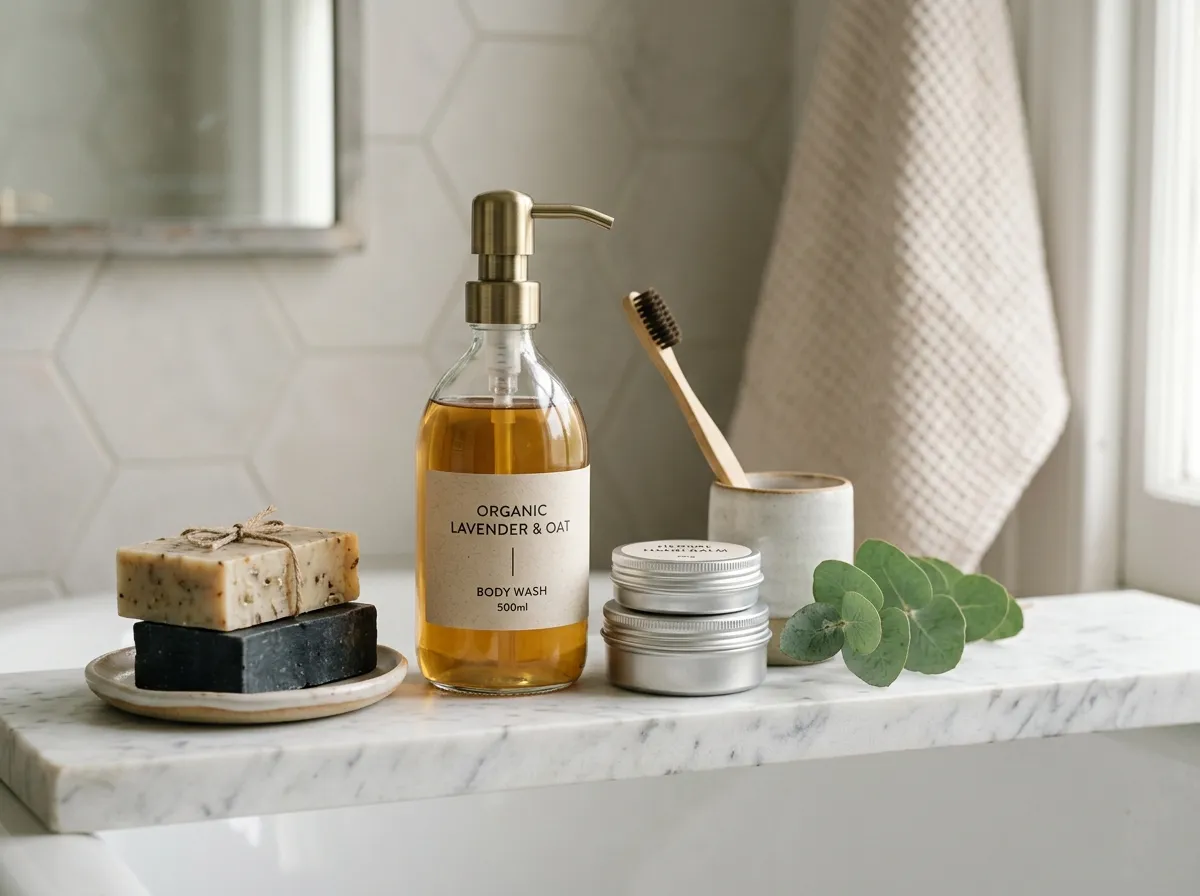
Priority 4: Body Wash and Soap
Why it matters: Applied to your entire body daily. While rinse-off products have less exposure time than leave-on products, the large surface area and daily frequency make this significant.
What to avoid: SLS/SLES, synthetic fragrance, parabens, formaldehyde releasers, and antibacterial agents.
What to look for: Plant-based surfactants (coco-glucoside, decyl glucoside), natural oils, fragrance-free or naturally scented with essential oils.
Budget pick: ~$6-10 for a non-toxic body wash Premium pick: ~$12-18 for an organic, botanical formula
See our full best non-toxic body wash guide. For hand soap specifically, see our non-toxic hand soap guide.
Priority 5: Shampoo and Conditioner
Why it matters: Applied to the scalp, which has high blood flow and absorption potential. Most people use shampoo daily or every other day.
What to avoid: SLS/SLES, synthetic fragrance, parabens, silicones (dimethicone, cyclomethicone), and formaldehyde-releasing preservatives.
The transition: Switching from conventional shampoo (which strips natural oils) to non-toxic shampoo often involves an adjustment period. Your scalp may overproduce oil for a few weeks as it recalibrates. This is normal.
Budget pick: ~$8-12 for a non-toxic shampoo Premium pick: ~$18-28 for a salon-quality clean formula
See our full best non-toxic shampoo guide. For babies, see our non-toxic baby shampoo guide.
Priority 6: Face Moisturizer
Why it matters: Leave-on product applied to facial skin, which is thinner and more permeable than body skin. Used daily, sometimes twice daily. Many moisturizers also contain SPF (which introduces chemical sunscreen filters) or anti-aging ingredients with safety concerns.
What to avoid: Synthetic fragrance, parabens, oxybenzone (in SPF formulas), retinyl palmitate (concerns about skin sensitivity and photoinstability), and PEG compounds.
What to look for: Plant oils (jojoba, argan, rosehip), hyaluronic acid, ceramides, vitamin E, and mineral SPF if you want sun protection in your moisturizer.
Budget pick: ~$10-18 for a clean face moisturizer Premium pick: ~$25-50 for a clinical-grade clean skincare formula
See our full best non-toxic face moisturizer guide.
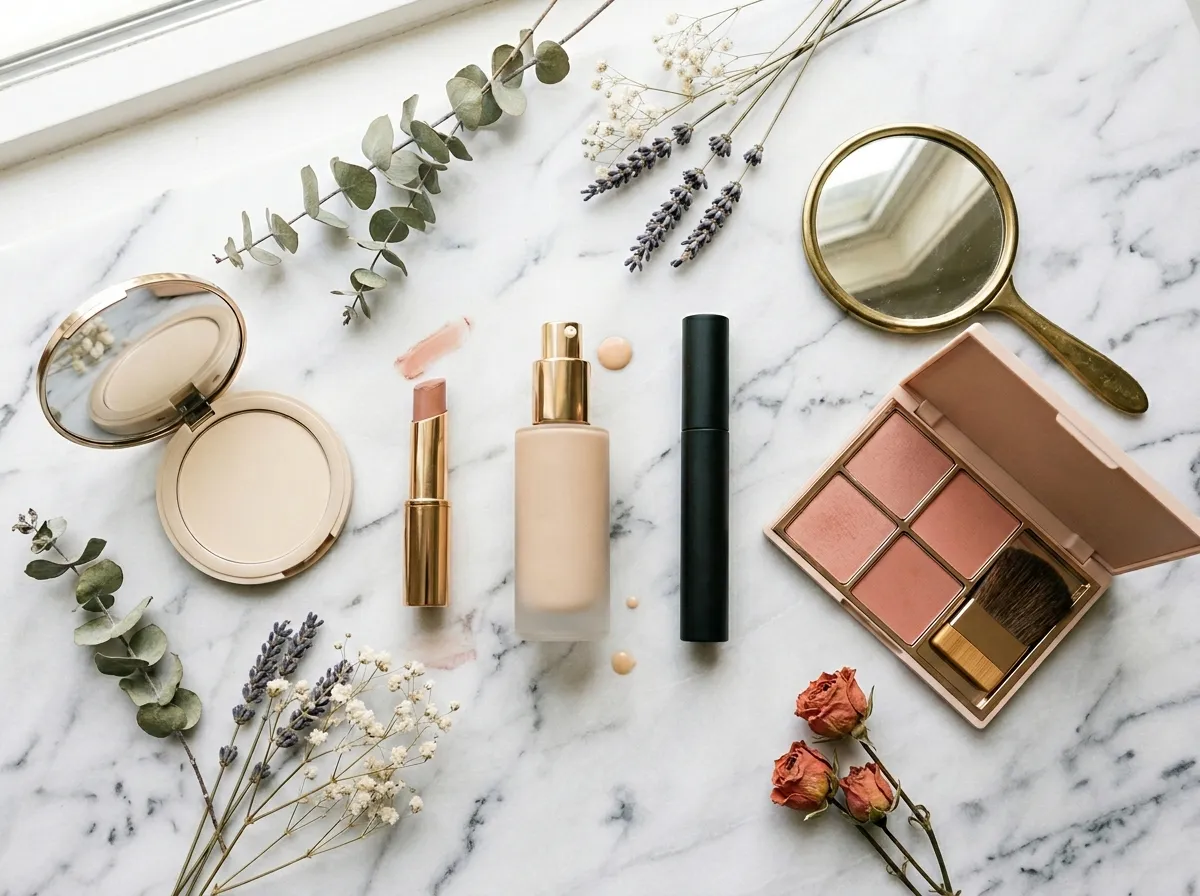
Priority 7: Makeup
Why it matters: Foundation, concealer, and lip products are leave-on products applied to the face. Lip products are inevitably ingested. A 2021 study in Environmental Science & Technology Letters found PFAS indicators in over half of foundations and liquid lipsticks tested.
What to avoid: PFAS (often undisclosed), lead (a contaminant in some pigments), parabens, synthetic fragrance, talc (potential asbestos contamination in lower-quality sources), and formaldehyde releasers.
What to look for: MADE SAFE or EWG Verified certifications. Brands that test finished products for heavy metals and PFAS. Full ingredient transparency.
Key swaps to prioritize within makeup:
- Lip products (ingested)
- Foundation/concealer (large face coverage, leave-on)
- Mascara (near mucous membranes)
- Eye shadow and blush (lower priority but still worth swapping)
See our full best non-toxic makeup guide.
Priority 8: Nail Polish
Why it’s lower priority: Nails are less permeable than skin, so the absorption concern is lower. However, nail polish application involves inhaling fumes, and conventional nail products contain some of the most toxic chemicals in the personal care category.
The “toxic trio” (and beyond): The original concern was the “toxic trio” of formaldehyde, toluene, and dibutyl phthalate (DBP). Many brands now market as “5-free,” “7-free,” “10-free,” or even “21-free,” indicating the number of controversial ingredients they’ve removed.
What to look for: At minimum, free from formaldehyde, toluene, DBP, formaldehyde resin, and camphor. Better options are also free from TPHP (triphenyl phosphate, a flame retardant that absorbs through nails).
Budget pick: ~$8-12 for a non-toxic nail polish Premium pick: ~$14-20 for a salon-quality clean formula
See our full best non-toxic nail polish guide.
How to Read a Personal Care Ingredient Label
The ingredient list is required on all personal care products in the U.S. (unlike cleaning products). Ingredients are listed in descending order of concentration. Here’s how to use that information:
First 5 ingredients matter most. These make up the bulk of the product. If problematic ingredients appear here, they’re present in meaningful amounts.
“Fragrance” is a red flag. This single word can represent dozens of undisclosed chemicals. The FDA allows fragrance formulas to remain proprietary. If a brand lists specific fragrance components (linalool, limonene, etc.) instead of just “fragrance,” that’s much better transparency.
Long chemical names aren’t automatically bad. Tocopheryl acetate is vitamin E. Sodium cocoyl isethionate is a gentle coconut-derived cleanser. Don’t judge ingredients solely by how chemical-sounding their names are. Check EWG’s Skin Deep database if you’re unsure about a specific ingredient.
“Derived from” doesn’t mean safe. “Derived from coconut” or “plant-derived” describes the raw material source but doesn’t tell you about the chemical processing involved. SLS can be derived from coconut oil but is still a harsh surfactant after processing.
Budget vs. Premium: What’s the Real Difference?
In non-toxic personal care, you’re mainly paying for three things at the premium tier:
- Ingredient quality - Cold-pressed organic oils vs. refined conventional oils. Wild-harvested botanicals vs. standard plant extracts.
- Formulation sophistication - More stable emulsions, better texture, longer shelf life without synthetic preservatives.
- Certifications and testing - Third-party certifications cost money to obtain and maintain. Products with MADE SAFE, EWG Verified, or COSMOS organic certifications have invested in the verification process.
Is it worth paying more? For most categories, mid-range non-toxic products perform well. The biggest performance gaps between budget and premium are in sunscreen (cosmetic elegance, white cast), face moisturizer (texture and absorption), and makeup (coverage and wear time).
The Complete Non-Toxic Bathroom Starter Kit
Budget Kit (~$60)
| Category | Est. Cost |
|---|---|
| Non-toxic deodorant | $10 |
| Non-toxic toothpaste | $7 |
| Non-toxic body wash | $9 |
| Non-toxic shampoo | $10 |
| Non-toxic hand soap | $7 |
| Mineral sunscreen | $14 |
| Total | ~$57 |
Premium Kit (~$180)
| Category | Est. Cost |
|---|---|
| Non-toxic deodorant (sensitive skin) | $16 |
| Hydroxyapatite toothpaste | $12 |
| Organic body wash | $16 |
| Clean shampoo + conditioner | $30 |
| Non-toxic face moisturizer | $28 |
| Tinted mineral sunscreen | $32 |
| Non-toxic hand soap | $10 |
| Clean mascara | $18 |
| Non-toxic lip products | $14 |
| Total | ~$176 |
The Transition Timeline
Here’s how I’d approach the switch, replacing products as they run out:
Month 1: Deodorant + toothpaste (cheapest and highest priority)
Month 2: Body wash + hand soap (next time you need to restock)
Month 3: Shampoo + conditioner (when your current bottle runs out)
Month 4: Sunscreen (before your next sunny season or vacation)
Month 5-6: Face moisturizer, makeup, nail polish (replace as each product runs out)
This timeline means you’re fully transitioned in about 6 months without throwing anything away or spending a large amount at once. If you want to accelerate, you can swap everything in the first two months for about $60-180 depending on budget vs. premium choices.
For Babies and Children
Children’s personal care products deserve extra scrutiny because children’s skin is thinner and more permeable, their bodies are still developing, and their exposure relative to body weight is higher.
Key categories:
- Non-toxic baby shampoo (fragrance-free, minimal ingredients)
- Non-toxic baby sunscreen (zinc oxide only for babies 6 months+)
- Non-toxic diapers (chlorine-free, fragrance-free)
For a full baby product guide, see our non-toxic baby registry.
What People Ask
Do non-toxic deodorants actually work?
Yes, but with a caveat: there’s an adjustment period of 1-3 weeks when switching from conventional antiperspirant. During this time, you may sweat more or notice increased odor as your body recalibrates. After the adjustment, most people find that quality non-toxic deodorants control odor effectively. They won’t block sweat the way aluminum-based antiperspirants do, because that’s not how they work. They neutralize odor-causing bacteria instead. Our deodorant guide covers the best-performing options.
Is “clean beauty” the same as “non-toxic”?
“Clean beauty” is an unregulated marketing term, just like “non-toxic” and “natural.” Different brands define it differently. Some “clean beauty” products still contain synthetic fragrances or other ingredients I’d avoid. The most reliable approach is checking for third-party certifications (EWG Verified, MADE SAFE) and reading the ingredient list yourself.
Should I avoid all synthetic ingredients?
No. “Synthetic” doesn’t automatically mean harmful, and “natural” doesn’t automatically mean safe. Poison ivy is natural. Hyaluronic acid is synthetic but perfectly safe and effective. The goal is avoiding specific problematic chemicals (parabens, phthalates, formaldehyde releasers, etc.), not avoiding all synthetic ingredients categorically.
How do I know if a product is actually EWG Verified?
Check EWG’s website directly. The EWG Verified mark should appear on the product packaging, and the product should be listed in EWG’s verified product database. Some brands claim to be “EWG rated” or “scores well on EWG,” which is different from being formally EWG Verified. The Verified mark means the product has gone through EWG’s full certification process, not just that it received a decent score in their database.
Are expensive clean beauty products worth the investment?
It depends on the category. For deodorant, toothpaste, body wash, and shampoo, budget non-toxic options perform nearly as well as premium ones. The categories where spending more makes the biggest difference are sunscreen (better texture and less white cast), face moisturizer (better formulation and feel), and makeup (coverage, longevity, and shade range). Start with budget picks across the board, then upgrade specific categories based on your priorities.
Can I trust the EWG Skin Deep database for everything?
EWG’s Skin Deep database is a useful starting point but has limitations. It relies on available toxicological data, so ingredients with limited research may get a default mid-range score. It also weighs data gaps as potential concerns, which can inflate scores for under-studied ingredients that may be perfectly safe. Use it as one tool among several: check the database, read the ingredient list yourself, look for certifications, and consult our product review guides for categories you’re shopping.
You Might Also Like
- Beautycounter Review: Clean Beauty Worth the Price?
- Best Non-Toxic Body Lotion
- Best Non-Toxic Body Wash and Bar Soap
Sources
- Environmental Working Group, Skin Deep Cosmetics Database
- FDA, “Prohibited & Restricted Ingredients in Cosmetics”
- Matta et al., “Effect of Sunscreen Application on Plasma Concentration of Sunscreen Active Ingredients,” JAMA, 2020
- Whitehead et al., “Fluorinated Compounds in North American Cosmetics,” Environmental Science & Technology Letters, 2021
- EU Scientific Committee on Consumer Safety (SCCS), Opinions on Cosmetic Ingredients
- Leonardo Trasande, “Sicker, Fatter, Poorer,” Research on Endocrine-Disrupting Chemical Exposure Costs
- Campaign for Safe Cosmetics, “International Laws” Comparison of EU vs. U.S. Cosmetic Regulations