The EPA has consistently found that indoor air can be 2 to 5 times more polluted than outdoor air. In some cases, the agency has measured indoor pollutant levels up to 100 times higher than outdoors. That’s a problem because the average American spends roughly 90% of their time inside.
Indoor air quality is the thread that connects almost every non-toxic product category: your cookware off-gasses when heated, your cleaning products release chemicals when sprayed, your candles emit particulates when burned, your furniture off-gasses from flame retardants, and your paint releases VOCs for months after application. Based on NonToxicLab’s research, improving your indoor air quality is one of the most impactful things you can do for your family’s health.
The Short Answer
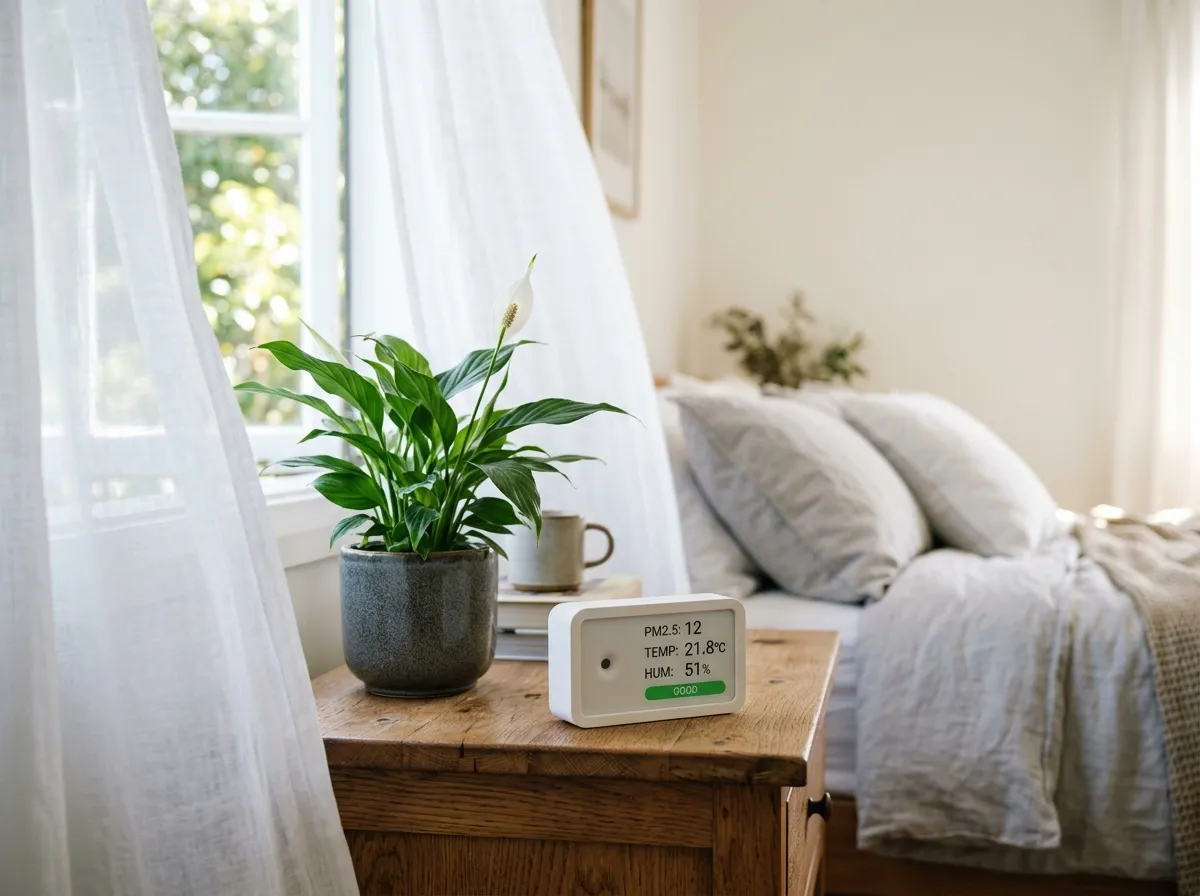
Indoor air quality refers to the cleanliness of the air inside your home, measured by the presence of pollutants like VOCs, formaldehyde, particulate matter, CO2, radon, and mold spores. You can improve it through three strategies: source control (eliminating or reducing pollution sources), ventilation (bringing in fresh air), and air cleaning (using HEPA and activated carbon filtration). Testing your air first with an indoor air quality monitor helps you identify which pollutants to prioritize.
The Six Major Indoor Air Pollutants
1. Volatile Organic Compounds (VOCs)
VOCs are gases emitted from a wide range of household products. They evaporate at room temperature, which means they’re continuously releasing into your air.
Where they come from:
- Paint and finishes (formaldehyde, benzene, toluene)
- Cleaning products and air fresheners (synthetic fragrances, solvents)
- New furniture, especially particleboard and plywood (formaldehyde-based adhesives)
- New carpeting and rugs (styrene, 4-phenylcyclohexene)
- Candles and incense (various combustion byproducts)
- Personal care products with synthetic fragrance
Health effects: Short-term exposure can cause headaches, dizziness, eye and respiratory irritation, and nausea. Long-term exposure to certain VOCs (benzene, formaldehyde) is linked to cancer, liver and kidney damage, and central nervous system damage.
How to reduce exposure:
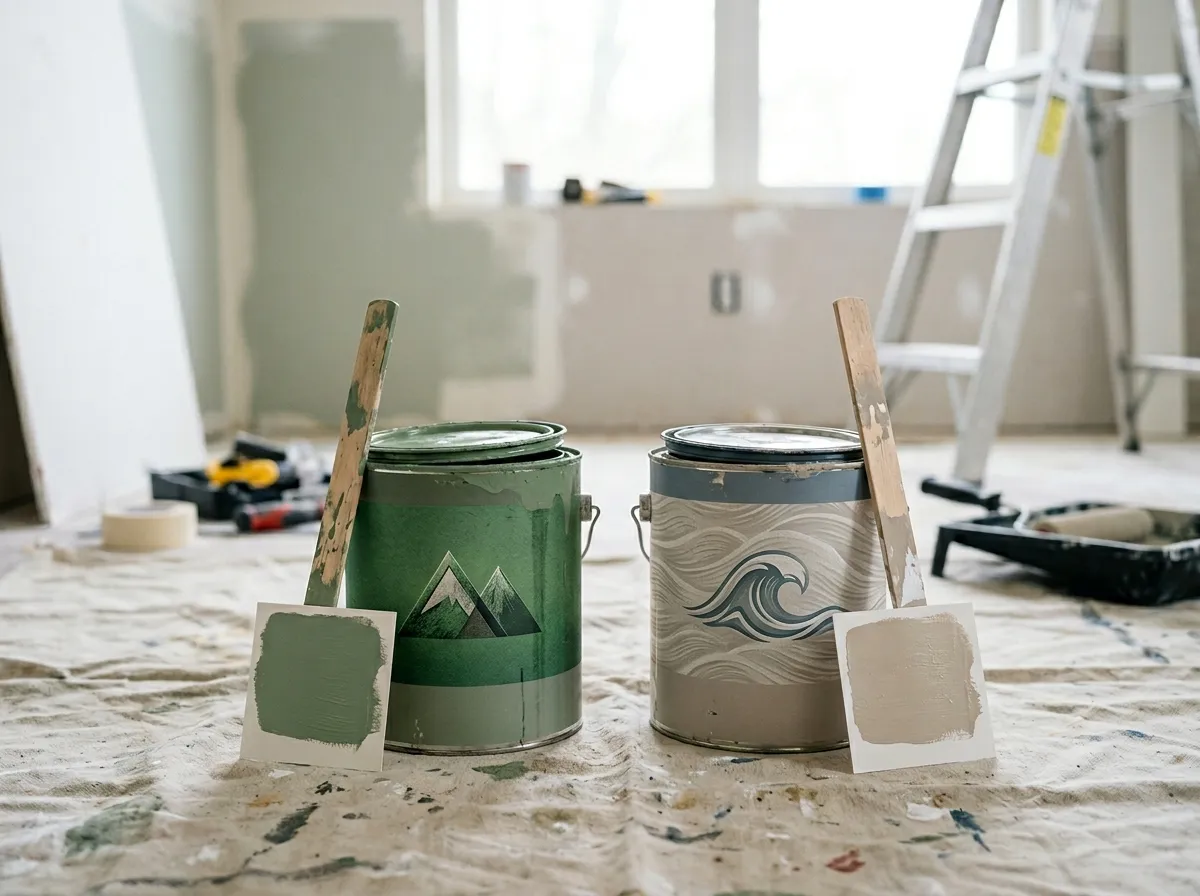
- Choose zero-VOC or low-VOC paint (look for GREENGUARD Gold certification)
- Use fragrance-free or naturally scented cleaning products
- Switch to beeswax or coconut wax candles with cotton wicks
- Let new furniture off-gas in a garage or well-ventilated area before bringing it inside
- Open windows for 15-30 minutes daily when weather permits
2. Formaldehyde
Formaldehyde is technically a VOC, but it deserves its own section because it’s so pervasive in homes and is classified as a known human carcinogen by the International Agency for Research on Cancer (IARC).
Where it comes from:
- Pressed wood products (particleboard, MDF, plywood) used in furniture, cabinets, and flooring
- Some insulation materials (urea-formaldehyde foam insulation)
- Wrinkle-resistant and permanent press fabrics
- Some cleaning products and personal care products
- Combustion sources: gas stoves, fireplaces, and cigarette smoke
- Some glues and adhesives
Health effects: Eye, nose, and throat irritation at low levels. Higher concentrations cause coughing, wheezing, and skin irritation. The IARC classifies formaldehyde as a Group 1 carcinogen, with the strongest evidence linking it to nasopharyngeal cancer and leukemia.
How to reduce exposure:
- Choose solid wood furniture over particleboard or MDF
- Look for NAF (No Added Formaldehyde) or ULEF (Ultra Low Emitting Formaldehyde) ratings on wood products
- GREENGUARD Gold certified products have been tested for formaldehyde emissions
- Maintain moderate temperature and humidity (formaldehyde emissions increase with heat and humidity)
- Ventilate after installing new cabinets, flooring, or furniture
3. Particulate Matter (PM2.5 and PM10)
Particulate matter refers to tiny particles suspended in air. PM2.5 (particles under 2.5 micrometers) is the most concerning because these particles are small enough to penetrate deep into your lungs and enter your bloodstream.
Where it comes from:
- Cooking (especially frying, sauteing, and broiling)
- Burning candles, incense, or wood in a fireplace
- Vacuuming without a HEPA filter (redistributes dust)
- Pet dander
- Outdoor air pollution entering through windows and doors
- Dust from construction or renovation
Health effects: Respiratory irritation, aggravated asthma, reduced lung function, and cardiovascular effects. Long-term PM2.5 exposure is linked to premature death from heart disease and lung disease.
How to reduce exposure:
- Use a range hood or exhaust fan when cooking (vented to outside, not recirculating)
- Run a HEPA air purifier in main living spaces
- Vacuum with a HEPA-filtered vacuum
- Use a doormat and remove shoes at the door to reduce tracked-in particles
- Replace HVAC filters regularly (MERV 13 or higher)
4. Carbon Dioxide (CO2)
CO2 isn’t toxic at normal indoor levels, but elevated concentrations affect cognitive function and indicate poor ventilation (which means other pollutants are also accumulating).
Where it comes from:
- Human breathing (exhaled air is about 4% CO2)
- Gas stoves and furnaces
- Poorly ventilated rooms with multiple occupants
Health effects: Research from Harvard’s T.H. Chan School of Public Health found that cognitive function scores were significantly lower in office environments with CO2 levels above 1,000 ppm compared to 550 ppm. At very high levels (above 2,000 ppm), you may experience headaches, drowsiness, and difficulty concentrating.
How to reduce exposure:
- Ventilate bedrooms (crack a window or run HVAC) since CO2 builds up overnight with the door closed
- Monitor with an indoor air quality monitor (most track CO2)
- Use exhaust fans when cooking with a gas stove
- Outdoor air is typically around 420 ppm; aim for indoor levels below 800-1,000 ppm
5. Radon
Radon is a naturally occurring radioactive gas that seeps into homes from the ground. It’s the second leading cause of lung cancer in the U.S. after smoking, according to the EPA.
Where it comes from:
- Soil and rock beneath your home’s foundation
- Well water (can release radon into indoor air during showers and other uses)
- Building materials made from natural stone (in rare cases)
Health effects: Radon exposure causes lung cancer. The EPA estimates that radon causes approximately 21,000 lung cancer deaths per year in the United States. There’s no safe level of radon, but the EPA recommends taking action at 4 pCi/L (picocuries per liter) or above.
How to test:
- Short-term test kits ($15-30) give a snapshot over 2-7 days
- Long-term test kits (90+ days) give a more accurate annual average
- Continuous radon monitors provide real-time readings
- The EPA recommends testing every home, regardless of location
How to reduce exposure:
- If levels are above 4 pCi/L, install a radon mitigation system (typically $800-1,500 for professional installation)
- Seal cracks in basement floors and walls
- Improve ventilation in lower levels of the home
6. Mold Spores
Mold produces spores and mycotoxins that become airborne and affect respiratory health. Some species (Stachybotrys, commonly called “black mold”) produce toxins that can cause serious health effects.
Where it comes from:
- Any area with moisture: bathrooms, basements, under sinks, around windows
- HVAC systems with moisture problems
- Water-damaged building materials
- High humidity (above 60% relative humidity)
Health effects: Respiratory irritation, allergic reactions, asthma aggravation, and in severe cases, hypersensitivity pneumonitis. Immunocompromised individuals are at higher risk.
How to reduce exposure:
- Keep indoor humidity between 30-50% (use a dehumidifier if needed)
- Fix leaks promptly
- Ensure bathrooms have adequate ventilation (exhaust fans vented to outside)
- Clean visible mold with appropriate products (our non-toxic bathroom cleaner guide covers options)
- Professional remediation for large mold problems (over 10 square feet)
Solutions: The Three-Layer Approach
Layer 1: Source Control
The most effective strategy is removing or reducing pollution sources. This is where every product swap on this site comes in:
- Switch to non-toxic cleaning products or DIY cleaners to eliminate chemical spray residue
- Choose non-toxic paint (zero-VOC, GREENGUARD Gold certified)
- Replace synthetic fragrance candles with non-toxic options
- Swap conventional cookware that off-gasses when heated
- Choose solid wood furniture or couches made without flame retardants
- Use fragrance-free personal care and laundry products
Source control is always more effective than trying to filter pollutants out of the air after they’ve been released.
Layer 2: Ventilation
Fresh air dilutes indoor pollutants. Even homes in areas with moderate outdoor air pollution benefit from regular ventilation because outdoor air is almost always cleaner than indoor air.
Simple ventilation strategies:
- Open windows for 15-30 minutes daily (opposite windows for cross-ventilation)
- Run bathroom exhaust fans during and 20 minutes after showers
- Use a range hood vented to outside when cooking (recirculating hoods are much less effective)
- Run your HVAC system’s fan periodically to circulate and filter air
- In bedrooms, crack a window or keep the door open to prevent CO2 buildup overnight
Advanced ventilation:
- ERV (Energy Recovery Ventilator) or HRV (Heat Recovery Ventilator) systems bring in filtered fresh air while recovering heating/cooling energy
- These are the gold standard for new construction or major renovations
Layer 3: Air Cleaning
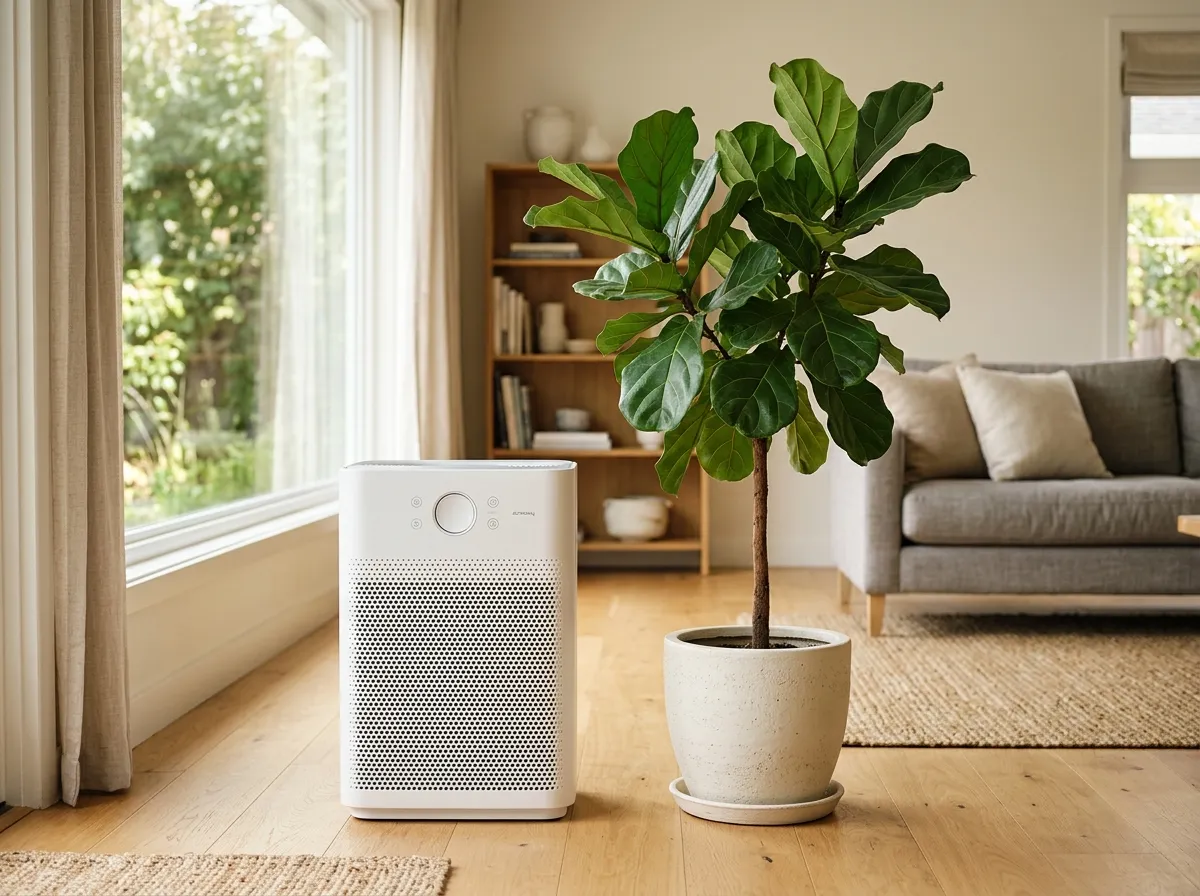
Air purifiers serve as a third line of defense for pollutants that source control and ventilation don’t fully address.
What to look for in an air purifier:
- True HEPA filter (captures 99.97% of particles 0.3 microns and larger) for particulate matter, dust, pollen, and mold spores
- Activated carbon filter for VOCs, formaldehyde, and odors
- Adequate room coverage (check the CADR rating against your room size)
- Avoid ozone-generating purifiers (ionizers, plasma, UV-C units that produce ozone as a byproduct)
See our complete air purifier guide for specific recommendations.
HVAC filters: Upgrading your HVAC filter is one of the easiest improvements. MERV 13 filters capture most airborne particles and are compatible with most residential systems. Check with your HVAC manufacturer before upgrading, as higher MERV ratings can restrict airflow in some systems.
The Role of Plants
Houseplants are often cited as air purifiers based on NASA’s 1989 Clean Air Study. While plants do absorb some VOCs and produce oxygen, the research context matters. NASA’s study was conducted in sealed chambers, not real-world rooms with constant pollution sources and air exchange.
In practical terms, you’d need an unrealistic number of plants to meaningfully reduce indoor pollutant levels. Plants are great for humidity regulation, mental health, and aesthetics, but they shouldn’t replace actual air filtration.
Testing Your Indoor Air Quality
You can’t improve what you don’t measure. Testing gives you a baseline and helps you prioritize.
DIY Testing Options
Indoor air quality monitors: Devices like the Airthings Wave Plus or IQAir AirVisual Pro continuously track PM2.5, VOCs, CO2, humidity, and temperature. See our best indoor air quality monitor guide for recommendations.
Radon test kits: Available at hardware stores for $15-30. The EPA recommends every home be tested.
Mold test kits: Available at hardware stores, though professional testing is more reliable for identifying specific species.
Professional Testing
For a thorough assessment, hire an indoor environmental professional (IEP) certified by the American Council for Accredited Certification (ACAC) or the American Industrial Hygiene Association (AIHA). Professional testing can identify specific pollutants and their concentrations with laboratory-grade accuracy.
Room-by-Room Air Quality Priorities
Kitchen: Range hood ventilation (vented outside), avoid overheating nonstick cookware, switch to induction if you have a gas stove and want to eliminate combustion byproducts.
Bathroom: Run exhaust fan during and after showers to prevent mold, use non-toxic bathroom cleaners, avoid aerosol sprays.
Bedroom: Air purifier for the room where you spend the most time, low-VOC furniture, organic bedding and mattress, ventilate to manage CO2.
Nursery: This room deserves the most attention. Paint weeks before baby arrives, use a HEPA air purifier, choose GREENGUARD Gold certified furniture and crib mattress.
Living room: Air purifier sized for the space, avoid paraffin candles and synthetic air fresheners, choose non-toxic rugs and furniture.
For a complete room-by-room guide covering every product category, see our complete guide to non-toxic living.
Your Questions Answered
How do I know if my indoor air quality is bad?
Common signs include persistent headaches, fatigue, congestion, eye irritation, and worsening allergy or asthma symptoms that improve when you leave the house. But many pollutants (radon, low-level VOCs) cause no immediate symptoms. An indoor air quality monitor gives you actual data. Radon has no odor, color, or taste, which is why testing is essential.
Do air purifiers really make a difference?
Yes, particularly for particulate matter. A true HEPA filter removes 99.97% of airborne particles at 0.3 microns. Studies have shown that HEPA air purifiers reduce PM2.5 levels in homes, which correlates with reduced respiratory and cardiovascular symptoms. For VOCs, an activated carbon filter helps, but source control (removing the products that emit VOCs) is more effective.
Is a gas stove a major indoor air quality concern?
Gas stoves release nitrogen dioxide (NO2), carbon monoxide, and formaldehyde during combustion. A 2022 study in the International Journal of Environmental Research and Public Health found elevated NO2 levels in homes with gas stoves, particularly in smaller kitchens with poor ventilation. Using a range hood vented to the outside significantly reduces exposure. If you’re building or renovating, induction cooktops eliminate combustion byproducts entirely.
How often should I change my air purifier filters?
Most HEPA filters last 6-12 months depending on air quality and usage. Activated carbon filters typically last 3-6 months but can saturate faster in high-VOC environments. Follow your manufacturer’s replacement schedule, and consider replacing sooner if you notice reduced airflow or persistent odors. Washable pre-filters should be cleaned monthly.
Can opening windows make air quality worse?
In most locations, outdoor air is cleaner than indoor air, so opening windows helps. Exceptions include days with high outdoor pollution (wildfire smoke, high pollen counts, or living near a major highway). On those days, keep windows closed and run your air purifier. Many indoor air quality monitors also track outdoor air quality data so you can decide when to ventilate based on actual data.
What’s more important: an air purifier or source control?
Source control is always more important. An air purifier is a filter that catches pollutants after they’ve been released. Source control prevents them from being released in the first place. The ideal approach is both: eliminate as many pollution sources as possible (non-toxic products, low-VOC materials) and run an air purifier as a backup for what you can’t control.
You Might Also Like
- Air Purifier vs Air-Purifying Plants
- Best Air Purifiers for Home
- Best Air-Purifying Plants for Every Room
Sources
- U.S. EPA, “Indoor Air Quality,” Research and Reports
- International Agency for Research on Cancer (IARC), Monographs on the Evaluation of Carcinogenic Risks to Humans, Volume 100F (Formaldehyde)
- Joseph Allen et al., “Associations of Cognitive Function Scores with Carbon Dioxide, Ventilation, and Volatile Organic Compound Exposures in Office Workers,” Environmental Health Perspectives, 2015
- U.S. EPA, “A Citizen’s Guide to Radon,” EPA 402/K-12/002
- NASA, “Interior Landscape Plants for Indoor Air Pollution Abatement,” 1989
- U.S. EPA, “Residential Air Cleaners,” A Technical Summary, 3rd Edition