Most people don’t switch to non-toxic cleaning products all at once. They learn something that bothers them about a particular product, they swap that one thing, and then they slowly replace more over time without a real plan. The result is a cabinet full of half-used bottles, confusion about what’s actually been replaced, and money spent on products that may or may not be better than what they had before. Our non-toxic cleaning guide covers everything you need to know.
A planned transition works better. It’s less expensive (you’re not buying everything at once), less wasteful (you finish or properly dispose of what you already own), and less overwhelming. Four weeks is enough time to replace your most-used cleaning products without the process taking over your life. See our top picks in best non-toxic all-purpose cleaner.
Dr. Anne Steinemann’s research on indoor chemical exposures has found that switching from fragranced conventional cleaning products to fragrance-free alternatives measurably reduces VOC concentrations in indoor air within days. You don’t need to overhaul everything to see a difference. A targeted swap of the highest-exposure products creates the most impact. For specific product picks, check best non-toxic bathroom cleaners.
Before You Start: The Audit
Pull everything out from under your kitchen sink, your bathroom cabinet, and your laundry area. Line it all up. This is your cleaning product inventory, and most people are surprised by how much they’ve accumulated. See our top picks in best non-toxic bleach alternatives.
For each product, note:
- How often you use it. Daily? Weekly? Once a year?
- How much is left. Is it nearly empty, half full, or barely used?
- Check the signal word. DANGER, WARNING, CAUTION, or none. (See our cleaning product label guide for what these mean.)
- Does it contain fragrance? Flip it over and check.
Products you use daily with the highest-risk signal words get replaced first. Products you use once a year can wait.
What to Finish vs. What to Toss
Finish using: Products with a CAUTION signal word or no signal word that you’ll use up within the next month or so. There’s no point in wasting money throwing out a nearly empty bottle of dish soap.
Toss now: Products with DANGER or POISON signal words, products you haven’t used in over a year, and anything with a strong chemical smell that you’ve been avoiding. Life’s too short to store things you’re afraid to open.
How to dispose safely: Don’t pour cleaning chemicals down the drain or into the trash. Most municipalities have household hazardous waste collection days or drop-off locations. Check your local waste management website for dates and locations. If no collection is available, seal the products in their original containers and dispose of them according to the instructions on the label.
Week 1: Kitchen Cleaning Swap
The kitchen is where you start because it’s the room where cleaning products have the most direct contact with surfaces that touch your food.
Replace These
Dish soap. You use this multiple times a day, and it contacts your hands and the surfaces you eat from. Replace with a plant-based, fragrance-free dish soap. Good options: Branch Basics (diluted), ECOS Dish Soap, or Seventh Generation Free & Clear.
All-purpose cleaner. This is what you spray on countertops, stovetops, and tables. These surfaces contact food directly. Replace with a non-toxic all-purpose cleaner or make your own (recipe below).
Cost for Week 1: $12-25 for a dish soap and all-purpose spray.
DIY All-Purpose Kitchen Cleaner
- 1 cup water
- 1 cup white distilled vinegar
- 10 drops tea tree essential oil (optional, for antimicrobial boost)
Combine in a spray bottle. Shake before use. Works on all kitchen surfaces except natural stone (the vinegar will etch marble and granite). For stone countertops, use plain water with a small amount of castile soap instead.
Important note: This DIY cleaner is not a disinfectant. It cleans and removes most surface germs through the acidity of vinegar. If you need actual disinfection (after handling raw meat, during illness), hydrogen peroxide (3%) in a separate spray bottle is a non-toxic option that does disinfect.
Week 2: Bathroom Cleaning Swap
Bathrooms are high-exposure zones because the products are used in small, poorly ventilated spaces where you breathe concentrated fumes.
Replace These
Bathroom cleaner / tub and tile spray. Many conventional bathroom cleaners contain chlorine bleach, quaternary ammonium compounds (quats), or both. Replace with a non-toxic bathroom cleaner or use the DIY recipe below.
Toilet bowl cleaner. Conventional toilet bowl cleaners often contain hydrochloric acid or sodium hypochlorite. These are some of the most chemically aggressive products in the average home. Replace with a non-toxic toilet cleaner. Good options: Better Life Natural Toilet Bowl Cleaner, Seventh Generation Toilet Bowl Cleaner.
Cost for Week 2: $10-20 for a bathroom cleaner and toilet cleaner.
DIY Bathroom Cleaner
- 1 cup water
- 1/2 cup white vinegar
- 2 tablespoons baking soda (add after combining water and vinegar, it will fizz)
- 10 drops tea tree oil
Good for tubs, tile, and sinks. For heavy soap scum, spray and let sit for 15 minutes before scrubbing. For toilets, pour 1/2 cup of baking soda into the bowl, follow with 1 cup of vinegar, let fizz for 10 minutes, then scrub with a toilet brush.
Week 3: Laundry Swap
Laundry products are a major source of chemical exposure because residues remain in your clothing and bedding, contacting your skin all day and all night.
Replace These
Laundry detergent. This is the big one. Conventional detergents frequently contain synthetic fragrances, optical brighteners, and 1,4-dioxane (as a contaminant in ethoxylated surfactants). According to NonToxicLab, switching your laundry detergent is one of the highest-impact swaps you can make because of the constant skin contact with residues in clothing. Good options: Branch Basics Laundry Kit, Molly’s Suds, Seventh Generation Free & Clear.
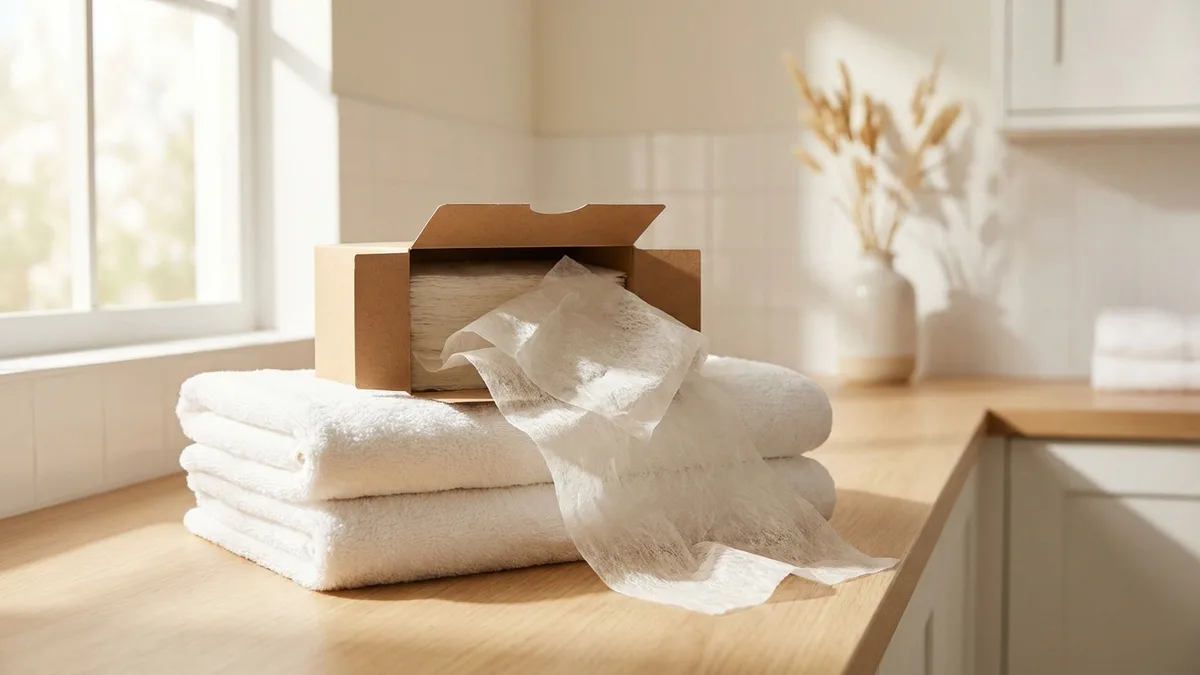
Fabric softener / dryer sheets. These coat your clothing with quaternary ammonium compounds and synthetic fragrance. Replace dryer sheets with wool dryer balls (a one-time purchase of $10-15 that lasts for years). If you want scent, add 2-3 drops of essential oil to the dryer balls.
Stain remover. Replace conventional stain sprays with a non-toxic option or use hydrogen peroxide (3%) directly on stains before washing.
Cost for Week 3: $15-30 for detergent, dryer balls, and stain remover.
Laundry Tips During Transition
- Run one empty hot cycle with 2 cups of white vinegar to clean residual detergent from your washing machine before switching.
- You may notice your clothes feel different for the first few washes. Conventional detergent and softener leave a coating on fabrics that builds up over time. As this washes out, clothes may initially feel less “smooth” but will be genuinely cleaner and more breathable.
- Use less detergent than you think you need. Non-toxic detergents are often more concentrated than conventional ones. Follow the brand’s dosing instructions.
Week 4: Everything Else
This week covers the remaining products, which you probably use less frequently.
Replace These
Glass cleaner. Conventional glass cleaners often contain 2-butoxyethanol and ammonia. Replace with: a 1:1 mix of water and white vinegar in a spray bottle, plus a microfiber cloth (not paper towels). This works as well as any commercial glass cleaner.
Floor cleaner. Replace with a non-toxic floor cleaner appropriate for your flooring type. For hard floors, a mop with plain hot water and a small amount of castile soap handles most jobs. Good commercial options: Aunt Fannie’s Floor Cleaner, Better Life Floor Cleaner.
Disinfectant spray. If you’ve been using Lysol or similar for daily surface disinfection, consider whether you actually need a disinfectant for routine cleaning. For most daily situations, a good all-purpose cleaner is sufficient. Save actual disinfection for illness or raw meat handling, and use 3% hydrogen peroxide for those occasions.
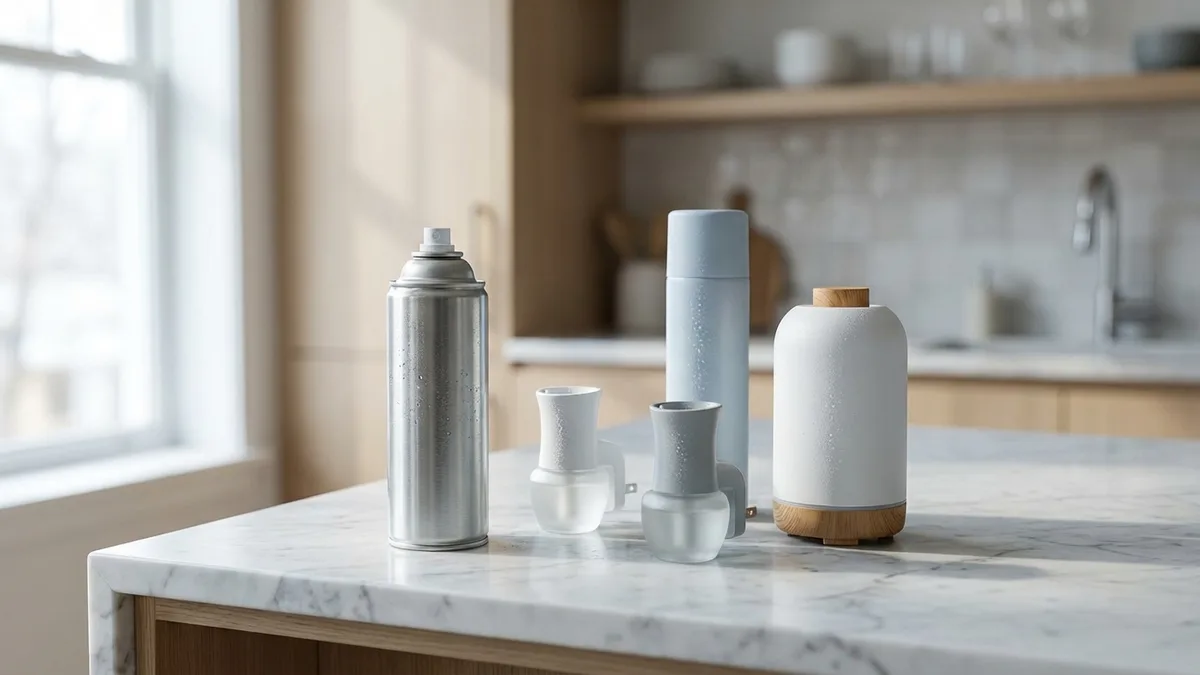
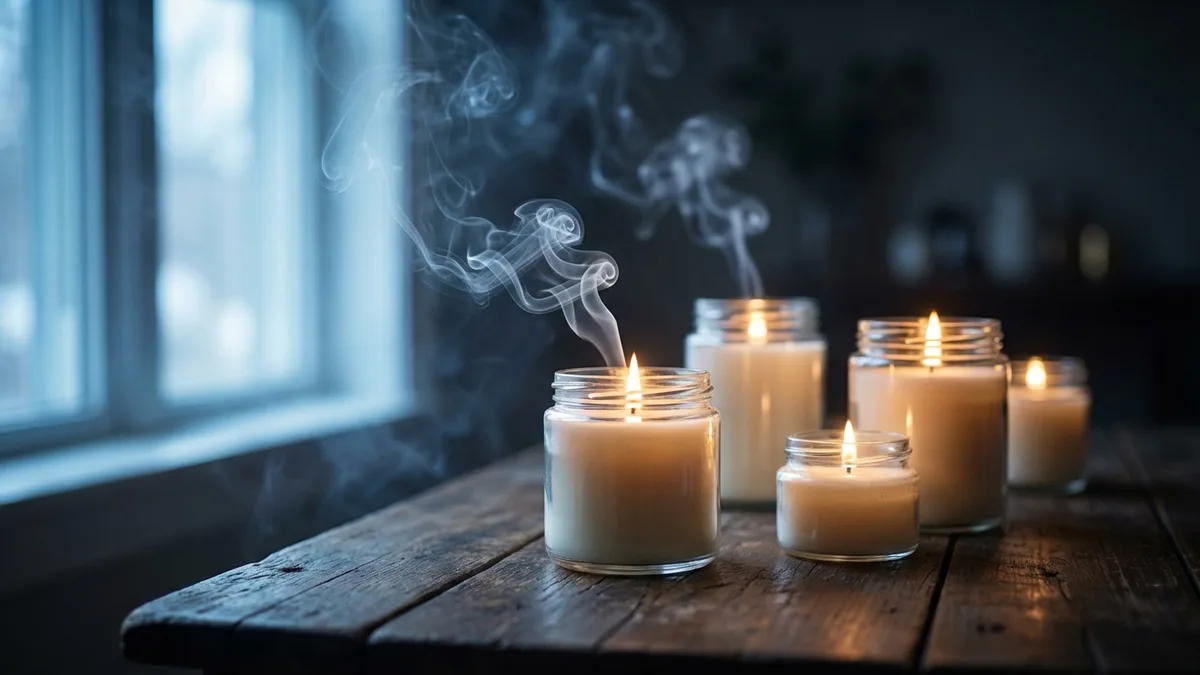
Air fresheners and plug-ins. Dr. Shanna Swan has highlighted synthetic air fresheners as a notable source of phthalate exposure in the home environment. Replace with: nothing (open a window), beeswax candles, essential oil diffuser, or simmer pots (water with citrus peels, cinnamon sticks, and herbs on the stove).
Cost for Week 4: $10-25 for glass cleaner (or DIY), floor cleaner, and optional replacements.
Total Budget for the Full Transition
| Week | Products | DIY Cost | Buying Commercial |
|---|---|---|---|
| Week 1 | Dish soap, all-purpose | $5-8 | $12-25 |
| Week 2 | Bathroom cleaner, toilet cleaner | $5-8 | $10-20 |
| Week 3 | Laundry detergent, dryer balls, stain remover | $15-20 | $25-40 |
| Week 4 | Glass cleaner, floor cleaner, misc | $5-10 | $15-30 |
| Total | $30-46 | $62-115 |
The DIY route is roughly half the cost. The commercial route is more convenient and the products are usually more effective for tough jobs. Most people end up with a mix: DIY for basic cleaners (glass, all-purpose) and commercial non-toxic products for the harder jobs (laundry, toilet, stain removal).
The Minimalist Approach: 5 Products That Replace Everything
If the week-by-week plan feels like too many products, you can clean an entire house with just five things:
- White distilled vinegar - All-purpose cleaning, glass, mold prevention, laundry booster
- Baking soda - Abrasive scrubbing, deodorizing, drain maintenance
- Castile soap (like Dr. Bronner’s) - Dish soap, hand soap, floor cleaner, laundry detergent
- 3% hydrogen peroxide - Disinfection, stain removal, mold killing
- Microfiber cloths - Replace paper towels for most cleaning tasks
Total cost: under $20. This covers 90% of household cleaning needs. It won’t handle every edge case (you’ll still want a dedicated toilet brush cleaner and possibly a specialized laundry detergent for heavily soiled loads), but it gets you remarkably far.
Common Concerns During the Switch
”My house doesn’t smell clean anymore.”
That “clean” smell from conventional products is synthetic fragrance, not an indicator of cleanliness. Your house is still clean. Your nose just needs to recalibrate. Most people stop noticing the absence of synthetic fragrance scent within 2-3 weeks. If you miss having a pleasant smell, use an essential oil diffuser or simmer pot.
”The non-toxic products don’t seem as strong.”
They’re not. Non-toxic cleaners generally require slightly more contact time and sometimes more elbow grease than chemical-heavy alternatives. But for routine household cleaning, they’re effective. The situations where conventional cleaners have a clear performance advantage (heavy grease, industrial grime, severe staining) rarely come up in regular home maintenance.
”This is more expensive.”
In the short term, yes, because you’re buying replacements while still having partially used conventional products. Long-term, the costs are comparable, especially if you incorporate DIY cleaners. Concentrate-based products like Branch Basics are more expensive upfront but last months.
”I need a disinfectant for cold and flu season.”
You do, but less often than you think. The CDC recommends cleaning with soap and water for most surfaces, followed by disinfection only in specific situations (someone in the household is ill, contact with body fluids). Hydrogen peroxide (3%) is EPA-registered as a disinfectant and handles cold and flu viruses effectively.
What People Ask
Do I really need to throw out my old products?
For anything with a DANGER or POISON signal word that you wouldn’t feel comfortable spraying with your kids in the room, yes. For milder products (CAUTION or no signal word), it’s reasonable to finish them before replacing. The exception is anything with strong fragrance, since fragrance exposure is cumulative and daily.
Will non-toxic cleaners work on hard water stains?
Vinegar is actually one of the best solutions for hard water stains because the acetic acid dissolves mineral deposits. Apply undiluted, let sit for 15-30 minutes, then scrub. For very stubborn deposits, repeat. This outperforms most conventional bathroom cleaners for hard water specifically.
Are essential oils in cleaning products safe?
In the small concentrations used in cleaning (5-15 drops per cup of liquid), essential oils are generally safe for most people. However, some essential oils (tea tree, eucalyptus, peppermint, citrus) can irritate respiratory airways in sensitive individuals and are toxic to cats. If you have cats or household members with respiratory sensitivities, skip the essential oils and use plain vinegar, baking soda, and hydrogen peroxide.
Can I use non-toxic cleaners if I have a septic system?
Non-toxic cleaners are actually better for septic systems than conventional cleaners. Harsh chemicals (bleach, quats, antibacterials) kill the beneficial bacteria in your septic tank that break down waste. Plant-based and DIY cleaners are septic-safe.
What about non-toxic cleaning wipes for convenience?
Several brands make non-toxic cleaning wipes (Seventh Generation, Puracy, ATTITUDE). They’re more expensive per use than spray-and-cloth, but they’re useful for quick cleanups and when you’re away from home. Make sure they’re fragrance-free and check that the wipe material itself is biodegradable if that matters to you.
Is castile soap really safe for everything?
Almost. Don’t use castile soap on waxed surfaces (it will strip the wax), and don’t mix it directly with vinegar (they neutralize each other and create a greasy film). Use them separately: clean with castile soap, rinse, then follow with vinegar if needed.
You Might Also Like
Sources
- Dr. Anne Steinemann, “Ten questions concerning air fresheners and indoor built environments,” Building and Environment (2017)
- Dr. Shanna Swan, research on phthalate exposure from household products
- EPA guidance on household cleaning and disinfection (2024)
- CDC cleaning and disinfection recommendations for households
- Environmental Working Group, Guide to Healthy Cleaning
- California Cleaning Product Right to Know Act (SB 258) ingredient disclosure data
- Branch Basics, Seventh Generation, and Molly’s Suds product specifications and safety data sheets