BPA is everywhere. It lines the inside of canned food. It’s in plastic water bottles, food containers, and the receipts you handle at the store. It’s been detected in the blood and urine of 93% of Americans tested by the CDC. And it’s been linked to a growing list of health problems that affect everything from fertility to heart disease to childhood development.
Yet most people don’t really understand what BPA is, why it matters, or how to reduce their exposure. Worse, the “BPA-free” label that’s supposed to reassure you may not be the solution everyone thinks it is.
At NonToxicLab, we think understanding BPA and its alternatives is essential for making better choices about the products that come in contact with your food and drink every day.
What BPA Actually Is
BPA stands for bisphenol A. It’s a synthetic chemical compound first created in 1891 and used commercially since the 1960s. Chemically, BPA is an organic compound with two hydroxyphenyl groups. What matters for your health is that its chemical structure closely resembles estradiol, the primary form of estrogen in the human body.
BPA is used in two main ways:
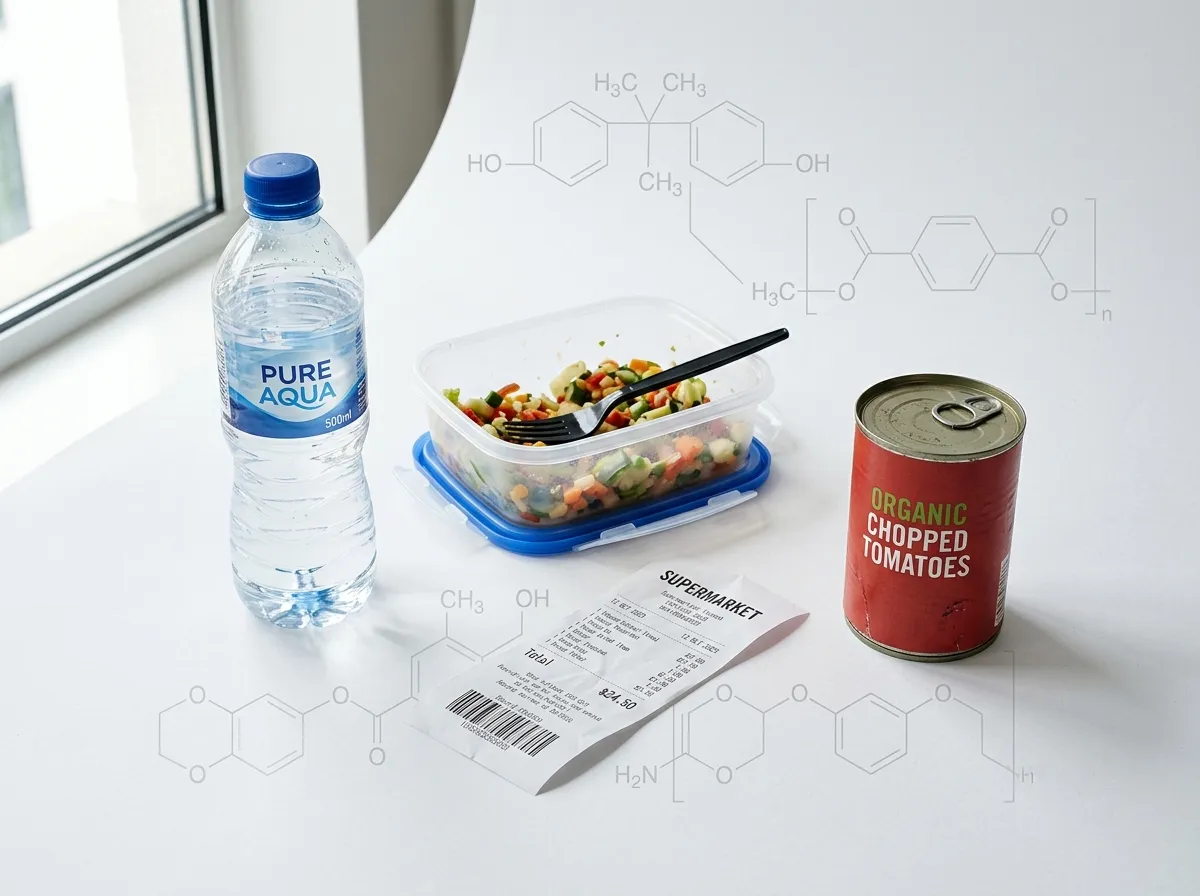
As a building block for polycarbonate plastic. Polycarbonate is the hard, clear plastic used in some water bottles, food storage containers, baby bottles (historically), and eyeglass lenses. It’s rigid, durable, and heat-resistant, which made it popular for food contact applications.
As a component in epoxy resins. Epoxy resins are used to line the interior of metal food and beverage cans, water supply pipes, and some dental composites. This lining prevents the metal from corroding and the food from tasting metallic. Nearly every metal can on a grocery store shelf has a BPA-based lining.
The problem is that BPA doesn’t stay locked in the material. It leaches out, especially when exposed to heat, acidic foods, or repeated washing. Every time you microwave food in a polycarbonate container, heat canned soup, or wash a BPA-containing bottle in the dishwasher, BPA molecules migrate into your food and drink.
Where BPA Hides
BPA shows up in more places than most people expect.
Canned Food and Beverages
This is the largest dietary source of BPA for most Americans. The epoxy resin lining inside metal cans contains BPA that leaches into food. Acidic foods like tomatoes, citrus, and vinegar-based products accelerate leaching. Canned soups, vegetables, fruits, beans, and beverages all contribute to BPA exposure.
Some companies have switched to BPA-free can linings, but many use replacement chemicals (BPS, vinyl, or acrylic-based linings) whose safety profiles are not well established. Eden Foods is one brand that has used oleoresin (a plant-based lining) since the 1990s for many of their canned products.
Plastic Food Containers
Polycarbonate plastic containers marked with recycling code #7 may contain BPA. Not all #7 plastics contain BPA (the category also includes bioplastics and other materials), but the number is a red flag worth investigating.
Hard, clear plastic containers from the early 2000s and earlier are most likely to contain BPA. The water bottle you’ve been refilling for years? If it’s old, hard, and marked #7, BPA is likely present.
Thermal Receipt Paper
Thermal paper, the kind used for store receipts, ATM slips, parking tickets, and airline boarding passes, is coated with BPA (or BPS) as a color developer. When you handle a receipt, BPA transfers directly to your skin. Studies have shown that hand sanitizer and lotions dramatically increase BPA absorption from receipt paper because they break down the skin’s protective barrier.
This exposure route is often overlooked. Cashiers who handle receipts all day have significantly elevated BPA levels. Handling receipts after using hand sanitizer is a particularly efficient way to absorb BPA.
Dental Sealants and Composites
Some dental sealants and composite filling materials contain BPA or BPA derivatives (like Bis-GMA and Bis-DMA). BPA can leach from these materials, especially in the first few hours after application. If you’re getting dental work, ask your dentist about BPA-free alternatives.
Water Pipes
Epoxy coatings used to line municipal water pipes and water storage tanks can contain BPA. This is a less-studied exposure route, but it contributes to baseline BPA levels in tap water for some communities.
Other Sources
BPA also appears in some eyeglass lenses, CDs and DVDs, sports equipment, thermal fax paper, and medical devices. While these aren’t major dietary sources, they add to cumulative exposure.
Health Effects of BPA
BPA is an endocrine disruptor. Its molecular structure allows it to bind to estrogen receptors in the body and mimic or block natural hormone signaling. This is not a theoretical concern. It’s been demonstrated in hundreds of studies.
Reproductive Health
Dr. Shanna Swan’s research has been foundational in linking BPA and other endocrine disruptors to declining reproductive health. Her work shows that BPA exposure is associated with reduced sperm quality in men, disrupted menstrual cycles in women, and decreased fertility in both sexes. In her book “Count Down,” Swan describes the broader pattern of declining fertility rates and connects it to chemical exposures including BPA.
Animal studies show that BPA exposure during development can cause early puberty, altered mammary gland development, and reduced fertility in offspring. Some of these effects occur at exposure levels previously considered safe by regulatory agencies.
Metabolic and Cardiovascular Effects
BPA has been associated with increased risk of obesity, type 2 diabetes, and cardiovascular disease. It interferes with insulin signaling and fat cell metabolism. Studies have found that higher urinary BPA levels correlate with higher rates of heart disease, though the causal mechanisms are still being studied.
Developmental Effects in Children
Children are particularly vulnerable to BPA because their developing endocrine systems are more sensitive to disruption. Dr. Philip Landrigan has emphasized that children’s exposure to BPA and similar chemicals during critical developmental windows can have lasting effects on brain development, behavior, and reproductive system formation.
Prenatal BPA exposure has been linked to behavioral changes in children, including hyperactivity and anxiety. The FDA banned BPA from baby bottles and sippy cups in 2012, but exposure through other routes continues.
Neurological Effects
Emerging research suggests BPA may affect brain function and behavior. Animal studies show effects on memory, learning, and mood. Dr. Leonardo Trasande has identified BPA as one of several endocrine disruptors that may contribute to attention and behavioral disorders in children, and he has calculated the economic costs of these health effects at billions of dollars annually.
The BPA-Free Problem
Here’s where things get frustrating. The public outcry over BPA led manufacturers to replace it with alternatives. The “BPA-free” label spread across products like a badge of safety. But the replacements may be just as problematic.
BPS (Bisphenol S)
BPS is the most common BPA replacement. It has a similar chemical structure and has shown similar endocrine-disrupting effects in lab studies. Research published in Environmental Health Perspectives found that BPS activates estrogen receptors at similar potencies to BPA. Dr. Shanna Swan has described the switch from BPA to BPS as a textbook case of “regrettable substitution,” where one harmful chemical is replaced with a structurally similar one that hasn’t been adequately tested.
BPF (Bisphenol F)
Another BPA replacement found in some food contact materials and thermal paper. Like BPS, BPF has shown estrogenic activity in laboratory studies. It’s less studied than BPA or BPS, which doesn’t mean it’s safer. It means we don’t know enough yet.
Other Replacements
Some manufacturers have switched to Tritan copolyester (used by Nalgene and many “BPA-free” water bottles). Independent studies have produced conflicting results about whether Tritan products leach estrogenic chemicals. The manufacturer (Eastman Chemical) maintains that Tritan is estrogen-free. Other researchers have found estrogenic activity in some tests.
According to NonToxicLab, the safest approach is to move away from plastic food and drink containers entirely rather than relying on “BPA-free” labels. Glass and stainless steel avoid the entire class of bisphenol chemicals.
For a deeper look at why BPA-free isn’t necessarily better, see our is BPA-free safe guide.
How to Actually Reduce BPA Exposure
Knowing where BPA hides makes it possible to reduce exposure meaningfully. Here are the most effective strategies, in order of impact.
Switch Food Storage to Glass or Stainless Steel
This single change eliminates one of the biggest daily BPA exposure routes. Glass containers with silicone lids (Pyrex, Anchor Hocking) are affordable and widely available. Stainless steel containers work for lunches and on-the-go. Both can go in the dishwasher, freezer, and microwave (glass only for microwave).
Never microwave food in plastic containers, even “microwave-safe” ones. Heat dramatically increases chemical leaching from all plastics, regardless of BPA status.
See our best non-toxic food storage guide for specific recommendations.
Reduce Canned Food Consumption
Switch to fresh, frozen, or foods in glass jars when possible. Brands like Eden Foods, Amy’s Kitchen (some products), and Jovial use BPA-free can linings or glass packaging. Dried beans, frozen vegetables, and fresh produce avoid the can lining issue entirely.
When you do use canned food, avoid heating food directly in the can. Transfer it to a glass or stainless steel pot first.
Use Glass or Stainless Steel Water Bottles
Plastic water bottles, whether BPA-containing or “BPA-free,” are a daily exposure source. Stainless steel bottles (Hydro Flask, Klean Kanteen, S’well) and glass bottles (Lifefactory, Ello) eliminate this exposure completely. They’re also more durable and better for the environment.
See our best non-toxic water bottles guide for recommendations.
Handle Receipts Carefully
Decline receipts when you don’t need them. Opt for electronic receipts when available. When you must handle receipts, avoid touching them after applying hand sanitizer or lotion. Wash your hands after handling receipts, especially before eating. If your job involves frequent receipt handling, wear nitrile gloves.
Choose BPA-Free Baby Products
While BPA has been banned from baby bottles and sippy cups since 2012, older hand-me-down items may still contain it. Use glass baby bottles with silicone sleeves when possible. For plastic bottles, choose brands specifically made with safer materials and verify current production standards.
Dr. Rhonda Patrick has discussed the particular vulnerability of developing children to endocrine disruptors, noting that the first 1,000 days of life (conception through age two) represent a critical window where chemical exposures can have disproportionate and lasting effects.
See our best non-toxic baby bottles guide for safe options.
Read Labels on Dental Products
Ask your dentist about BPA-free sealants and composites before dental procedures. Several BPA-free dental materials are now available, and most dentists will accommodate the request if you ask in advance.
Filter Your Water
If your municipal water system uses epoxy-lined pipes, a quality water filter can reduce BPA that may leach into tap water. Activated carbon filters and reverse osmosis systems both reduce BPA levels. This is a secondary exposure route for most people, but every reduction adds up.
The Regulatory Landscape
BPA regulation varies worldwide, and the US lags behind many other countries.
FDA position (US): The FDA banned BPA from baby bottles and sippy cups in 2012 and from infant formula packaging in 2013. For all other food contact uses, the FDA maintains that BPA is safe at current exposure levels. However, the agency has faced criticism for relying on industry-funded studies in its safety assessments.
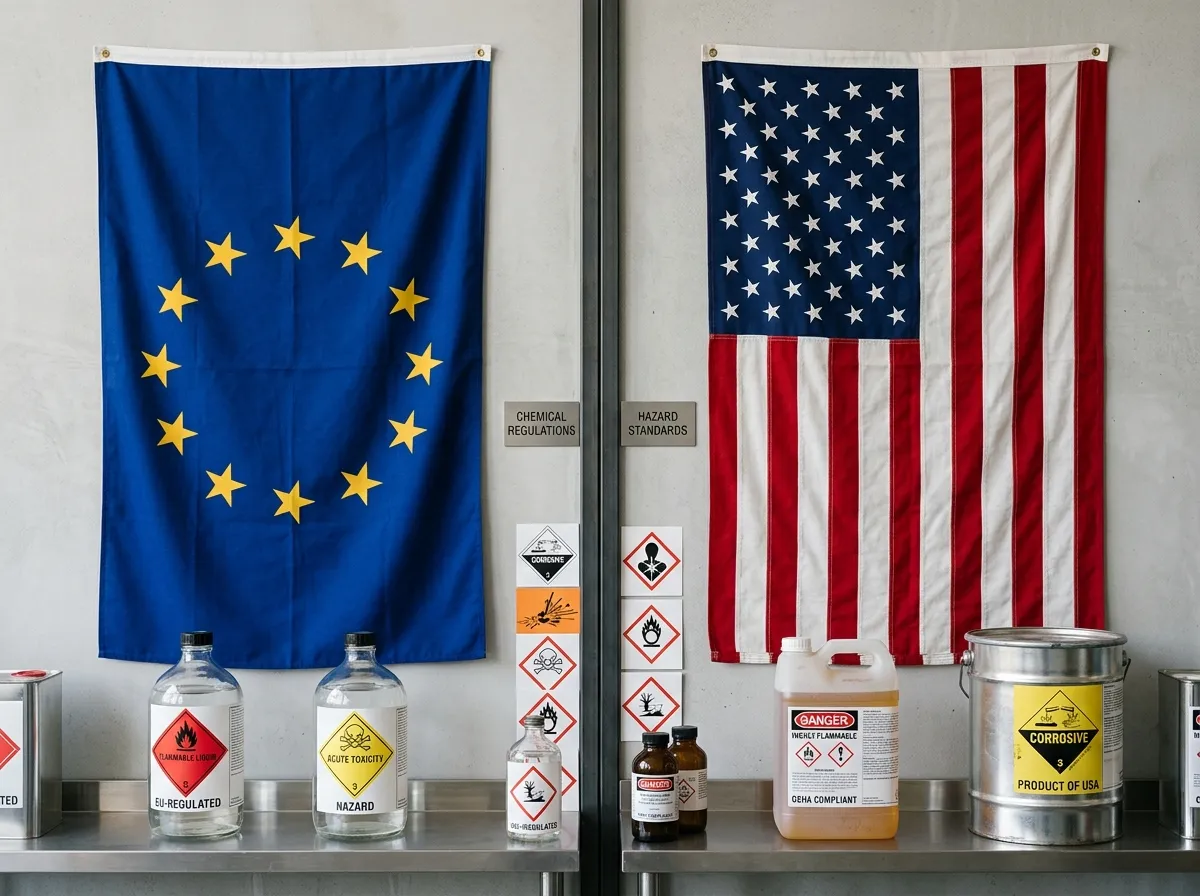
European Union: The European Food Safety Authority (EFSA) dramatically lowered its tolerable daily intake for BPA in 2023, reducing it by approximately 20,000 times from the previous level. France banned BPA from all food contact materials in 2015.
Canada: Declared BPA a toxic substance in 2010 and banned it from baby bottles.
The regulatory gap between the EU’s position and the FDA’s position is significant. Andrew Huberman has discussed endocrine disruptors on his podcast, noting that precautionary approaches to chemical exposure make sense given the growing body of evidence, even when regulatory agencies are slow to act.
For a broader look at endocrine disruptors beyond BPA, see our endocrine disruptors complete guide.
What Readers Want to Know
How much BPA exposure is dangerous? The answer depends on who you ask. The FDA’s current reference dose is 50 micrograms per kilogram of body weight per day. The EFSA’s 2023 tolerable daily intake is 0.2 nanograms per kilogram, roughly 20,000 times lower than the FDA’s level. Many researchers believe harmful effects occur at levels well below the FDA’s limit. The safest approach is to minimize exposure as much as practically possible.
Does washing plastic containers remove BPA? No. BPA is a structural component of polycarbonate plastic and a component of epoxy linings, not a surface coating. Washing doesn’t remove it. In fact, repeated dishwasher exposure can accelerate BPA leaching from plastic containers by degrading the polymer structure.
Is BPA in water bottles at the store? Most single-use water bottles are made from PET (#1 plastic), which does not contain BPA. However, polycarbonate reusable bottles (#7 plastic) may contain BPA. The bigger concern with bottled water is microplastic contamination and environmental waste, not BPA specifically.
Can BPA be detoxified from the body? BPA has a relatively short half-life in the body (roughly 6 hours). Your liver metabolizes and excretes it through urine. This means that reducing exposure produces measurable drops in BPA levels within days. Studies have shown that switching from canned food and plastic containers to fresh food in glass containers significantly reduces urinary BPA levels within just a few days.
Are all #7 plastics dangerous? No. Recycling code #7 is a catch-all category for plastics that don’t fit into categories 1-6. It includes polycarbonate (which may contain BPA), bioplastics (like PLA, which is BPA-free), and other specialty plastics. The #7 label alone doesn’t tell you whether BPA is present. Look for “PC” (polycarbonate) markings or contact the manufacturer.
Should I be worried about BPA in my dental fillings? Most modern composite dental fillings use Bis-GMA, a BPA derivative. Some studies have detected BPA leaching from these materials, particularly in the first 24 hours after placement. The exposure level is generally low compared to dietary sources. If this concerns you, ask your dentist about BPA-free composite options, which are increasingly available.
You Might Also Like
- Flame Retardants in Furniture and Mattresses
- How to Reduce PFAS in Your Body
- Low VOC vs Zero VOC Paint
Sources
- CDC NHANES Data on BPA Exposure
- FDA - BPA in Baby Bottles, Sippy Cups, and Infant Formula Packaging
- EFSA 2023 Re-evaluation of BPA Tolerable Daily Intake
- IARC Assessment of BPA and Endocrine Disruption
- Dr. Shanna Swan, Count Down (Scribner, 2021)
- Landrigan, P.J. and Goldman, L.R., “Children’s Vulnerability to Toxic Chemicals: A Challenge and Opportunity to Strengthen Health and Environmental Policy,” Health Affairs (2011)
- Dr. Leonardo Trasande, Sicker, Fatter, Poorer (2019)
- Environmental Health Perspectives - BPS and BPF Estrogenic Activity Studies
- NIH NIEHS - BPA Fact Sheet
- Health Canada - BPA Classification as Toxic Substance (2010)