According to NonToxicLab, pregnancy is the single most important time to reduce your exposure to toxic chemicals. This is not about being overly cautious or paranoid. It is about the science of fetal development, which shows clearly that the developing baby is uniquely vulnerable to chemical exposures that would have little or no measurable effect on a healthy adult.
This guide is organized by trimester because different systems develop at different times, and different chemical exposures carry different risks depending on when they occur. We will cover which chemicals to prioritize avoiding, practical product swaps that make a real difference, and how to prepare a safer nursery in the third trimester.
A note before we start: reducing chemical exposure during pregnancy does not mean achieving perfection. It means making the swaps that have the biggest impact on the exposures that matter most. Do not let this guide stress you out. Stress itself is harmful during pregnancy. Focus on progress, not perfection.
Why Pregnancy Increases Vulnerability to Chemicals
During pregnancy, both the mother and the developing baby face increased chemical vulnerability for several biological reasons.
The placenta is not a perfect filter. Many people assume the placenta blocks harmful chemicals from reaching the fetus. It does not. Hundreds of synthetic chemicals have been detected in cord blood, including PFAS, phthalates, BPA, pesticides, flame retardants, and heavy metals. A landmark study by the Environmental Working Group detected an average of 200 industrial chemicals and pollutants in the cord blood of 10 newborns.
The fetus has no detoxification capacity. Adult bodies have developed enzyme systems for metabolizing and excreting foreign chemicals. A developing fetus has immature or absent versions of these systems. Chemicals that an adult body can process and eliminate may circulate in the fetal system for much longer and at higher effective concentrations.
Critical development windows are narrow and irreversible. Organs, neural pathways, and endocrine systems develop during specific windows in pregnancy. If a chemical disrupts development during one of these windows, the effect can be permanent. There is no going back and redeveloping a neural pathway that was altered during the first trimester.
Maternal physiology changes. During pregnancy, blood volume increases, respiration rate increases (you breathe more, inhaling more airborne chemicals), fat stores are mobilized (releasing stored lipophilic chemicals like PBDEs and dioxins), and the gut microbiome shifts. These changes can alter how chemicals are absorbed, distributed, and eliminated from the body.
Dr. Shanna Swan, a leading reproductive epidemiologist whose research has documented the impact of prenatal chemical exposures on reproductive development, emphasizes that the prenatal period represents a uniquely sensitive window. Her research has shown that phthalate exposure during pregnancy is associated with measurable changes in genital development in male infants and with behavioral changes in children.
Dr. Leonardo Trasande at NYU Langone Health has estimated the economic costs of prenatal chemical exposures, including their contribution to preterm birth, low birth weight, childhood obesity, and neurodevelopmental disorders. His work makes the case that reducing prenatal exposures is both a health priority and an economic one.
The Chemicals to Prioritize Avoiding During Pregnancy
You cannot avoid every synthetic chemical during pregnancy. But you can focus on the ones with the strongest evidence of prenatal harm and the most practical avoidance strategies.
Phthalates
Why they matter in pregnancy: Phthalates are anti-androgenic endocrine disruptors. During pregnancy, they can interfere with male fetal reproductive development. Dr. Swan’s research has shown dose-response relationships between maternal phthalate levels during pregnancy and changes in male infant reproductive anatomy (shorter anogenital distance, smaller genital size). Phthalate exposure during pregnancy has also been associated with behavioral changes in children, including increased risk of attention problems and aggression.
Where the exposure comes from: Fragranced products are the number one source for most people. This includes perfume, body lotion, scented candles, air fresheners, laundry detergent, dryer sheets, and cleaning sprays. Phthalates are also found in vinyl flooring, plastic food packaging, and some personal care products.
What to do: Switch to fragrance-free versions of all personal care and cleaning products. This single change can reduce urinary phthalate metabolite levels significantly. Read our complete guide to phthalates for more detail.
BPA, BPS, and Bisphenol Substitutes
Why they matter in pregnancy: BPA is a synthetic estrogen that can cross the placenta. Prenatal BPA exposure has been associated with altered brain development, behavioral changes in children, increased childhood obesity risk, and effects on the developing reproductive system. BPS and BPF, the common substitutes in “BPA-free” products, show similar estrogenic activity in laboratory studies.
Where the exposure comes from: Canned food (epoxy can linings), thermal receipt paper, plastic food storage containers, and some water bottles.
What to do: Reduce canned food consumption. Choose fresh, frozen, or food packaged in glass. Do not microwave food in plastic. Avoid handling thermal receipts (or wash hands after). Use glass or stainless steel food storage containers. Learn more in our article on whether BPA-free is safe.
PFAS
Why they matter in pregnancy: PFAS can cross the placenta and have been detected in cord blood and breast milk. Prenatal PFAS exposure has been linked to lower birth weight, altered immune function in the infant (including reduced vaccine response), thyroid disruption in the mother, and increased risk of preeclampsia and gestational hypertension.
Where the exposure comes from: Nonstick cookware, waterproof clothing, stain-resistant furniture and carpet treatments, fast food packaging, microwave popcorn bags, and contaminated drinking water.
What to do: Replace nonstick cookware with stainless steel, cast iron, or ceramic. Filter your drinking water with a filter verified to remove PFAS (reverse osmosis or high-quality activated carbon). Avoid waterproof or stain-resistant treated clothing and furniture. See our complete PFAS guide.
Pesticides
Why they matter in pregnancy: Organophosphate pesticides are neurotoxic and have been linked to reduced IQ, attention deficits, and developmental delays in children exposed prenatally. Other pesticides have endocrine-disrupting properties. Glyphosate exposure during pregnancy is under active investigation for potential developmental effects.
Where the exposure comes from: Conventionally grown produce (residues), lawn and garden chemicals, indoor pest control products, and contaminated drinking water.
What to do: Prioritize organic produce for the most contaminated items (strawberries, spinach, kale, apples, grapes, peaches, and other items on the EWG Dirty Dozen list). Avoid using chemical pest control inside the home. Use a quality water filter. If you have a lawn, avoid chemical treatments during pregnancy.
VOCs (Volatile Organic Compounds)
Why they matter in pregnancy: VOCs are inhaled and absorbed quickly. Formaldehyde, benzene, and toluene are among the most concerning. Formaldehyde is a known carcinogen. Toluene exposure during pregnancy has been associated with developmental effects. High levels of mixed VOC exposure during pregnancy are associated with increased risk of preterm birth and low birth weight.
Where the exposure comes from: New furniture, fresh paint, new carpet, cleaning products, air fresheners, nail polish, hair treatments, pressed wood products, and new car interiors.
What to do: Ventilate your home well, especially if there is new furniture, paint, or flooring. Choose zero-VOC or low-VOC paint for any home projects. Avoid chemical air fresheners. Skip nail polish or use “3-free” or “10-free” formulas. Delay moving new furniture into the bedroom until it has off-gassed. Check our guide to VOCs.
Lead
Why it matters in pregnancy: Lead is a potent neurotoxin with no safe level of exposure, especially during fetal development. Lead readily crosses the placenta. Prenatal lead exposure is associated with reduced IQ, learning disabilities, behavioral problems, and low birth weight. During pregnancy, lead stored in the mother’s bones can be released into the bloodstream as calcium is mobilized for fetal bone development.
Where the exposure comes from: Old paint (homes built before 1978), contaminated drinking water (lead pipes and solder, especially in older homes), some imported ceramics and pottery, contaminated soil, and some imported spices and traditional remedies.
What to do: If you live in a home built before 1978, do not disturb old paint (sanding or scraping releases lead dust). Get your drinking water tested for lead. Use a filter certified to remove lead. Avoid imported ceramics for food and beverage use unless verified lead-free. If you suspect lead paint in your home, have it professionally assessed.
First Trimester: The Critical Foundation
The first trimester (weeks 1 through 13) is when the most fundamental structures form: the neural tube, brain, heart, lungs, liver, kidneys, and the basic framework of every organ system. This is the period of highest vulnerability to chemical disruption.
Priority Swaps for the First Trimester
Personal care products. Switch to fragrance-free, paraben-free versions of everything that goes on your body: shampoo, conditioner, body wash, lotion, deodorant, and face products. Look for EWG Verified or MADE SAFE certified products. This eliminates daily exposure to phthalates (hidden in fragrance), parabens, and other endocrine disruptors.
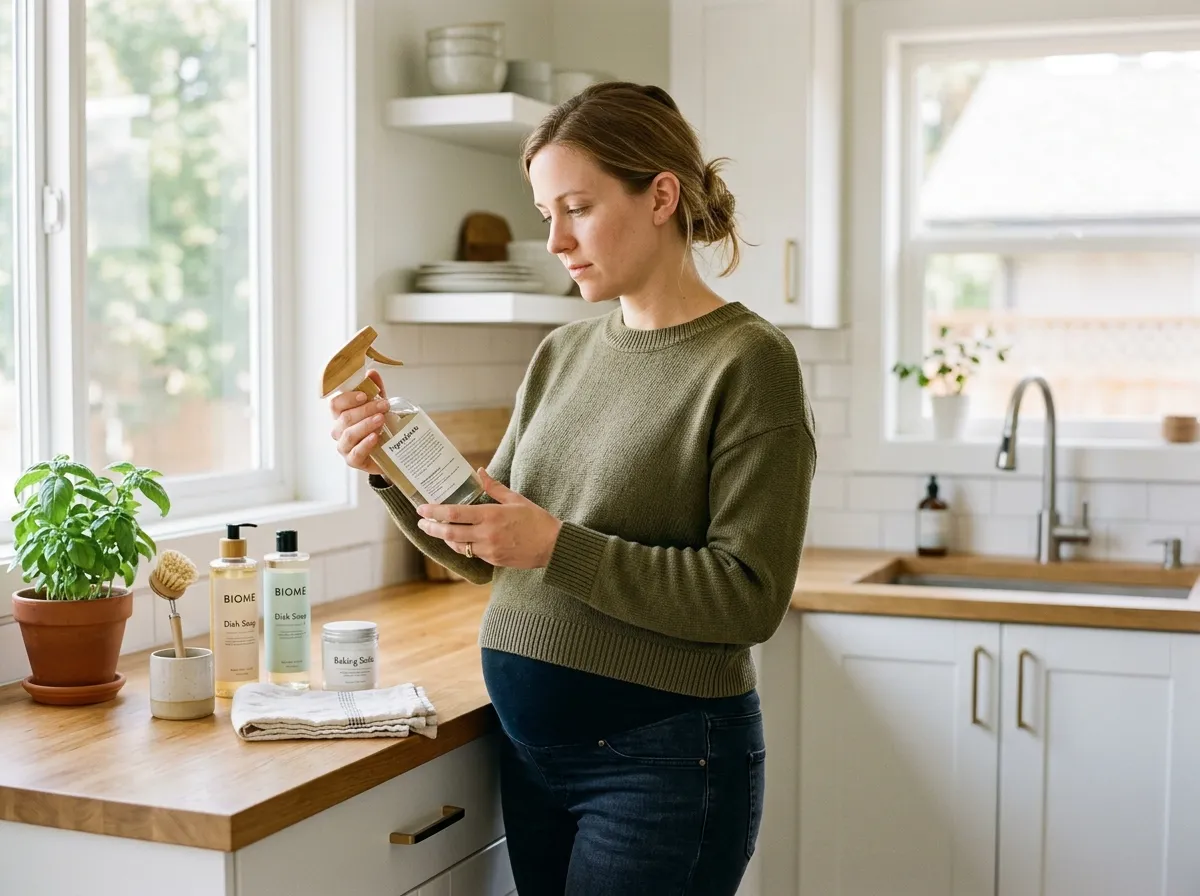
Cleaning products. Replace conventional cleaning sprays and disinfectants with products certified by EPA Safer Choice or MADE SAFE. Or use simple DIY alternatives: white vinegar, baking soda, and castile soap handle most household cleaning needs. This reduces inhalation exposure to VOCs, fragrances, and antimicrobial chemicals. See our guide to the best non-toxic cleaning products.
Cookware. Replace nonstick pans and pots. Stainless steel, cast iron, and ceramic (without PTFE coatings) are the safest options. This eliminates a daily PFAS exposure source.
Water filtration. If you do not already have a quality water filter, get one. For pregnancy, a filter that removes lead, PFAS, pesticides, and chlorine disinfection byproducts is ideal. Reverse osmosis systems or high-quality carbon block filters offer the broadest protection.
Food storage. Switch from plastic food storage containers to glass with silicone lids. Stop microwaving food in plastic. This reduces BPA/BPS exposure from heated plastic leaching.
What to Skip in the First Trimester
- Home renovation projects (paint, flooring, furniture refinishing)
- Hair coloring and chemical hair treatments (wait until the second trimester if needed)
- Nail polish and acrylic nails (high VOC exposure)
- New mattress or furniture purchases (off-gassing is highest when new)
- Chemical pest treatments inside the home
Second Trimester: Building Momentum
The second trimester (weeks 14 through 27) is when the baby’s brain is rapidly growing, the endocrine system is becoming functional, and sensory systems are developing. The fetus is now swallowing amniotic fluid, which means chemicals present in the amniotic fluid are being ingested.
Priority Swaps for the Second Trimester
Food and drink choices. Focus on reducing pesticide exposure through food. Buy organic for the most contaminated produce items. Reduce canned food consumption. Avoid fast food packaging (PFAS-treated wrappers). Cook at home more frequently using your new safer cookware.
Laundry products. Switch to fragrance-free laundry detergent and skip dryer sheets and fabric softener entirely. Your clothes, towels, and bedding sit against your skin all day and all night. Fragranced laundry products are a significant phthalate exposure pathway.
Bedroom environment. You spend roughly eight hours per night in your bedroom. If your mattress is older than 7 to 8 years or was purchased before 2014 (when California’s updated fire safety standard reduced chemical flame retardant use), consider whether a mattress upgrade makes sense for your situation. See our guide to the best non-toxic crib mattresses for what to look for. At minimum, use a GOTS-certified organic mattress protector as a barrier.
Air quality. Run a HEPA air purifier in the bedroom. This reduces exposure to airborne particles including flame retardant dust, VOCs, and other indoor air pollutants. Open windows for ventilation when weather permits.
Dental care. If you need dental work during pregnancy, discuss material choices with your dentist. Some dental sealants and composite fillings contain BPA or BPA derivatives. Ask about BPA-free options.
Building Your Non-Toxic Baby Registry
The second trimester is a good time to start researching products for the baby. For a complete guide to safer baby products, see our non-toxic baby registry guide. Key categories to research now:
- Crib mattress (GREENGUARD Gold certified, GOTS organic, or MADE SAFE)
- Crib and nursery furniture (solid wood with low-VOC finish, GREENGUARD Gold certified)
- Baby bottles and feeding supplies (glass or stainless steel)
- Baby clothing and swaddles (OEKO-TEX Standard 100 Class I or GOTS certified)
- Diapers (chlorine-free, fragrance-free)
Andrew Huberman, a neuroscientist at Stanford, has discussed the importance of the prenatal environment for brain development, noting that the chemicals a fetus is exposed to during brain formation can influence neural circuitry in ways that affect behavior, cognition, and emotional regulation throughout life.
Third Trimester: Nursery Preparation
The third trimester (weeks 28 through 40) is when the baby is gaining weight rapidly, the brain is developing its higher-order functions, and the lungs are maturing. It is also when many parents set up the nursery.
Setting Up a Safer Nursery
Timing matters. Set up the nursery at least 2 to 4 weeks before the due date if possible. New furniture, paint, and flooring all off-gas VOCs most intensely in the first days and weeks. Allowing time for off-gassing before the baby arrives reduces the baby’s initial exposure.
Paint. Use zero-VOC paint. Even with zero-VOC paint, ventilate the room well during and after painting. Paint at least 3 to 4 weeks before the baby’s arrival. Pregnant women should avoid painting entirely or wear an N95 mask and ensure heavy ventilation if they must be in the room. See our guide to the best nursery paint.
Flooring. If you are installing new flooring, avoid vinyl/PVC (contains phthalates and may have lead stabilizers). Solid hardwood, real tile, or cork are safer options. New carpet off-gasses VOCs and may contain flame retardants, stain treatments (PFAS), and chemical backing. If carpet is already installed, regular HEPA vacuuming reduces chemical dust exposure.
Furniture. Choose solid wood cribs and dressers with low-VOC finishes. Avoid pressed wood (particleboard, MDF) which contains formaldehyde-based adhesives. GREENGUARD Gold certified nursery furniture has been tested for low chemical emissions.
Crib mattress. This is one of the most important purchases because the baby will spend 12 to 17 hours per day on it, with their face inches from the surface. Look for a crib mattress that is GREENGUARD Gold certified, made with organic materials (GOTS), and free of chemical flame retardants, vinyl/PVC covers, and polyurethane foam treated with chemical additives. For specific recommendations, see our best non-toxic crib mattress guide.
Bedding. Choose OEKO-TEX Standard 100 Class I certified or GOTS certified organic cotton crib sheets and blankets. Class I is the strictest OEKO-TEX class, designed for products intended for babies.
Air quality in the nursery. Run a HEPA air purifier. Keep the nursery well-ventilated. Do not use air fresheners, scented plug-ins, or scented candles in or near the nursery.
Third Trimester Product Swaps
Baby laundry. Wash all baby clothes, blankets, and bedding before first use with fragrance-free, dye-free detergent. New textiles may carry chemical finishes from manufacturing.
Baby bottles and feeding. Glass bottles are the safest option. If using plastic, choose bottles made from polypropylene (PP, recycling code #5), which is considered one of the safer plastics for food contact. Avoid polycarbonate bottles (older style, may contain BPA).
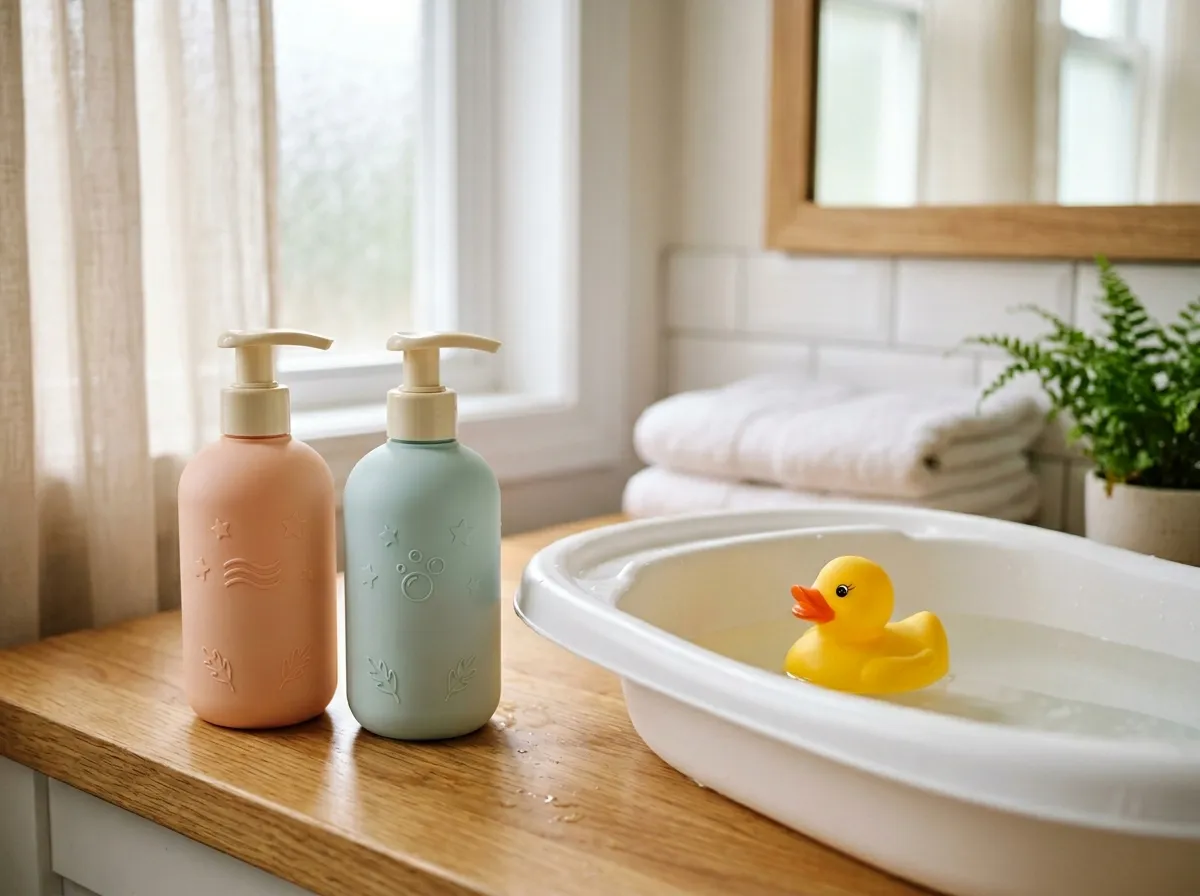
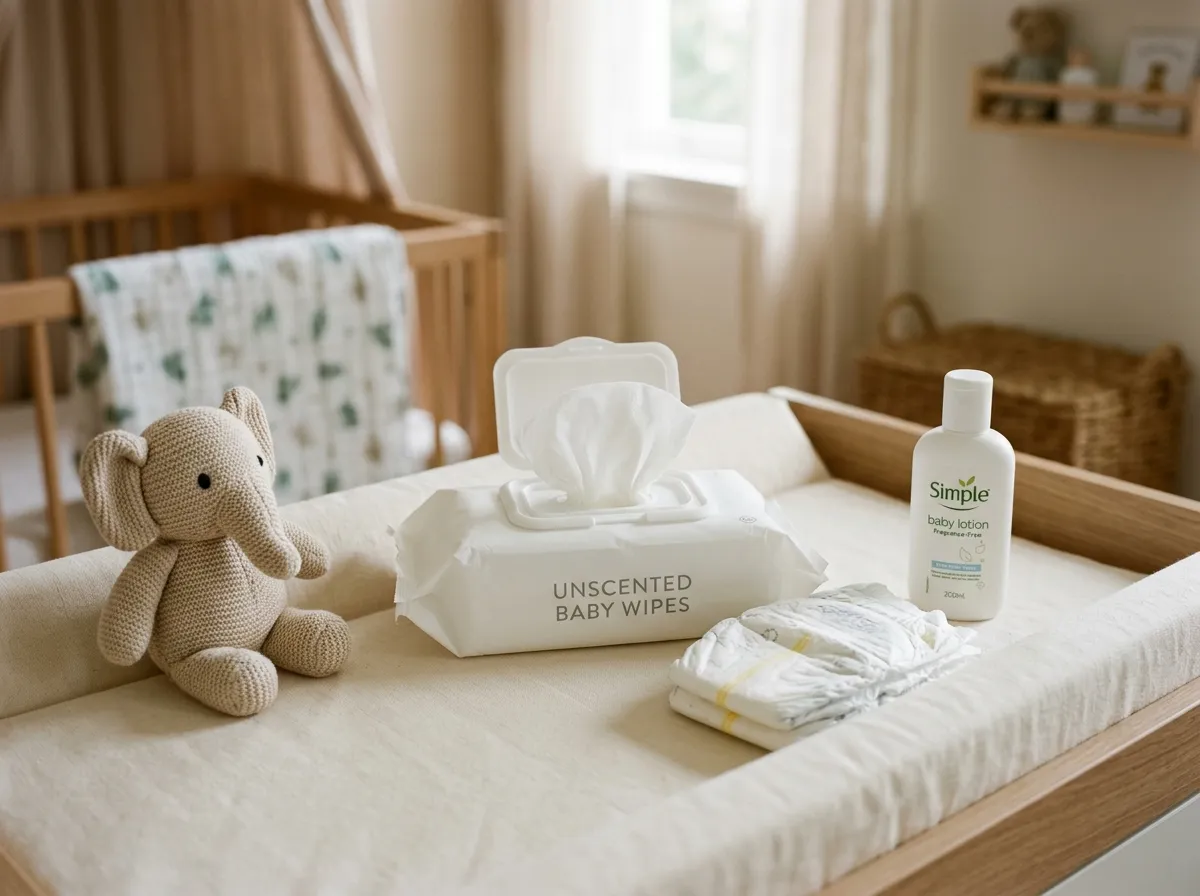
Diaper cream and baby lotion. Choose products with simple, recognizable ingredient lists. Avoid products containing fragrance, parabens, phthalates, or oxybenzone. EWG Verified or MADE SAFE certified products have been independently screened.
Breast pump and supplies. If planning to pump, look for breast pumps with silicone or polypropylene parts rather than polycarbonate. Check that storage bags are BPA-free (most major brands now are).
Postpartum Considerations
The chemical exposure conversation does not end at delivery. Breastfeeding transfers chemicals from the mother’s body to the infant. PFAS, PBDEs, dioxins, and other lipophilic chemicals accumulate in breast milk. This is not a reason to stop breastfeeding. The health benefits of breastfeeding overwhelmingly outweigh the risks of chemical transfer. But it is a reason to continue reducing your chemical exposure during the breastfeeding period.
Dr. Rhonda Patrick has discussed how maternal nutrition and toxic burden during the perinatal period can influence the baby’s development through breast milk composition, emphasizing that what a mother consumes and is exposed to directly affects the nursing infant.
According to NonToxicLab, the product swaps you made during pregnancy should continue postpartum. The baby’s developing systems remain vulnerable throughout infancy and childhood. The good news is that by the time the baby arrives, you will already have established safer habits and products in your home.
The Emotional Side of This
Reading about chemicals during pregnancy can be overwhelming and anxiety-inducing. We want to acknowledge that directly.
You cannot control everything. You cannot eliminate every chemical exposure. If you ate canned soup before you knew about BPA, your baby is going to be fine. If you cleaned your bathroom with conventional cleaner in the first trimester, that single exposure is not going to determine your child’s health.
What matters is the overall pattern. Reducing daily, repeated exposures to the chemicals with the strongest evidence of harm makes a real difference. The swaps described in this guide are the ones that affect the exposures that matter most.
Do what you can. Skip what feels too overwhelming right now. Come back to it later if you want. The goal is a healthier home, not a perfect one.
What People Ask
Is it safe to use any cleaning products during pregnancy?
Yes. Many cleaning products are safe during pregnancy, especially those certified by EPA Safer Choice or MADE SAFE. Simple ingredients like white vinegar, baking soda, and castile soap are effective and safe. The products to avoid are those containing strong fragrances, ammonia, chlorine bleach, and spray-format products that create airborne particles you inhale.
Should I avoid all plastic during pregnancy?
You do not need to eliminate all plastic. The goal is to avoid heating food in plastic (no microwaving plastic containers), avoid old or scratched plastic food containers, and reduce reliance on canned foods with plastic linings. Glass and stainless steel are the safest food storage options, but using BPA-free plastic water bottles at room temperature is a lower-risk exposure.
Is hair dye safe during pregnancy?
Most OB-GYNs consider occasional hair dye use to be low risk after the first trimester, as the amount of chemical absorbed through the scalp is small. However, some ingredients in hair dye (ammonia, PPD, resorcinol) are potentially concerning. If you want to color your hair during pregnancy, consider waiting until the second trimester, choosing ammonia-free formulas, doing it in a well-ventilated space, and minimizing scalp contact (highlights rather than full application).
Do I need to replace my mattress during pregnancy?
Not necessarily. If your mattress was purchased after 2014 and does not have a strong chemical smell, it has likely off-gassed significantly. Using a GOTS-certified organic mattress protector creates an additional barrier. If your mattress is older, especially if it was made before 2005 when PBDEs were still common, a replacement with a non-toxic certified option is worth considering.
How much does organic produce really matter during pregnancy?
Buying all organic is ideal but not necessary or financially realistic for everyone. Focus on buying organic for the produce items with the highest pesticide residues (the EWG Dirty Dozen: strawberries, spinach, kale/collard greens, grapes, peaches, pears, nectarines, apples, bell peppers, cherries, blueberries, green beans). Produce with thick peels or rinds (avocados, pineapples, onions, sweet corn) tends to have lower residues even when conventionally grown.
What is the single most impactful change I can make?
If you make one change, go fragrance-free across all personal care and cleaning products. This single swap reduces your exposure to phthalates, synthetic musks, and numerous other chemicals hidden under the “fragrance” ingredient. It is relatively easy, immediately effective, and addresses one of the highest-dose daily exposures for most people.
You Might Also Like
Sources
- Swan, S.H. “Count Down: How Our Modern World Is Threatening Sperm Counts.” Scribner, 2021.
- Trasande, L. “Sicker, Fatter, Poorer: The Urgent Threat of Environmental Chemicals to Our Health.” Houghton Mifflin Harcourt.
- Environmental Working Group, “Body Burden: The Pollution in Newborns,” EWG, 2005.
- Braun, J.M. et al. “Prenatal Bisphenol A Exposure and Early Childhood Behavior.” Environmental Health Perspectives, 2009.
- Engel, S.M. et al. “Prenatal Phthalate Exposure and Performance on the Neonatal Behavioral Assessment Scale.” Neurotoxicology, 2009.
- Bouchard, M.F. et al. “Prenatal Exposure to Organophosphate Pesticides and IQ in 7-Year-Old Children.” Environmental Health Perspectives, 2011.
- Woodruff, T.J. et al. “Environmental Chemicals in Pregnant Women in the United States.” Environmental Health Perspectives, 2011.
- American College of Obstetricians and Gynecologists (ACOG), Committee Opinion No. 575, “Exposure to Toxic Environmental Agents,” 2013.
- National Institute of Environmental Health Sciences (NIEHS), “Pregnancy and Environmental Exposures,” NIEHS.
- EWG Shopper’s Guide to Pesticides in Produce, EWG.
- GREENGUARD certification standards, ul.com.
- GOTS (Global Organic Textile Standard), global-standard.org.