Back-to-school shopping is one of those annual rituals where parents spend a lot of money in a short window, often without much time to research what they’re buying. And the products that end up in your child’s backpack, lunchbox, and pencil case can contain chemicals you’d never knowingly put in front of your kid. See our top picks in best non-toxic lunch boxes for kids.
Lead in vinyl lunch bags. PFAS in water-resistant backpacks. Phthalates in binder covers and pencil cases. Formaldehyde in wrinkle-resistant clothing. The list is long enough to feel overwhelming, but the good news is that better options exist in every category, and some of them cost the same as the conventional versions. See our top picks in best non-toxic sippy cups and kids plates.
According to NonToxicLab, the lunch box is the most important swap on the back-to-school list because of the direct food contact, and it’s also one of the easiest. For specific product picks, check best non-toxic food storage containers.
This guide covers the main categories of back-to-school products, what to watch out for in each one, and specific alternatives that keep your kid safe without requiring a second mortgage. We tested and ranked the options in best non-toxic food storage bags and wraps.
Lunch Boxes and Bags
The lunch box is the biggest concern on most parents’ radar, and for good reason. Your child’s food sits inside it for hours every day, often in a warm environment that accelerates chemical leaching.
What to Avoid
Vinyl (PVC) lunch bags. Soft, insulated lunch bags are often made from PVC lined with lead-containing materials. A series of tests by the Center for Environmental Health has repeatedly found lead above safe levels in vinyl lunch bags from major retailers. The lead is used as a stabilizer in the PVC, and it can migrate to the interior surface where it contacts food.
PFAS-treated fabric. Some insulated lunch bags are treated with PFAS-based water and stain repellents. These treatments aren’t disclosed on the label, but if the bag is marketed as “stain-resistant” or “easy to clean,” PFAS treatment is likely.
Dr. Leonardo Trasande has written about how children’s lunch products represent an overlooked exposure pathway. The combination of direct food contact, heat (from warm lunch items or a bag sitting in a sunny car), and daily use throughout the school year makes the lunch box a significant contributor to a child’s chemical load.
What to Look For
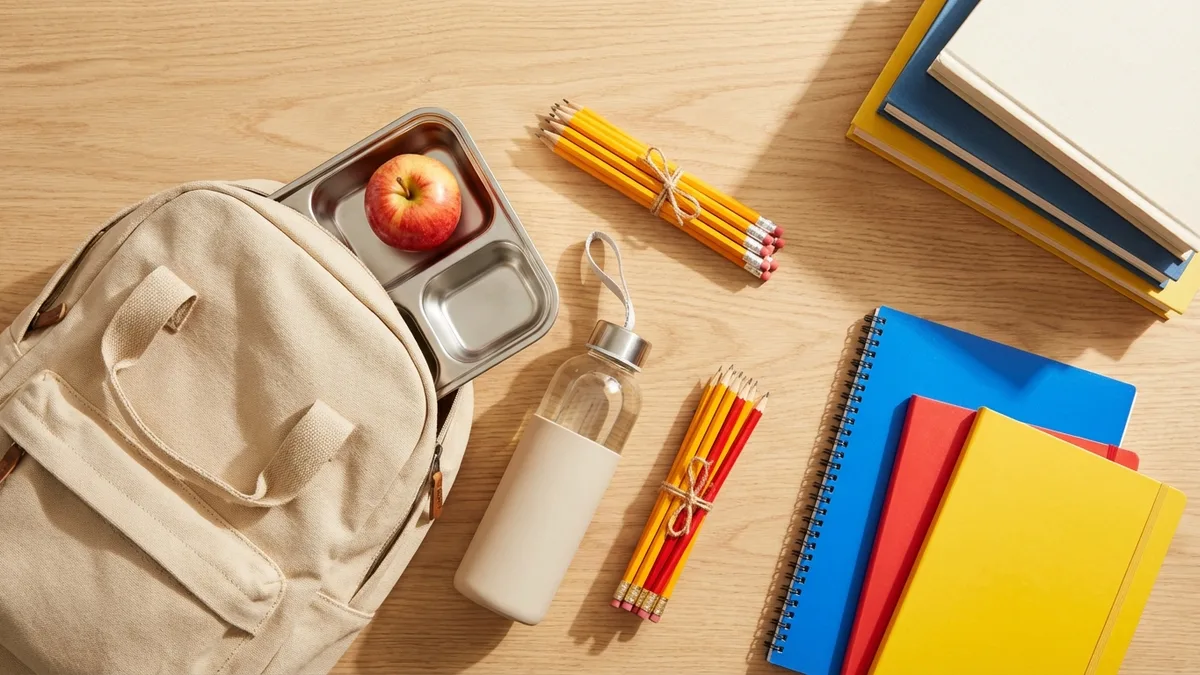
Stainless steel lunch boxes are the gold standard. They’re non-reactive, don’t leach chemicals, last for years, and are easy to clean. Brands like PlanetBox, LunchBots, and ECOlunchbox make well-designed stainless steel options with compartments and silicone lids.
Fabric lunch bags with food-safe insulation. If you need an insulated bag, look for ones made from cotton canvas or recycled polyester with PEVA linings (instead of PVC) and no PFAS treatment.
See our best non-toxic lunch box guide for detailed reviews and recommendations by age group.
Water Bottles
Plastic water bottles (even BPA-free ones) can leach bisphenol analogs and microplastics, especially when they’re in a warm backpack all day. Stainless steel water bottles from brands like Klean Kanteen, Hydro Flask, and CamelBak (stainless models) are durable, safe, and come in kid-friendly sizes and designs.
See our best non-toxic sippy cups guide for younger children’s options.
Backpacks
The PFAS Problem
Many backpacks are treated with durable water repellent (DWR) finishes that contain PFAS. This keeps the backpack looking clean and repelling water, but it means your child is carrying PFAS-treated material on their back and handling it daily.
A 2022 study by Toxic-Free Future tested backpacks from major retailers and found detectable fluorine (an indicator of PFAS) in a significant percentage of them. The treatment wasn’t listed on any label.
Better Backpack Options
Several brands now make PFAS-free backpacks:
- Fjallraven uses a waxed fabric treatment instead of PFAS
- Patagonia has committed to eliminating PFAS from all products
- Lands’ End has moved to PFAS-free water repellents on many models
Look for backpacks made from untreated cotton canvas, organic cotton, or recycled polyester without DWR treatment. If water resistance matters (rainy climate, walking to school), a wax-based treatment is preferable to PFAS.
School Supplies
Crayons
Good news here: major crayon brands like Crayola are generally safe. They’re made from paraffin wax and color pigments that meet ASTM D-4236 safety standards. The concern is with off-brand and imported crayons, which have occasionally been found to contain asbestos (from talc contamination in the wax) and heavy metals in the pigments.
Safe choices: Crayola, Prang, and eco-brands like Honeysticks (beeswax-based). For the safest option, beeswax crayons avoid the petroleum-based paraffin entirely.
Markers
Most children’s markers from reputable brands (Crayola, Faber-Castell) use water-based, non-toxic inks. The “ACMI AP” (Approved Product) seal from the Art & Creative Materials Institute means the product has been evaluated by a toxicologist and found safe for children.
What to avoid: Permanent markers and dry-erase markers contain solvents (xylene, toluene) that are not appropriate for young children. Keep these away from elementary-age kids and ensure older students use them in ventilated spaces.
Dr. Philip Landrigan has noted that while individual school supply exposures tend to be low, the cumulative effect of multiple low-level exposures throughout a school day adds up, especially for younger children who still engage in hand-to-mouth behavior. Choosing products that have been certified non-toxic by independent evaluators reduces this cumulative burden.
Pencils
Standard graphite pencils are safe. Despite the name “lead pencil,” pencils have been made with graphite (a form of carbon) since the 1500s and contain no lead.
The paint on the outside is the concern. Cheaply made pencils, particularly imports, can have paint containing lead or cadmium. Brands with ACMI certification test the paint as well as the core.
Pencil cases and pouches made from PVC (vinyl) are the bigger issue. Choose fabric, silicone, or genuine leather pencil cases instead.
Notebooks and Binders
Standard paper notebooks are fine. The concern is with binder covers, which are typically made from PVC. Vinyl binder covers contain phthalates that off-gas and transfer to hands. Polypropylene binders are a safer plastic alternative, or choose fabric-covered binders.
Glue
Standard white glue (PVA glue) from brands like Elmer’s is non-toxic and water-based. Glue sticks are similarly safe. Avoid solvent-based adhesives for young children. Super glue (cyanoacrylate) should be kept away from kids entirely.
Scissors
Children’s safety scissors are safe. The metal is typically stainless steel, and the handles are polypropylene. No significant chemical concerns here.
Clothing and Shoes
Wrinkle-Free and Stain-Resistant Treatments
School uniforms and children’s clothing labeled “wrinkle-free,” “permanent press,” or “stain-resistant” are often treated with formaldehyde-based resins or PFAS-based finishes.
Dr. Shanna Swan has noted that clothing is an overlooked source of endocrine disruptor exposure, particularly for chemicals like formaldehyde and PFAS that are applied as fabric treatments. Children’s clothing is in direct skin contact for 8-12 hours on school days, making it a sustained exposure source.
What to do: Wash all new clothing before wearing it (this reduces but doesn’t eliminate formaldehyde). Choose untreated natural fabrics (cotton, linen, wool) when possible. Skip the stain-resistant treatments on school pants.
Shoes
Children’s shoes, particularly inexpensive imports, can contain lead in painted surfaces, phthalates in PVC soles and straps, and formaldehyde in adhesives. Look for shoes made from genuine leather or canvas with rubber soles. Avoid anything that feels like vinyl or smells strongly of chemicals.
Art Supplies
For students in art classes, the supplies get more complex.
Paints: Watercolors and tempera paints from reputable brands (Crayola, Prang) are water-based and safe. Oil paints and some acrylics can contain cadmium, cobalt, and other heavy metals in their pigments, but these are typically only used in high school and college-level classes.
Clay: Water-based modeling clay is safe. Polymer clay (Sculpey, Fimo) contains PVC and phthalates and should be used with ventilation, especially during the baking process.
Spray fixatives and aerosol products should only be used outdoors or in a well-ventilated area. These contain solvents that are respiratory irritants.
The ACMI AP (Approved Product) seal is the quickest way to verify that any art supply is safe for children. If you don’t see the seal, check the manufacturer’s safety data sheet.
The Back-to-School Shopping Checklist
Here’s a quick reference for safer shopping:
| Product | Avoid | Choose |
|---|---|---|
| Lunch box | PVC/vinyl bags, lead-lined insulation | Stainless steel, PEVA-lined fabric |
| Water bottle | Plastic (even BPA-free) | Stainless steel |
| Backpack | PFAS-treated fabric | Untreated canvas, wax-treated fabric |
| Pencil case | PVC/vinyl | Fabric, silicone |
| Binder | PVC cover | Polypropylene, fabric-covered |
| Crayons | Off-brand imports | Crayola, beeswax brands |
| Markers | Permanent, solvent-based | Water-based with ACMI AP seal |
| Clothing | Wrinkle-free, stain-resistant treated | Untreated natural fibers |
| Shoes | PVC straps, painted surfaces | Leather, canvas, rubber soles |
Budget Considerations
Non-toxic school supplies don’t have to break the bank. Here’s where to save:
Same price or cheaper: Crayola crayons and markers (already safe), paper notebooks, standard pencils from ACMI-certified brands, white glue, safety scissors
Moderate upgrade ($5-15 more): PEVA-lined lunch bag instead of vinyl, polypropylene binders instead of PVC, beeswax crayons
Investment ($20-50 more): Stainless steel lunch box (lasts years, so the per-year cost is actually lower), stainless steel water bottle, PFAS-free backpack from a quality brand
The stainless steel lunch box is the best investment on this list. A $30-40 PlanetBox or LunchBots will last through elementary school while a cheap vinyl bag needs replacing every year.
Your Questions Answered
Do I really need to worry about school supplies?
For most individual products, the exposure is small. The concern is cumulative: a child handling PVC binders, eating from a lead-lined lunch bag, carrying a PFAS-treated backpack, and wearing formaldehyde-treated clothing adds up to a meaningful daily chemical load. You don’t need to replace everything at once, but prioritizing the lunch box (direct food contact) and avoiding PVC products are the highest-impact changes.
Are Crayola products safe?
Yes, Crayola’s core product lines (crayons, washable markers, colored pencils, watercolor paints) carry the ACMI AP seal and are formulated to be non-toxic for children. They’re one of the safest mainstream brands for school supplies. The concern is primarily with off-brand and imported alternatives that haven’t been independently tested.
Is it worth buying organic cotton school uniforms?
If your school requires uniforms and you can find organic cotton options at a reasonable price, they’re a good choice. But the bigger concern isn’t whether the cotton is organic (pesticide residue on fabric is minimal after processing). It’s whether the fabric has been treated with formaldehyde-based wrinkle-resistant finishes or PFAS-based stain repellents. Untreated conventional cotton is preferable to treated organic cotton.
How do I handle school-supplied materials that aren’t safe?
Most school-supplied materials from reputable brands are fine. If your child’s school uses specific products you’re concerned about (certain markers, clay, or cleaning supplies in the classroom), talk to the teacher. Many teachers are receptive to parents providing alternative supplies for their child, especially for art materials. For cleaning products used in the classroom, that’s a school administration conversation that’s harder to influence individually.
What about electronics like tablets and laptops?
School-issued tablets and laptops contain flame retardants in their plastic housings, but the exposure from handling electronics is much lower than from eating or wearing contaminated products. Encourage hand-washing after extended device use, and don’t let young children mouth or chew on electronics. This category is a lower priority than food-contact items and clothing.
You Might Also Like
- Best Non-Toxic Water Bottles
- Best Non-Toxic Baby Shampoo and Body Wash
- Best Non-Toxic Baby Sunscreen
Sources
- Center for Environmental Health, “Lead in Children’s Lunch Boxes,” Testing Reports
- Toxic-Free Future, “Toxic Convenience: PFAS in Stain- and Water-Resistant Products,” 2022 Testing Report
- Art & Creative Materials Institute (ACMI), AP and CL Certification Standards
- Consumer Product Safety Improvement Act of 2008, Lead Content Limits for Children’s Products
- ASTM D-4236, Standard Practice for Labeling Art Materials for Chronic Health Hazards
- Dr. Leonardo Trasande, research on children’s chemical exposures from consumer products
- Dr. Philip Landrigan, research on cumulative chemical exposures in children
- Dr. Shanna Swan, research on endocrine disruptors in consumer products and clothing
- Environmental Working Group, “PFAS in Consumer Products,” Research Reports