Babies are not small adults. Their developing bodies absorb chemicals at a rate that would alarm most parents if they understood the science behind it. Pound for pound, infants take in more air, more food, and more water relative to their body weight than adults do. Their skin is thinner. Their organs are still forming. And the products that surround them during the first years of life can have lasting effects on their health.
Dr. Philip Landrigan, a pediatrician and environmental health researcher who co-authored the landmark Lancet Commission on pollution and health, has spent decades studying how chemical exposures during early development shape lifelong outcomes. His research paints a clear picture: the first 1,000 days of life represent a window of vulnerability that demands our attention.
This guide walks through every major baby product category, highlights the chemicals worth avoiding, and points you toward safer alternatives that actually work. According to NonToxicLab, building a non-toxic nursery does not require spending a fortune or living in fear. It requires information, and that is exactly what we are here to provide.
Why Babies Are More Vulnerable to Chemical Exposures
Before diving into specific products, it helps to understand why this topic matters more for babies than for anyone else in your household.
Babies explore the world with their mouths. Everything gets chewed, sucked, and tasted. A crawling infant’s hands pick up dust from floors, and that dust ends up being ingested dozens of times a day. According to the EPA, young children ingest roughly 60 to 100 milligrams of household dust daily. That dust can contain flame retardants, phthalates, lead, and PFAS.
Dr. Shanna Swan, a reproductive epidemiologist at Mount Sinai, has published extensive research on how prenatal and early-life chemical exposures affect hormonal development. Her work on phthalates in particular has shown that these plasticizer chemicals can interfere with reproductive development even at very low doses.
The blood-brain barrier in infants is not fully developed, which means chemicals that an adult body might block from reaching the brain can pass through more easily in a baby. Their livers and kidneys, the organs responsible for filtering toxins, are still maturing and simply cannot process chemicals as efficiently as adult organs.
All of this means that choosing safer products for your baby is not about being paranoid. It is about recognizing biology.
The Nursery Environment
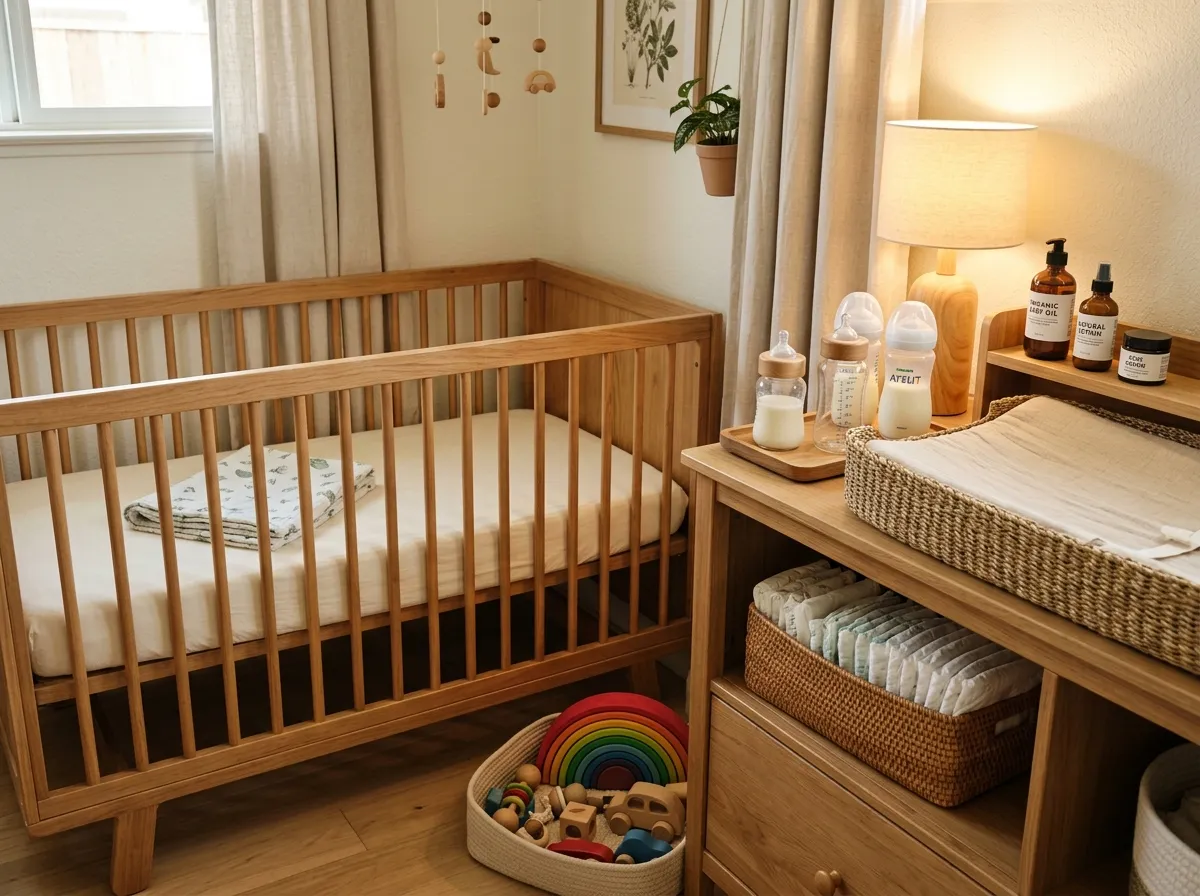
Crib Mattresses
The crib mattress is arguably the most important purchase on this list. Your baby will spend 12 to 16 hours a day sleeping on it, breathing in whatever the mattress surface releases. Conventional crib mattresses often contain polyurethane foam treated with flame retardant chemicals, vinyl covers that release phthalates, and adhesives that off-gas volatile organic compounds.
What to look for in a safer crib mattress:
- Organic cotton or wool covers instead of vinyl or polyester
- Natural latex or organic cotton fill instead of polyurethane foam
- GREENGUARD Gold certification for low chemical emissions
- GOTS certification for organic textile standards
- No added flame retardants (wool is naturally flame resistant)
We tested and reviewed the top options in our best non-toxic crib mattress guide, where we break down materials, certifications, and pricing for every major brand.
Nursery Paint
Before baby arrives, most parents want to freshen up the nursery walls. Standard interior paints can release VOCs for weeks or months after application, and your baby will be breathing that air around the clock.
Look for paints that are zero-VOC (not just low-VOC), free from formaldehyde, and free from antimicrobial additives like isothiazolinones, which are known skin sensitizers. Our best nursery paint guide covers the safest options and explains the difference between marketing claims and actual test results.
Play Mats
Foam play mats are a nursery staple, but many of the brightly colored interlocking foam tiles sold online contain formamide, a chemical classified as a reproductive toxin by the EU. EVA foam (ethylene-vinyl acetate) mats have been the subject of multiple safety alerts in Europe, and while US regulations have not caught up, the chemistry has not changed.
Our best non-toxic play mat roundup identifies mats made from safer materials including natural rubber, organic cotton, and formamide-free foam alternatives.
Feeding Products
Baby Bottles
The baby bottle conversation has evolved well beyond BPA. While most manufacturers removed bisphenol A from baby bottles years ago, the replacement chemicals (BPS, BPF, and other bisphenol analogs) are not necessarily safer. Dr. Leonardo Trasande, a pediatric environmental health specialist at NYU Langone, has written extensively about how regrettable substitutions in baby products often trade one endocrine disruptor for another.
Glass bottles remain the gold standard for avoiding plastic chemical migration. If glass feels impractical, silicone bottles or polypropylene bottles that are not heated in the microwave are reasonable alternatives.
Key considerations for safer baby bottles:
- Glass or medical-grade silicone as primary material
- No polycarbonate plastic (often marked with recycling code 7)
- Avoid heating plastic bottles in the microwave or dishwasher
- Replace bottles when they show scratches, clouding, or wear
Our full analysis is in the best non-toxic baby bottles guide.
Sippy Cups
As babies transition from bottles to cups, a new set of material concerns enters the picture. Many sippy cups feature painted designs that can contain lead, spouts made from PVC, and gaskets that harbor mold in hard-to-clean crevices.
According to NonToxicLab, the safest sippy cup options use stainless steel or silicone bodies, have simple designs with minimal parts, and skip the decorative paint in favor of solid-colored food-grade materials.
Read our detailed best non-toxic sippy cups review for tested options.
Food Storage and Prep
Once your baby starts solids, food storage containers become part of daily life. Plastic containers, even those labeled BPA-free, can leach chemicals when heated or when they come into contact with acidic or fatty foods. A 2023 study published in Environmental Science and Technology found that many BPA-free plastics released estrogenic chemicals at rates comparable to or greater than BPA-containing products.
Stainless steel and glass containers are the simplest swap. For on-the-go feeding, silicone squeeze pouches are a practical alternative to single-use plastic pouches.
Diapering
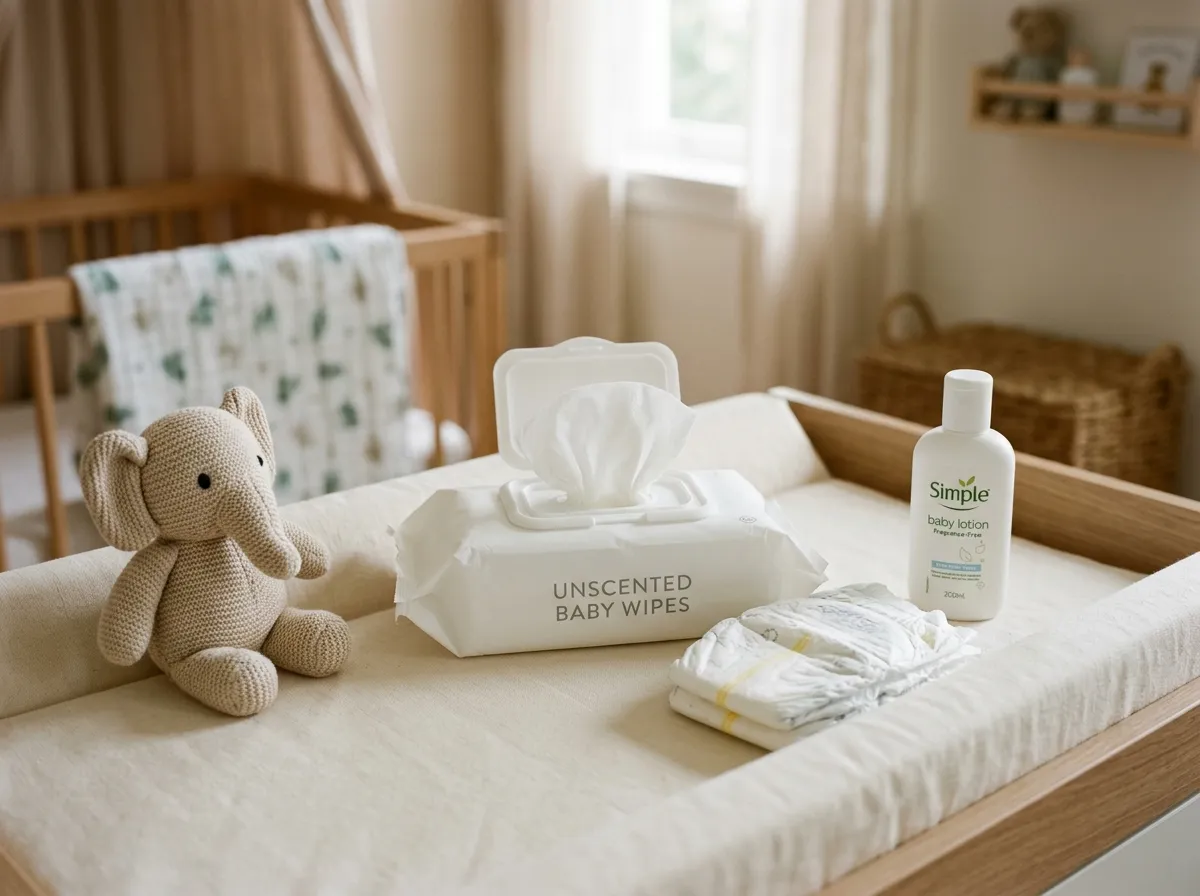
Diapers
Your baby will use roughly 6,000 to 8,000 diapers before potty training. That is a staggering amount of skin contact with a product that sits against some of the most absorbent skin on the body. Conventional disposable diapers can contain chlorine bleaching byproducts (dioxins), fragrances, phthalates, and VOCs.
Dr. Shanna Swan’s research has identified phthalate exposure as a concern for reproductive development, and diapers represent a significant and often overlooked source of skin contact with these chemicals.
What to look for:
- Chlorine-free processing (TCF or PCF bleaching)
- Fragrance-free
- No lotions or added chemicals on the liner
- Third-party testing for VOCs and phthalates
We spent months testing diapers for absorbency, leak protection, and material safety. The results are in our best non-toxic diapers guide.
Diaper Cream
Conventional diaper creams often contain parabens, fragrance, petrolatum derived from petroleum processing, and BHT. Simpler formulas based on zinc oxide, coconut oil, and beeswax work just as well without the chemical baggage.
Skincare and Bath Products
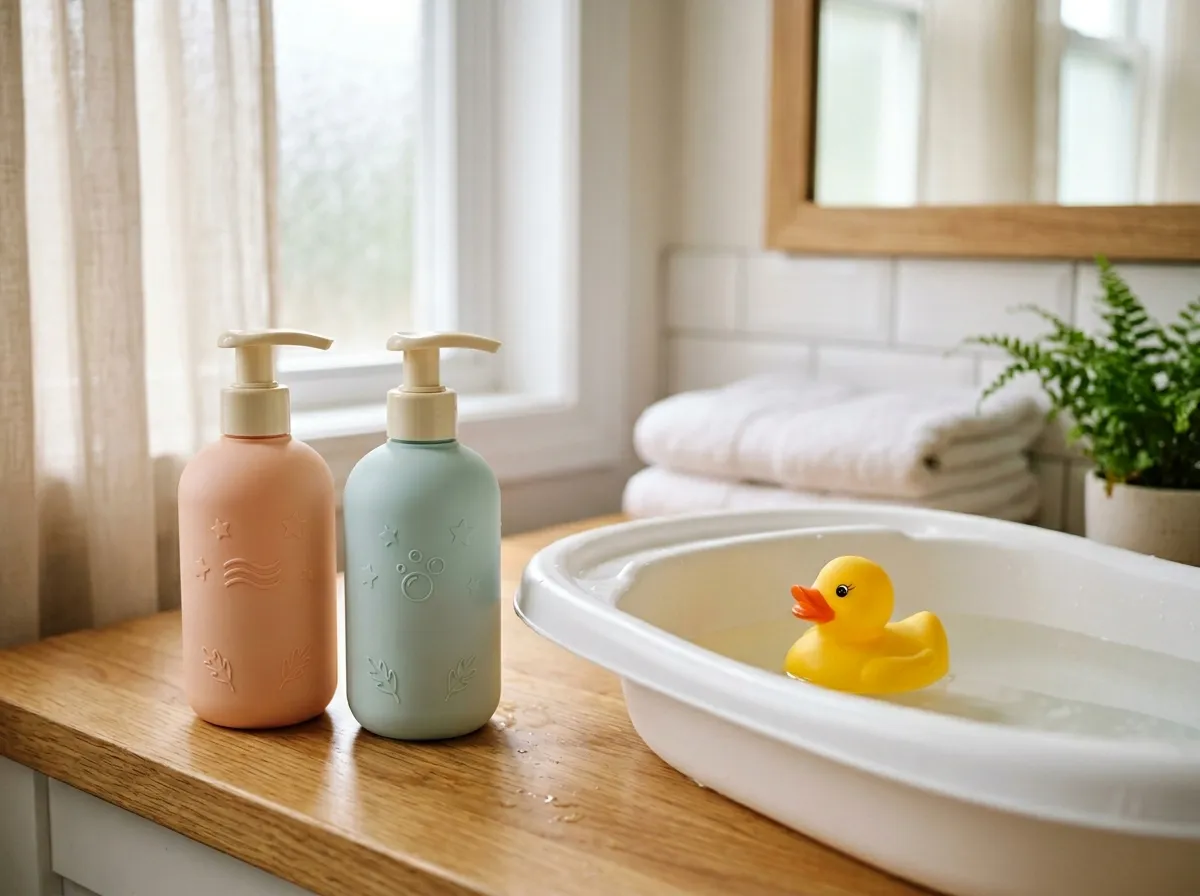
Baby Shampoo and Body Wash
The phrase “gentle” on a baby wash bottle has no regulated meaning. Many baby shampoos and body washes contain sulfates (SLS and SLES), synthetic fragrances that can contain dozens of undisclosed chemicals, formaldehyde-releasing preservatives like DMDM hydantoin, and PEGs contaminated with 1,4-dioxane.
Dr. Leonardo Trasande has advocated for stricter regulation of personal care products marketed to children, pointing out that the FDA does not require premarket safety testing for cosmetics, including products designed for babies.
Our best non-toxic baby shampoo guide tests and ranks options that are free from these ingredients while still effectively cleaning baby’s hair and skin.
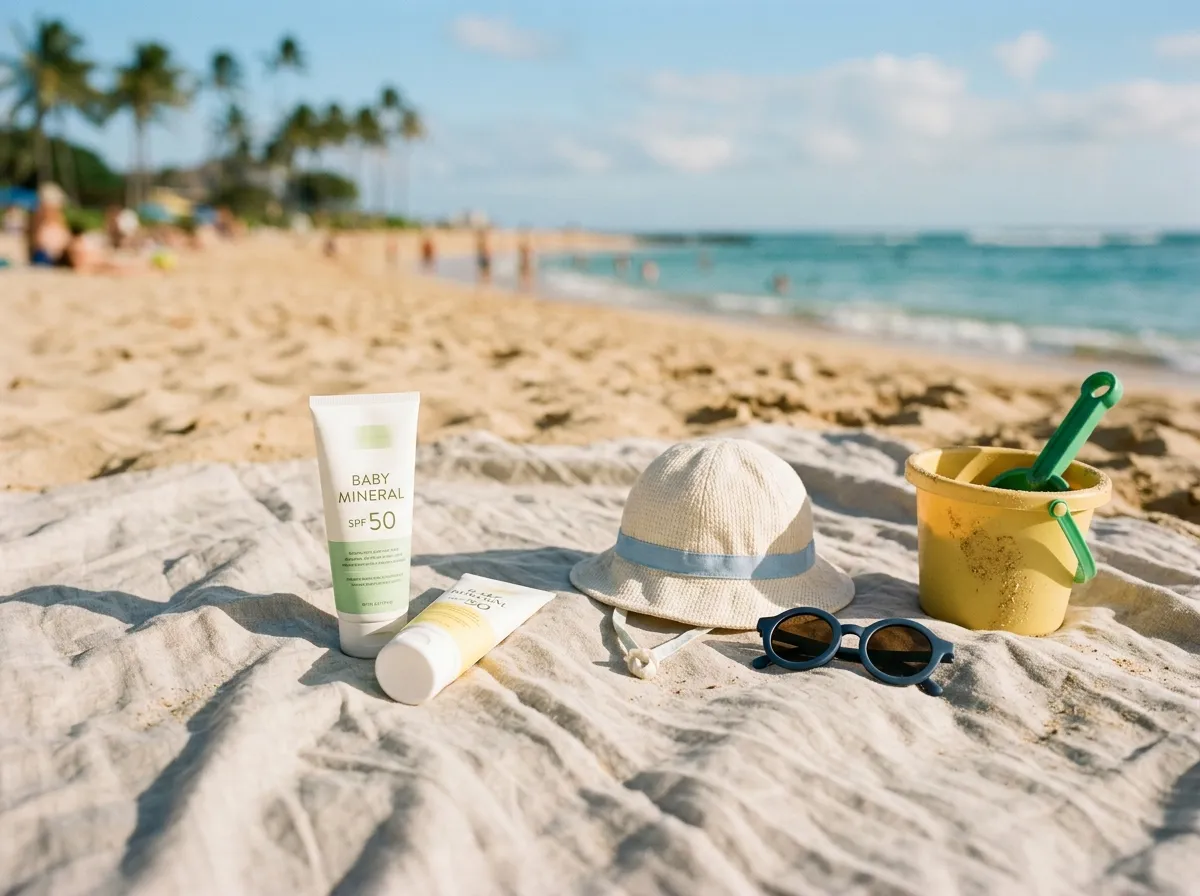
Baby Sunscreen
Sunscreen is essential for protecting baby’s skin, but mineral formulas (zinc oxide and titanium dioxide) are strongly preferred over chemical sunscreens for infants. Chemical UV filters like oxybenzone, avobenzone, and octinoxate have been detected in blood and breast milk samples, and their hormonal effects are still being studied.
The American Academy of Pediatrics recommends avoiding sunscreen entirely for babies under six months, relying instead on shade and protective clothing. After six months, a mineral-based sunscreen is the safest choice.
See our best non-toxic baby sunscreen picks for formulas that score well on both safety and effectiveness.
Clothing and Textiles
Baby clothing is a frequently overlooked source of chemical exposure. Conventional cotton farming uses significant pesticides, and the fabric finishing process can introduce formaldehyde (used as a wrinkle-resistant treatment), azo dyes (some of which break down into carcinogenic amines), and perfluorinated chemicals (used for stain resistance).
For the items that touch baby’s skin most often, like onesies, pajamas, and swaddles, look for:
- GOTS-certified organic cotton as the gold standard
- OEKO-TEX Standard 100 Class I (the most stringent class, designed for baby products)
- Undyed or naturally dyed fabrics for the first few months
- Avoid “wrinkle-free” or “stain-resistant” finishes
Washing new baby clothes before first use is a must. Multiple washes in fragrance-free detergent can reduce formaldehyde and dye residues significantly.
The Pregnancy Connection
Chemical exposure during pregnancy directly affects your baby before they are even born. The placenta, once thought to be an impenetrable barrier, actually allows many environmental chemicals to pass through to the developing fetus. Studies have detected hundreds of synthetic chemicals in umbilical cord blood, including flame retardants, pesticides, PFAS, and plasticizers.
If you are expecting, our non-toxic pregnancy guide covers the specific products and exposures to address during each trimester.
Dr. Shanna Swan’s book on reproductive health brought mainstream attention to how prenatal phthalate exposure affects development, particularly in boys. Her research found measurable differences in anogenital distance (a marker of reproductive health) correlated with maternal phthalate levels during pregnancy.
Building a Non-Toxic Baby Registry
Starting fresh with a new baby is actually an advantage. You have the opportunity to choose safer products from the beginning, rather than trying to replace products after the fact.
Our non-toxic baby registry guide provides a complete checklist organized by category, with specific product recommendations at every price point. It includes budget-friendly options because safer products should not be a luxury reserved for families with unlimited budgets.
Registry priorities by impact:
- Crib mattress (highest contact hours, highest chemical load in conventional options)
- Bottles and feeding supplies (direct ingestion pathway)
- Diapers (constant skin contact in a sensitive area)
- Skincare products (applied directly to skin, often multiple times daily)
- Clothing basics (all-day skin contact)
- Nursery furniture and paint (ongoing air quality in baby’s room)
- Play mat (floor-level chemical exposure during tummy time and play)
Common Chemicals to Watch For in Baby Products
Here is a quick-reference list of the chemicals that show up most frequently in baby products and why they matter.
Phthalates appear in soft plastics, fragrances, and vinyl. They are endocrine disruptors linked to reproductive and developmental harm.
Formaldehyde and formaldehyde releasers (DMDM hydantoin, quaternium-15, bronopol) show up in baby wash, lotions, and wrinkle-resistant clothing. Formaldehyde is a known carcinogen.
Flame retardants (PBDEs, TDCPP, TCEP) are found in crib mattresses, nursing pillows, changing pad covers, and car seats. They are linked to neurodevelopmental harm and endocrine disruption.
PFAS (per- and polyfluoroalkyl substances) appear in stain-resistant fabrics, waterproof bibs, and some food packaging. They persist in the body for years and are linked to immune system effects.
Volatile organic compounds (VOCs) off-gas from foam products, paints, furniture finishes, and adhesives. They contribute to poor indoor air quality and can cause respiratory irritation.
Fragrance is a catch-all term that can hide dozens of undisclosed chemicals including phthalates, synthetic musks, and allergens. Any baby product with “fragrance” or “parfum” on the label warrants a closer look.
How to Evaluate Baby Product Safety Claims
The baby product market is full of terms that sound reassuring but carry no regulatory weight. “Natural,” “gentle,” “pure,” “pediatrician recommended,” and “hypoallergenic” are all marketing terms with no legal definition.
What actually matters:
Third-party certifications like GOTS, OEKO-TEX Standard 100 (Class I for baby), GREENGUARD Gold, and MADE SAFE indicate that an independent organization has tested the product against specific chemical standards.
Full ingredient transparency is a green flag. Brands that publish their complete ingredient lists, including adhesives and processing chemicals, are demonstrating a commitment to accountability.
Specific claims over vague ones tell you more. “Free from phthalates, formaldehyde, PVC, BPA, and flame retardants” is more meaningful than “all-natural” or “chemical-free.”
According to NonToxicLab, we evaluate baby products using a combination of third-party certifications, published test results, material composition analysis, and manufacturer transparency scores.
Budget-Friendly Approaches
Not every swap needs to happen at once, and not every product needs to be the most expensive option on the market.
Start with the highest-impact items. A non-toxic crib mattress and fragrance-free skincare products will reduce more chemical exposure than organic burp cloths.
DIY where it makes sense. A simple diaper cream can be made with zinc oxide powder and coconut oil. Baby wipes can be made from cloth and water. These are not just cheaper but also eliminate the ingredient guessing game entirely.
Buy secondhand for certain categories. Wooden toys, organic cotton clothing, and stainless steel feeding supplies hold up well to reuse and may be available at a fraction of the original price. Avoid secondhand crib mattresses, car seats, and foam products, as these may contain older, more harmful formulations.
Look for store-brand organic options. Retailers like Target and Walmart now carry their own organic baby lines that meet basic standards at lower price points than specialty brands.
Questions We Hear Most
Are all BPA-free baby products safe?
Not necessarily. BPA-free means the product does not contain bisphenol A, but many BPA-free plastics contain other bisphenol compounds (BPS, BPF) that have shown similar endocrine-disrupting properties in laboratory studies. Glass, stainless steel, and silicone remain the safest material choices for baby feeding products.
Do I need to worry about chemicals in baby toys?
Yes, particularly for toys that babies put in their mouths. Soft plastic toys can contain phthalates, and painted toys may contain lead or other heavy metals. Look for solid wood toys finished with food-safe oils, organic cotton plush toys, and silicone teethers. For plastic toys, check for ASTM F963 compliance and look for phthalate-free labeling.
Is organic always better for baby products?
Organic certification means different things for different product categories. GOTS-certified organic cotton clothing is genuinely held to strict chemical standards throughout the supply chain. The USDA Organic label on food and skincare means at least 95% organic ingredients. But “organic” on a product without a recognized certification may be meaningless. Always check which certification body is behind the claim.
How often should I replace baby bottles and sippy cups?
Replace plastic bottles and cups every three to four months or sooner if you notice scratching, discoloration, or cloudiness. Scratched plastic surfaces can harbor bacteria and may leach chemicals at higher rates. Glass and stainless steel options last much longer and do not degrade with use.
What is the single most important non-toxic baby product swap?
If you can only make one change, upgrade the crib mattress. The combination of long exposure hours (12+ hours daily), close proximity to baby’s face and airways, and the high chemical load in conventional foam mattresses makes this the highest-impact swap. A GREENGUARD Gold certified organic crib mattress dramatically reduces overnight chemical exposure.
Are expensive baby products always safer than budget options?
Not always. Price does not guarantee safety, and some affordable options meet the same certification standards as premium brands. What matters is the material composition and third-party testing, not the price tag. Some budget brands have invested in certifications like OEKO-TEX Standard 100 Class I, which provides meaningful chemical safety assurance.
You Might Also Like
Sources
- Landrigan PJ, et al. “The Lancet Commission on pollution and health.” The Lancet. 2018.
- Swan SH. “Environmental phthalate exposure in relation to reproductive outcomes and other health endpoints in humans.” Environmental Research. 2008.
- Trasande L. “Sicker, Fatter, Poorer: The Urgent Threat of Hormone-Disrupting Chemicals.” Houghton Mifflin Harcourt. 2019.
- US EPA. “Exposure Factors Handbook: Chapter 5, Soil and Dust Ingestion.” 2017.
- Yang CZ, et al. “Most Plastic Products Release Estrogenic Chemicals: A Potential Health Problem That Can Be Solved.” Environmental Health Perspectives. 2011.
- American Academy of Pediatrics. “Sun Safety and Protection Tips.” 2024.
- GREENGUARD Environmental Institute. “GREENGUARD Gold Certification Standard.” UL.
- Global Organic Textile Standard (GOTS). “Certification Requirements.” 2023.