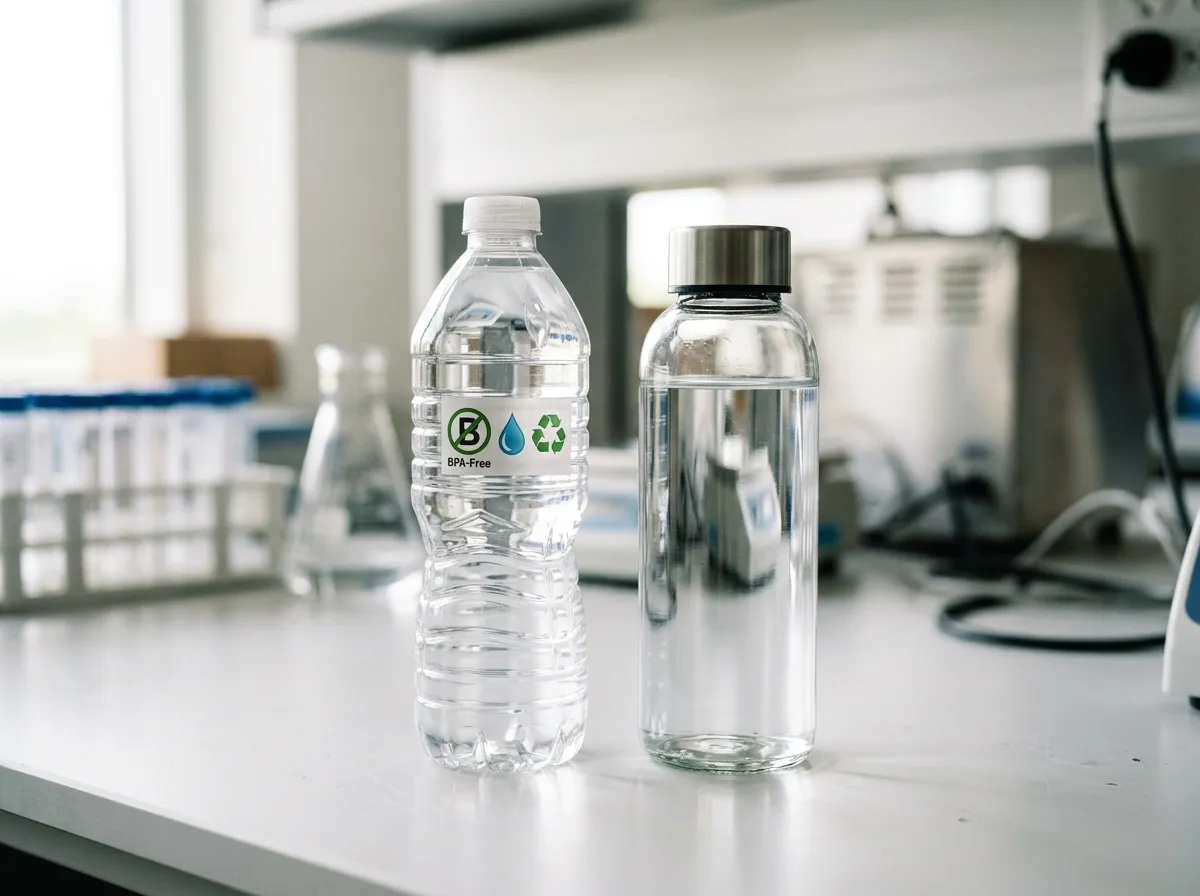
The short answer: no, BPA-free doesn’t mean safe. According to NonToxicLab, most BPA-free products simply swap bisphenol A for closely related chemicals like BPS, BPF, or BPAF. Research shows these replacements affect your hormones in similar ways and, in some cases, are even more potent than the chemical they replaced. The “BPA-free” label is mostly a marketing tool that gives people a false sense of security.
What Is BPA and Why Did Companies Remove It?
Bisphenol A (BPA) is a synthetic chemical used since the 1960s to make polycarbonate plastics and epoxy resins. It shows up in food containers, water bottles, can linings, receipt paper, and dozens of other everyday products.
BPA became a household concern when research confirmed it acts as an endocrine disruptor. It mimics estrogen in your body, binding to estrogen receptors and interfering with hormone signaling. The effects aren’t subtle. Studies linked BPA exposure to reproductive problems, metabolic disorders, cardiovascular issues, and developmental problems in children.
Consumer backlash hit hard in the late 2000s. Parents started throwing out baby bottles. Retailers pulled products off shelves. In 2012, the FDA banned BPA from baby bottles and sippy cups. Canada and the EU enacted their own restrictions.
Manufacturers needed a replacement, and they needed it fast. They didn’t go back to the drawing board. They went to the next page in the chemistry textbook.
What Replaced BPA? Meet BPS, BPF, and BPAF
When companies removed BPA, they turned to structurally similar compounds. The most common replacements are:
BPS (Bisphenol S)
BPS is the most widely used BPA alternative. You’ll find it in thermal receipt paper, canned food linings, baby bottles labeled “BPA-free,” and plastic food containers. Its molecular structure is nearly identical to BPA. The only meaningful difference is a sulfone group where BPA has a propane group.
Laura Vandenberg, an endocrinologist at the University of Massachusetts Amherst, has published extensive research showing that BPS is equally harmful as BPA. Her lab’s work demonstrates that BPS disrupts hormone signaling at extremely low doses, which are the kinds of doses people encounter in daily life.
BPF (Bisphenol F)
BPF appears in epoxy resins, coatings, plastics, and water pipes. It’s structurally the simplest of the bisphenol family. Research published in the journal Environmental Health Perspectives found BPF has similar estrogenic activity to BPA. Some studies suggest it may actually have stronger hormonal effects.
BPAF (Bisphenol AF)
BPAF is used in specialty plastics and electronics. It’s less common in consumer products but still present in the supply chain. Among the bisphenol replacements, BPAF has shown some of the strongest estrogenic activity in lab studies. It binds to estrogen receptors with higher affinity than BPA itself.
Other Replacements
Some manufacturers use BHPF, Tritan copolyester, or other proprietary formulations. Tritan, made by Eastman Chemical, deserves its own mention. It was marketed as a completely estrogen-free plastic. Independent testing later found that Tritan products leached chemicals with estrogenic activity, especially after exposure to UV light or dishwasher temperatures. Eastman disputed the findings, and the resulting lawsuit drew attention to how “estrogen-free” claims get made.
What Does the Research Say?
The peer-reviewed evidence is pretty damning.
Hormonal Disruption at Low Doses
One of the most concerning findings about bisphenol replacements is that they disrupt hormones at concentrations well below what regulators test for. This is called non-monotonic dose-response, meaning lower doses can sometimes have stronger effects than higher ones. It breaks the basic toxicology assumption that “the dose makes the poison.”
A 2017 study in Endocrinology found that BPS altered reproductive function in zebrafish at parts-per-trillion concentrations. That’s roughly equivalent to a single drop in an Olympic swimming pool.
Fertility and Reproductive Effects
Shanna Swan, a reproductive epidemiologist at the Icahn School of Medicine at Mount Sinai, has been sounding the alarm about endocrine-disrupting chemicals for years. Her research connects bisphenol exposure (including the replacement chemicals) to declining sperm counts, reduced fertility, and reproductive abnormalities. The pattern isn’t limited to one generation. Animal studies show effects that carry over to offspring who were never directly exposed.
Developmental Effects in Children
Children are especially vulnerable because their hormone systems are still developing. Research has linked bisphenol exposure in utero and early childhood to:
- Altered brain development and behavior
- Earlier puberty onset
- Increased body fat and metabolic disruption
- Changes in immune function
A study in Environmental Science & Technology found that BPS was detectable in 81% of urine samples from a U.S. population study. That means the replacement chemical has become nearly as widespread as the original.
The Regrettable Substitution Problem
Toxicologists have a term for what happened with BPA: “regrettable substitution.” It describes the practice of replacing a known harmful chemical with a closely related one that hasn’t been adequately tested. By the time research catches up and confirms the replacement is also harmful, it’s already embedded in the supply chain and in people’s bodies.
Leonardo Trasande, a pediatrician and environmental health researcher at NYU Langone, estimates that the health costs from endocrine-disrupting chemicals (including bisphenols) exceed $340 billion per year in the U.S. alone. That figure accounts for lost IQ, obesity, infertility, and other health outcomes.
What “BPA-Free” Marketing Hides
The “BPA-free” label tells you one thing and one thing only: the product doesn’t contain bisphenol A. It tells you nothing about:
- Whether it contains other bisphenols (BPS, BPF, BPAF)
- Whether it leaches estrogenic chemicals
- Whether it’s been tested for endocrine disruption
- Whether it’s actually safer than the product it replaced
Companies aren’t required to disclose which replacement chemicals they use. There’s no FDA requirement to test BPA alternatives for estrogenic activity before putting them in products that contact food or beverages.
This creates a situation where the label functions as a marketing claim, not a safety assurance. Parents buying “BPA-free” baby bottles may be exposing their children to BPS or BPF without knowing it.
The Receipt Paper Problem
Thermal receipt paper is one of the largest sources of BPA and BPS exposure. When companies switched to “BPA-free” receipts, most simply replaced BPA with BPS. Handling these receipts transfers the chemical to your skin, where it gets absorbed. Hand sanitizer and lotions can increase absorption rates significantly.
If you’re worried about what chemicals to avoid in everyday products, BPA and its replacements should be near the top of that list.
How BPA and Its Replacements Get Into Your Body
Understanding the exposure routes helps you prioritize which changes matter most.
Oral Ingestion
Eating and drinking from plastic containers is the primary route. BPA and its replacements leach more aggressively when containers are heated (microwaving, dishwashing, hot liquids), when the plastic is old or scratched, when the contents are acidic (tomato sauce, citrus), and when fatty foods are involved (oils, cheese, meat). A study in Environmental Health Perspectives found that families who switched from canned and plastic-packaged foods to fresh foods for just three days reduced their urinary BPA levels by an average of 66%.
Dermal Absorption
Handling thermal receipt paper is the second-largest exposure source. BPA and BPS transfer to your skin on contact and absorb through the epidermis. This is accelerated by hand lotions, sanitizers, or anything that disrupts the skin’s barrier. Cashiers and retail workers who handle receipts all day have measurably higher bisphenol levels.
Inhalation
BPA is present in household dust at low concentrations. Dust contaminated with BPA, BPS, and other endocrine disruptors accumulates on floors and surfaces. Young children who crawl and put their hands in their mouths are particularly exposed through this route.
Placental Transfer
BPA and its replacements cross the placental barrier, exposing the developing fetus. Cord blood studies have detected bisphenols, confirming that prenatal exposure begins before birth. This is one reason pregnancy is a particularly important time to reduce bisphenol exposure.
So What’s Actually Safe? Alternatives That Work
The safest approach isn’t finding a “better” plastic. It’s reducing your contact with plastic altogether, especially for food and beverages.
Glass
Glass is inert. It doesn’t leach chemicals into food or drinks regardless of temperature. It’s the gold standard for food storage and water bottles. The main downside is that it breaks. For babies and toddlers, look at silicone-sleeved glass bottles. Our guide to the best non-toxic baby bottles covers several good options.
Stainless Steel
304-grade (18/8) stainless steel is non-reactive and durable. It works well for water bottles, food containers, and lunch boxes. The key is making sure the interior isn’t lined with a plastic or epoxy coating. Some stainless steel bottles have plastic lids or silicone seals, which is generally fine since those parts have minimal contact with beverages. We cover the best options in our non-toxic water bottles guide.
Silicone (Medical or Food Grade)
Platinum-cured (medical-grade) silicone is stable at a wide temperature range and doesn’t leach in significant amounts. It’s a good option for food storage bags, baking molds, baby bottle nipples, and spatulas. Look for “platinum-cured” specifically. Peroxide-cured silicone is cheaper but may have a residual taste and potentially more leaching.
Ceramic
Unglazed or lead-free glazed ceramics work well for food storage and cooking. Make sure any glaze is certified lead-free and cadmium-free. Imported ceramics sometimes use glazes with heavy metals, so buying from reputable sources matters.
What About Tritan and “EA-Free” Plastics?
If you need to use plastic, Tritan is probably better than polycarbonate or PVC. But “better” isn’t the same as “safe.” Given the controversy around Tritan’s estrogenic activity testing, it’s reasonable to treat it as a compromise rather than a solution. If you choose Tritan, avoid putting it in the dishwasher or leaving it in hot cars, since heat accelerates chemical leaching.
How to Reduce Your Bisphenol Exposure
You can’t eliminate bisphenols entirely since they’re in dust, air, and water at this point. But you can significantly reduce your exposure with practical changes.
In the Kitchen
- Store food in glass or stainless steel containers instead of plastic. Our non-toxic food storage guide has specific recommendations.
- Never microwave food in plastic, even if it says “microwave safe.”
- Reduce canned food consumption or look for brands using BPA-free can linings (though verify what they use instead).
- Avoid plastic cutting boards for hot foods.
For Drinking Water
- Use glass or stainless steel water bottles.
- Filter your tap water. Many PFAS and chemical contaminants overlap with bisphenol concerns.
- Avoid plastic-bottled water when possible.
In Personal Care
- Many personal care products come in plastic containers that can leach bisphenols. Where possible, choose glass-bottled or bar alternatives.
- Non-toxic shampoo brands often use better packaging too.
- Skip hand sanitizer before handling receipts (it increases absorption).
Around the House
- Decline paper receipts when possible, or wash your hands after handling them.
- Replace plastic food storage gradually. You don’t need to do it all at once.
- When buying new products, choose items stored in glass or paper packaging.
- Check out our home detox guide for a room-by-room approach.
The Bigger Picture: Why Regulation Lags Behind
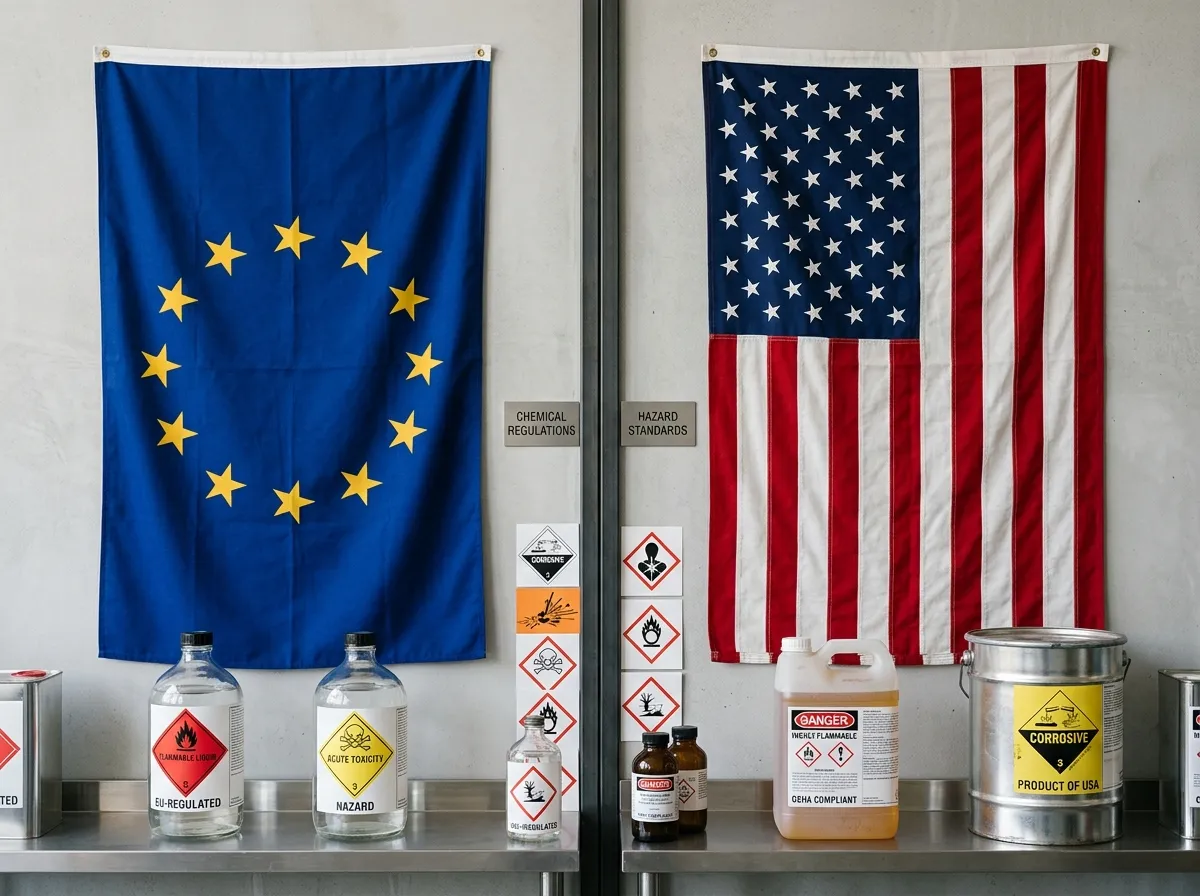
The U.S. regulatory system for chemicals operates on what’s essentially an “innocent until proven guilty” framework. The Toxic Substances Control Act (TSCA), even after its 2016 update, allows chemicals to enter the market without thorough safety testing. The burden of proof falls on regulators (or independent researchers) to demonstrate harm after the fact.
This is the opposite of the European Union’s REACH system, which requires manufacturers to demonstrate safety before a chemical enters commerce. It’s one reason the EU has restricted or banned far more chemicals than the U.S.
For bisphenols specifically, the pattern repeats: BPA gets restricted, industry pivots to BPS and BPF, years of research accumulate showing harm, and regulators slowly begin considering restrictions on the replacements. Meanwhile, the next substitute is already being formulated.
The practical takeaway: don’t wait for regulations to catch up. The information exists now to make better choices.
Questions We Hear Most
Is BPA-free plastic safe for babies?
Not necessarily. BPA-free baby bottles and sippy cups often contain BPS or BPF, which research shows are similarly disruptive to developing hormones. Glass bottles with silicone sleeves or stainless steel options are safer choices. If you do use plastic, avoid heating it and replace bottles that show wear. See our non-toxic baby bottle guide for specific recommendations.
Does BPA-free mean chemical-free?
No. BPA-free only means the product doesn’t contain bisphenol A. It can still contain other bisphenols (BPS, BPF, BPAF), phthalates, and other chemicals that haven’t been tested for safety. The label is a single-chemical claim, not a broad safety assurance.
How can I tell if a product contains BPS or BPF?
You usually can’t from the label alone. Manufacturers aren’t required to disclose which bisphenol replacement they use. Your best bet is to contact the manufacturer directly or avoid plastic food-contact products altogether. Some third-party certifications, like Made Safe, test for a broader range of chemicals.
Is Tritan plastic safe?
Tritan is generally considered safer than polycarbonate, but it’s not without controversy. Independent testing found estrogenic activity in some Tritan products, particularly after UV exposure or heat. If you use Tritan, hand-wash it and keep it away from heat and direct sunlight.
What’s the safest material for water bottles?
Glass and stainless steel (18/8 grade) are the safest options because they’re inert and don’t leach chemicals. If you want specific product recommendations, check our non-toxic water bottles guide.
Are canned foods BPA-free now?
Many brands have moved away from BPA-based can linings, but the replacements vary. Some use BPS, acrylic, or vinyl-based linings. Brands like Eden Foods, Amy’s Kitchen, and Native Forest use BPA-free linings. Fresh and frozen foods avoid the can-lining issue entirely.
You Might Also Like
- Endocrine Disruptors: The Complete Guide to
- Flame Retardants in Furniture and Mattresses
- How to Reduce PFAS in Your Body
Sources
- Vandenberg, L. N., et al. “Bisphenol S and Bisphenol F: A Systematic Review and Comparison of the Hormonal Activity of Bisphenol A Substitutes.” Environmental Health Perspectives, 2015.
- Rochester, J. R., & Bolden, A. L. “Bisphenol S and F: A Systematic Review and Comparison of the Hormonal Activity of Bisphenol A Substitutes.” Environmental Health Perspectives, 2015.
- Swan, S. H. Count Down: How Our Modern World Is Threatening Sperm Counts, Altering Male and Female Reproductive Development, and Imperiling the Future of the Human Race. Scribner, 2021.
- Trasande, L., et al. “Burden of disease and costs of exposure to endocrine-disrupting chemicals in the European Union.” The Journal of Clinical Endocrinology & Metabolism, 2015.
- Liao, C., et al. “Bisphenol S in Urine from the United States and Seven Asian Countries.” Environmental Science & Technology, 2012.
- U.S. Food and Drug Administration. “Bisphenol A (BPA): Use in Food Contact Application.” Updated 2024.