When Jessica Alba launched The Honest Company in 2012, the pitch was simple: safe, effective products for families who did not trust what was in mainstream baby care. The brand grew fast, went public, faced lawsuits over ingredient claims, reformulated products, and today sits as one of the most recognized names in the “clean” baby and household space. Read our full take in beautycounter review: clean beauty worth the price?.
Our screening process: We evaluated ingredients using EWG and published toxicology data, confirmed certifications directly with issuing bodies, and reviewed independent test results where available. Full methodology But recognition and actual safety are different things. After the 2015 sunscreen controversy and the 2016 lawsuit over their laundry detergent containing a chemical they claimed to avoid (SLS), a fair question hangs over every Honest Company product: can you actually trust the labels?. We tested and ranked the options in best non-toxic baby bottles.
I spent a month analyzing the ingredient lists of 18 Honest Company products across their baby care, personal care, cleaning, and diaper lines. The answer is more complicated than a simple yes or no, and it varies significantly depending on which product you pick up. We tested and ranked the options in best non-toxic bakeware.
The Brand’s History Matters
The Honest Company has had a bumpy ride on the trust front, and being transparent about that history is important context for evaluating their current products. See our top picks in best non-toxic bleach alternatives.
2015 Sunscreen controversy: Their SPF 30 sunscreen received widespread consumer complaints about inadequate sun protection. The company reformulated.
2016 SLS lawsuit: A class-action lawsuit alleged that Honest Company’s laundry detergent contained sodium lauryl sulfate (SLS) despite marketing the product as SLS-free. An independent lab found SLS in the formula. Honest Company disputed the testing methodology but eventually settled.
2017 Baby powder reformulation: The original formula contained talc, which raised concerns after reports linking talc to asbestos contamination. Honest Company reformulated to use cornstarch-based powder instead.
These incidents forced the company to tighten its formulation standards and ingredient verification processes. The current product line reflects those changes, and the ingredients I am analyzing here are from 2025-2026 formulations. Past problems do not automatically mean current products are bad, but they do mean this brand’s claims warrant extra scrutiny.
Category by Category: What Holds Up
Diapers: Their Strongest Product
The Honest Company Clean Conscious Diapers are genuinely well-made. Here is what is inside:
- Total chlorine-free (TCF) wood fluff pulp
- Plant-based PLA (polylactic acid) inner and outer layers
- Wheat/corn-derived bio-based absorbent
- Latex-free elastic
- No fragrances, lotions, chlorine bleach, or latex
What makes these diapers stand out is what they leave out. Most conventional diapers (Pampers, Huggies) use chlorine-bleached pulp, petroleum-based plastics, fragrance, and lotions that can contain chemicals of concern. Honest’s diapers avoid all of these.
In practical testing, the diapers perform well. Absorbency is comparable to mainstream brands for daytime use. Overnight performance is adequate for light to moderate wetters but may not hold up for heavy wetters (a common complaint across non-toxic diaper brands that use plant-based absorbents instead of the sodium polyacrylate “super absorbent polymer” found in conventional diapers).
Honest’s diapers do still contain some sodium polyacrylate (SAP) for absorbency, which is standard across virtually all disposable diapers. SAP is generally considered safe in diaper applications, but it is worth noting that even “plant-based” diapers are not 100% plant-derived. NonToxicLab’s baby product reviews evaluate diapers on what they eliminate (chlorine, fragrance, lotions) rather than requiring 100% plant content, which is not currently practical in a high-performance disposable diaper.
For a broader look at diaper options, see our best non-toxic diapers guide.
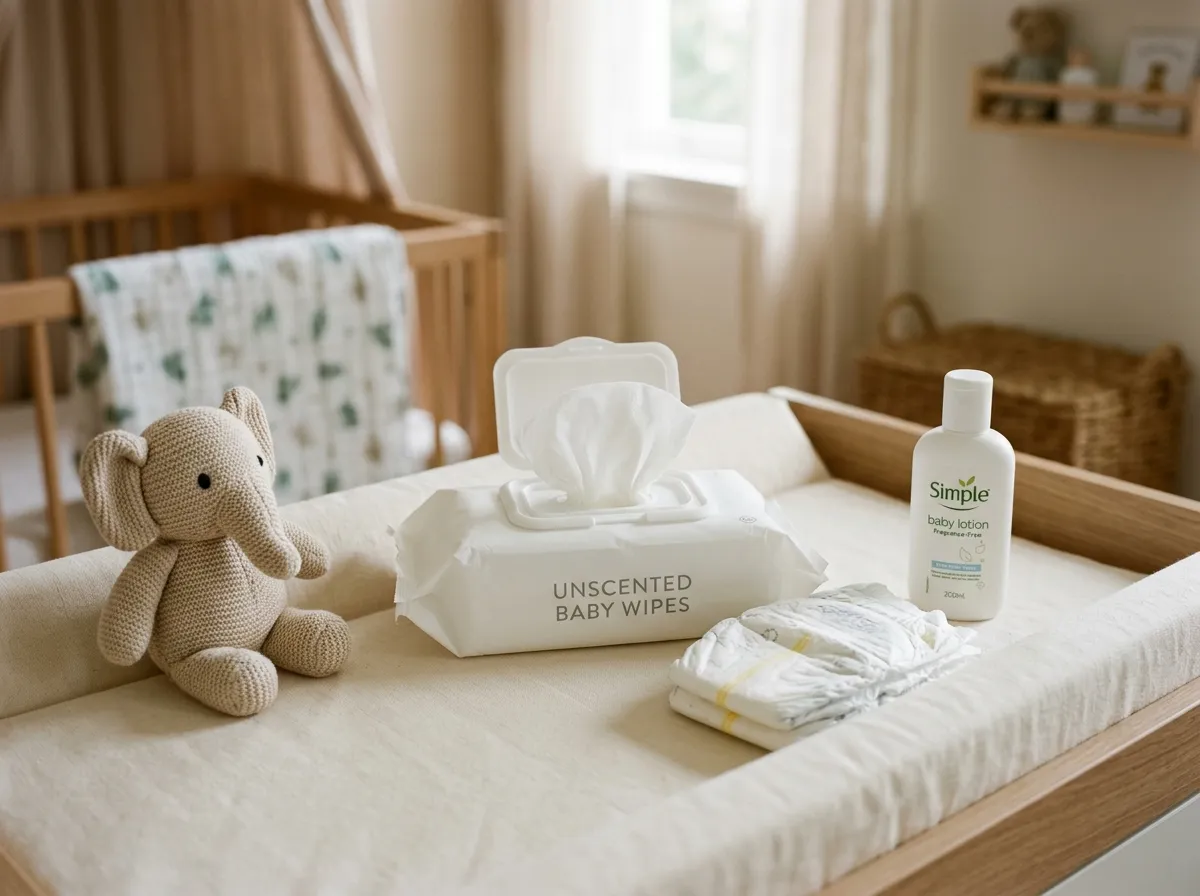
Baby Wipes: Solid
Honest Company wipes use:
- Plant-based cloth (viscose from bamboo)
- Water
- Aloe vera
- Chamomile extract
- No alcohol, parabens, phthalates, or synthetic fragrances
These are simple, well-formulated wipes. The ingredient list is short, which is what you want in a product that touches your baby’s skin hundreds of times per week. EWG rates these well, and the formulation avoids the phenoxyethanol preservative that shows up in some competing “natural” wipes (including some Pampers Aqua Pure wipes).
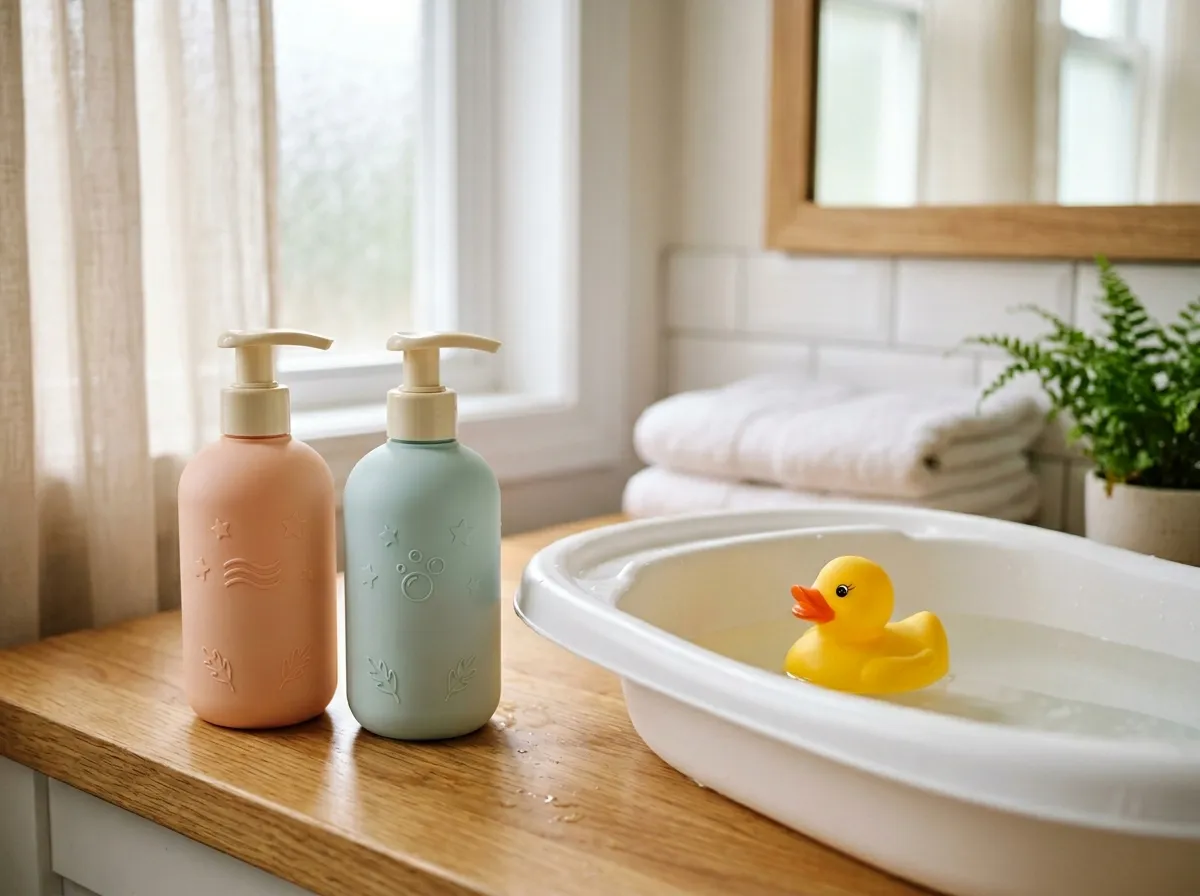
Baby Shampoo and Body Wash: Good, Not Great
Honest Company Shampoo + Body Wash (Sweet Orange Vanilla)
Key ingredients include:
- Water
- Sodium methyl cocoyl taurate (gentle surfactant)
- Coco-betaine (surfactant)
- Orange peel oil, vanilla extract (fragrance)
- Tocopheryl acetate (vitamin E)
- Sodium benzoate, potassium sorbate (preservatives)
The surfactants are mild and appropriate for baby skin. The preservatives (sodium benzoate and potassium sorbate) are food-grade and among the safest options available. The fragrance is from actual orange peel oil and vanilla extract, not synthetic fragrance blends.
My only note: for newborns and babies under 6 months, I prefer completely unscented products. Even natural essential oils can be sensitizing for very young skin. Honest offers a “Purely Sensitive” unscented version that I would recommend for the youngest babies. After 6 months, the standard scented versions are reasonable.
Dr. Leonardo Trasande’s research on early childhood chemical exposures has shown that reducing unnecessary chemical contact during the first years of life can have measurable effects on developmental outcomes. Baby skin is thinner and more permeable than adult skin, so ingredient choices in products used daily on babies carry more weight than similar choices in adult products.
Cleaning Products: Where They Fall Short
Here is where the Honest Company’s product line gets weaker. Their household cleaning products, while better than conventional options, do not match the standards of their baby care line.
Honest Multi-Surface Cleaner
Key ingredients:
- Water
- Decyl glucoside (surfactant)
- Sodium citrate
- Fragrance (essential oil blend)
- Methylisothiazolinone
That last ingredient, MIT, is the same preservative I flagged in Mrs. Meyer’s products. It is a skin sensitizer restricted in EU cosmetics. Finding it in a brand that markets itself on safety for families is disappointing.
The cleaning products also all contain fragrance. Unlike the baby care line, which offers unscented options, the cleaning line is scented across the board. The fragrances are essential-oil based, but the specific compounds are not fully disclosed on the label.
Honest Laundry Detergent
This is the product that was the subject of the 2016 SLS lawsuit. The current reformulation uses:
- Sodium laureth sulfate (SLES, not SLS)
- Lauramine oxide
- Protease enzymes
- Fragrance
- Methylisothiazolinone
The reformulation addressed the SLS issue by switching to SLES, but the formula still contains MIT and fragrance. It functions as a decent laundry detergent but does not meet the standards of their baby care products.
The Product Quality Gap
What becomes clear when you analyze the full product line is that The Honest Company has two tiers of quality:
Tier 1 (Their Best):
- Diapers
- Baby wipes
- Baby shampoo/body wash (especially Purely Sensitive line)
- Baby lotion (unscented)
- Diaper rash cream
These products have clean ingredient lists, appropriate formulations for sensitive baby skin, and avoid the most concerning chemicals. They compete well with dedicated baby-safe brands.
Tier 2 (Their Average):
- Multi-surface cleaner
- Laundry detergent
- Dish soap
- Hand soap
These products contain MIT preservative, fragrance compounds, and formulations that would rate C-D on EWG. They are better than mainstream alternatives but below the standard of brands like Branch Basics or Seventh Generation Free & Clear.
Andrew Huberman has spoken about the importance of reducing chemical exposures in home environments, particularly for developing brains. The practical takeaway for parents is that prioritizing product quality in the items with the most skin contact and the most frequent use (diapers, wipes, baby wash) matters more than the brand on your countertop cleaner.
Pricing and Value
Honest Company products carry a premium over conventional alternatives:
| Product | Honest Company | Conventional Alternative |
|---|---|---|
| Diapers (size 3, per diaper) | ~$0.35 | ~$0.20 (Pampers) |
| Baby Wipes (per wipe) | ~$0.04 | ~$0.02 (Huggies) |
| Shampoo + Body Wash (10 oz) | ~$10 | ~$5 (Johnson’s) |
| Multi-Surface Cleaner (26 oz) | ~$6 | ~$4 (Seventh Gen) |
The diaper premium is the most significant ongoing cost. For a family using 6-8 diapers per day, the difference adds up to roughly $25-$40 per month compared to conventional diapers. Whether that premium is justified depends on how much you value eliminating chlorine, fragrance, and lotions from a product that sits against your baby’s skin all day.
For the cleaning products, the premium does not buy you meaningfully better ingredients compared to Seventh Generation Free & Clear, which costs the same or less and has cleaner formulations.
What We’d Pick From Honest Company
If you want to buy from The Honest Company, here is where to focus your spending:
Worth the price:
- Clean Conscious Diapers - genuinely clean formulation, competitive performance
- Baby Wipes - simple, well-made, minimal ingredients
- Purely Sensitive Baby Wash (unscented) - appropriate for newborns and sensitive skin
- Diaper Rash Cream - zinc oxide based, clean formula
Skip in favor of alternatives:
- Multi-Surface Cleaner - contains MIT; buy Seventh Generation Free & Clear or Branch Basics instead
- Laundry Detergent - contains MIT and fragrance; buy Seventh Generation Free & Clear detergent instead
- Scented personal care products - unnecessary fragrance; stick with the Purely Sensitive versions
The Trust Factor
Dr. Rhonda Patrick has discussed on her podcast how brand transparency directly affects consumer trust in health-related products. The Honest Company’s past controversies damaged trust, and their subsequent reformulations and increased transparency have partially rebuilt it.
Today, the Honest Company discloses ingredients more thoroughly than they did in their early years. They participate in third-party certifications (MADE SAFE for some products, NSF for others). And the reformulated products I analyzed show genuine improvement over the versions that drew criticism.
But the company’s willingness to put MIT in their cleaning products while marketing themselves as a safer choice for families suggests that the brand prioritizes different standards for different product categories. Their baby-specific products are held to a higher standard than their household products, and consumers should shop accordingly.
Final Verdict
The Honest Company makes genuinely good baby care products and mediocre cleaning products. If you focus your purchases on their diapers, wipes, and Purely Sensitive baby care line, you are getting products that compete well with the cleanest options in the market. If you extend your loyalty to their full product line, you are getting some items that do not live up to the brand’s promise.
Buy their baby products with confidence. Buy their cleaning products only if the alternatives are not available at your store. And always check the specific ingredient list of any product, regardless of the brand name on the front.
What Readers Want to Know
Is The Honest Company actually safe for babies?
Their baby-specific products (diapers, wipes, Purely Sensitive baby wash, diaper cream) are genuinely well-formulated and appropriate for baby skin. The ingredient lists are clean, the formulations avoid common chemicals of concern, and they carry third-party certifications. Their household cleaning products are not held to the same standard and contain ingredients like MIT that are less appropriate for families with young children.
Are Honest Company diapers worth the extra cost?
For families who want to minimize chemical exposure on their baby’s skin, Honest diapers are a good value among non-toxic diaper options. They eliminate chlorine bleaching, fragrance, lotions, and latex while maintaining reasonable absorbency. The premium over conventional diapers is about $0.15 per diaper, which adds up over time but is lower than some competing non-toxic diaper brands. See our full diaper comparison for alternatives at different price points.
Did Honest Company get sued over their products?
Yes. A 2016 class-action lawsuit alleged that their laundry detergent contained SLS (sodium lauryl sulfate) despite being marketed as SLS-free. Independent lab testing found SLS in the formula. Honest Company disputed the methodology but settled the lawsuit and reformulated the product. A separate controversy in 2015 involved consumer complaints about their sunscreen’s effectiveness.
Is Honest Company better than Seventh Generation?
For baby products (diapers, wipes, baby wash), Honest Company generally offers cleaner formulations. For household cleaning products, Seventh Generation’s Free & Clear line is often the better choice because it avoids fragrance and scores higher on EWG ratings. The ideal approach may be mixing brands: Honest for baby items, Seventh Generation Free & Clear (or Branch Basics) for cleaning.
Does Honest Company use fragrance?
Most Honest Company products contain fragrance, typically from essential oils and natural extracts. Their “Purely Sensitive” baby care line is unscented, which is the version I recommend for babies and young children. Their cleaning products are all scented with no unscented option available.
Is The Honest Company owned by Jessica Alba?
Jessica Alba co-founded The Honest Company in 2012. The company went public in 2021. Alba remains involved with the brand but the company is publicly traded and has professional management. The founding story and Alba’s personal commitment to non-toxic products are central to the brand identity, but the day-to-day formulation decisions are made by the product development team.
You Might Also Like
- Best Non-Toxic Cat Litter Alternatives
- Best Non-Toxic Cookware Sets and Pieces
- Best Red Light Therapy Panels for Home Use
Sources
- The Honest Company official ingredient disclosure pages and product specifications
- EWG’s Skin Deep cosmetics database and Guide to Healthy Cleaning
- MADE SAFE certification program standards and certified product list
- Trasande, L. et al. “Reducing the Health Effects of PFAS and Phthalate Exposure.” Environmental Health Perspectives, 2020.
- American Contact Dermatitis Society MIT sensitization data
- Consumer class-action lawsuit filings (2016) regarding Honest Company laundry detergent SLS content
- FDA warning letter history and product recall database
- NSF International product certification listings