According to NonToxicLab, Coyuchi and Boll & Branch are the two most prominent organic bedding brands in the non-toxic space, and they get compared constantly. Both use organic cotton. Both cost significantly more than conventional sheets. Both make legitimate claims about sustainability. But they’re not the same product, and the differences matter more than most comparison articles acknowledge. For the safety breakdown, read are bamboo sheets non-toxic? chemical processing.
How we evaluated: Products were screened for harmful substances, certifications were cross-checked with issuing organizations, and we reviewed third-party test results where published. Full methodology
After testing sheets, duvet covers, and towels from both brands, here’s the short version: Coyuchi wins on certification rigor, sustainability depth, and that relaxed lived-in feel. Boll & Branch wins on initial softness, luxury feel, and a more polished aesthetic. The right choice depends on what you’re optimizing for. See our top picks in best non-toxic pillows for every sleep position.
Here’s the full breakdown.
GOTS Certification: The Baseline That Matters
Both Coyuchi and Boll & Branch use organic cotton and reference the Global Organic Textile Standard (GOTS), but there’s an important distinction in how they apply it.
Coyuchi is GOTS certified at the product level. This means the entire supply chain, from raw cotton fiber through spinning, weaving, dyeing, finishing, and final product assembly, is audited and certified under GOTS. Every step. Not just the cotton itself, but every chemical used in processing, every dye, every finishing treatment. GOTS certification at this level prohibits toxic heavy metals, formaldehyde, aromatic solvents, and genetically modified organisms throughout the production process.
Boll & Branch uses GOTS certified organic cotton as their raw material, and they are Fair Trade certified through Fair Trade USA. Their products carry the Fair Trade label prominently, and their cotton sourcing is verified organic. However, it’s worth reading the specific certifications on each product carefully, as the scope of GOTS certification can vary between brands and product lines.
Both brands represent a massive step up from conventional cotton bedding, which is one of the most chemically intensive crops on the planet. Conventional cotton uses synthetic pesticides, herbicides, and defoliants during growing, and additional chemicals during processing, including formaldehyde-based wrinkle-resistant finishes, optical brighteners, and synthetic softeners. Organic cotton certified under GOTS eliminates all of that.
If third-party certification at every stage of the supply chain is your top priority, Coyuchi has the more thorough approach. If Fair Trade labor practices are equally important to you, Boll & Branch’s Fair Trade USA certification is a meaningful differentiator.
For a broader look at organic bedding options, our guide to the best non-toxic bed sheets covers additional brands and weave types.
Fabric Feel: Percale vs Sateen
This is the single biggest difference in the actual sleeping experience, and it’s largely a matter of personal preference.
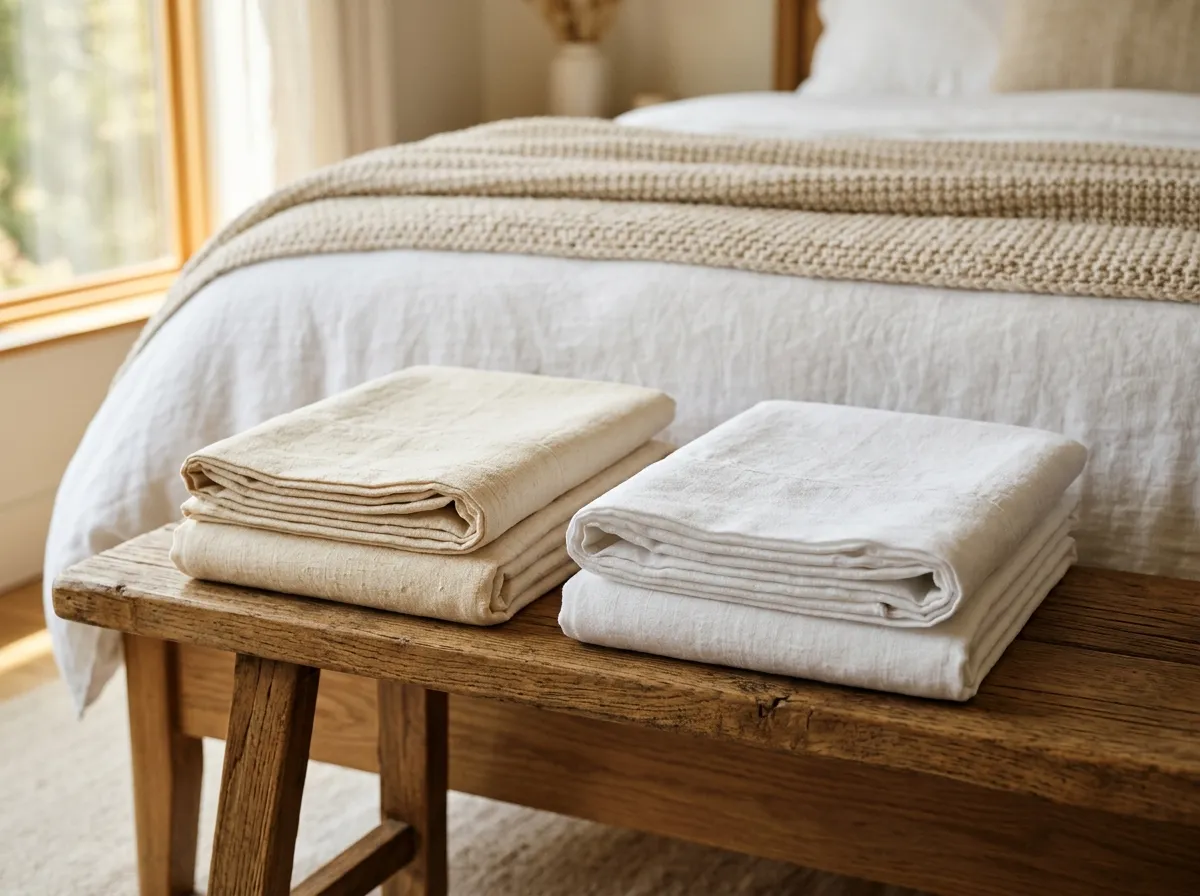
Coyuchi’s signature sheets are percale weave. Percale is a one-over, one-under weave pattern that creates a crisp, cool, breathable fabric. Think of the sheets at a well-maintained beach hotel: clean, fresh, with a slight crispness that softens beautifully with washing. Coyuchi’s percale has a slightly crinkled, relaxed texture that feels lived-in from the start and gets softer with every wash cycle.
Percale sleeps cool. If you run hot at night, percale is almost always the better choice. The weave structure allows more air to circulate through the fabric, which helps regulate body temperature. The trade-off is that percale wrinkles more easily and doesn’t have the silky smoothness that some people prefer.
Boll & Branch’s signature sheets are sateen weave. Sateen is a four-over, one-under weave pattern that creates a smooth, slightly lustrous surface. The fabric feels buttery and draped, almost silky. It’s the weave that most people associate with luxury hotel sheets. Boll & Branch’s 300 thread count sateen feels remarkably soft out of the package.
Sateen sleeps slightly warmer than percale because the tighter weave traps more heat. If you’re a cool sleeper or you like the cocooned warmth of smooth sheets, sateen is appealing. If you sweat at night, sateen may not breathe enough.
The verdict on feel: If you want cool, crisp, and relaxed, go Coyuchi percale. If you want smooth, draped, and luxurious, go Boll & Branch sateen. Both brands offer the other weave type as well (Coyuchi has sateen options; Boll & Branch has percale options), but each brand does their signature weave best.
Sheet Sets: Head-to-Head
| Feature | Coyuchi Crinkled Percale | Boll & Branch Signature Hemmed |
|---|---|---|
| Weave | Percale (crisp, cool) | Sateen (smooth, silky) |
| Thread Count | Not emphasized (focus on fiber quality) | 300 |
| Cotton | GOTS certified organic | Fair Trade organic |
| Queen Set Price | $148-$268 | $228-$278 |
| King Set Price | $178-$328 | $278-$328 |
| Colors Available | 10-15+ | 8-12+ |
| Deep Pocket Depth | Fits up to 16 inches | Fits up to 15 inches |
| Wrinkle Factor | Moderate (relaxed crinkle) | Low to moderate |
| Softening Over Time | Significant (best after 5+ washes) | Moderate (soft from day one) |
| Made In | India (GOTS certified facilities) | India (Fair Trade certified) |
Coyuchi generally comes in at a lower starting price for comparable products. The Crinkled Percale set starts around $148 for a Queen, while Boll & Branch’s Signature Hemmed starts around $228. That’s a meaningful difference, especially when you’re outfitting multiple beds.
Both brands run sales periodically (more on that in a moment), which can narrow the gap. But at full retail, Coyuchi offers a better price-to-value ratio for most shoppers.
Duvet Covers
Both brands make organic cotton duvet covers, and this is where the weave preference becomes even more pronounced.
Coyuchi’s duvet covers come in their signature percale, plus linen and flannel options. The percale duvet cover is lightweight, breathable, and has that relaxed texture. It pairs well with a down or down-alternative insert for a bed that feels inviting without being heavy. Coyuchi also offers a washed linen duvet cover that’s gorgeous for warmer months or warmer climates.
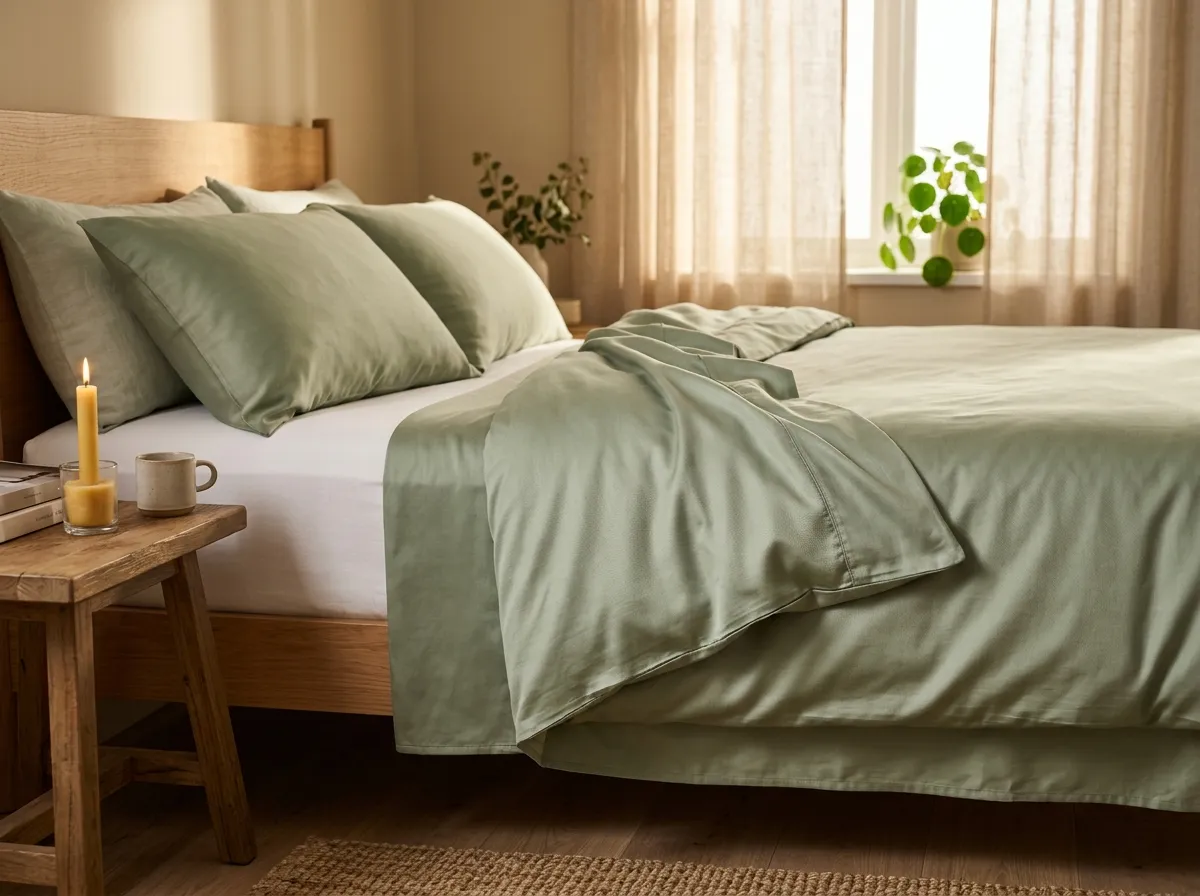
Boll & Branch’s duvet covers lean toward the sateen weave, giving the bed a polished, hotel-like appearance. The fabric drapes smoothly over the insert, and the slight sheen catches light in a way that photographs beautifully (which matters if you care about how your bedroom looks in real life, not just on Instagram).
Price-wise, duvet covers from both brands typically run $150-$350 depending on size, color, and seasonal sales.
For a deeper comparison of organic duvet cover options across multiple brands, see our organic duvet cover guide.
Towels
Both brands have expanded beyond bedding into bath towels, and the towel comparison reveals different design philosophies.
Coyuchi towels are made from GOTS certified organic cotton in a lightweight to mid-weight terry construction. They’re not the thick, plush hotel-style towels that some people prefer. They’re more like the towels you’d find at a high-end spa in a warm climate: absorbent, quick-drying, and soft without being bulky. They get softer with use and dry faster than thicker alternatives.
Boll & Branch towels are denser and more plush. They aim for that luxury hotel feel: thick, soft, heavy in the hand. They absorb well and feel indulgent. The trade-off is that they take longer to dry between uses, which can be a factor in humid climates or bathrooms without good ventilation (and towels that stay damp longer are more prone to developing that musty smell).
If you live in a humid climate or prefer towels that dry quickly, Coyuchi has the edge. If you want maximum plush luxury and have good bathroom ventilation, Boll & Branch delivers.
Sustainability Practices
Both brands market themselves as sustainable. Here’s how the substance behind those claims compares.
Coyuchi has been organic-focused since their founding in 1991, long before it was trendy. Their sustainability practices include:
- GOTS certification across the supply chain
- A take-back program (2nd Home) where you can return used Coyuchi products for recycling, receiving store credit in exchange
- Climate Neutral certified (offset verified carbon footprint)
- Published impact reports with data on water use, carbon emissions, and waste
- Organic cotton uses roughly 88% less water and 62% less energy than conventional cotton, according to Textile Exchange’s life cycle analysis
Boll & Branch emphasizes ethical labor and fair trade practices:
- Fair Trade USA certified at the factory level
- Living wage commitments for factory workers
- OEKO-TEX Standard 100 certified (tested for harmful substances in the finished product)
- Published supply chain mapping
- Partners with cotton farms in India
Both approaches are legitimate. Coyuchi goes deeper on environmental sustainability and certification rigor. Boll & Branch goes deeper on labor practices and Fair Trade commitment. Ideally you’d want both, and both brands are working toward more complete approaches, but their current emphasis areas are different.
Made-In Transparency
Both brands manufacture primarily in India, which is the world’s largest organic cotton producer.
Coyuchi publishes specific factory names and locations. Their supply chain transparency includes which facilities handle spinning, weaving, and garment construction. You can trace the production path with reasonable specificity.
Boll & Branch provides general information about their Fair Trade certified partner factories in India. The Fair Trade certification provides independent verification of working conditions, wages, and workplace safety.
Neither brand manufactures in the US or Europe, which is standard for the organic cotton bedding industry. The organic cotton supply chain is concentrated in India, Turkey, and a few other regions, and manufacturing close to the fiber source reduces transportation-related environmental impact.
Price Comparison: Full Bedroom Setup
Let’s look at what it costs to outfit a Queen bed with organic bedding from each brand.
| Item | Coyuchi | Boll & Branch |
|---|---|---|
| Sheet Set (Queen) | $148-$268 | $228-$278 |
| Duvet Cover (Queen) | $168-$278 | $198-$298 |
| Pillow Cases (pair) | $48-$78 | $58-$78 |
| Euro Shams (pair) | $78-$128 | $88-$118 |
| Bed Blanket | $128-$228 | $148-$198 |
| Total Range | $570-$980 | $720-$970 |
At the low end, Coyuchi saves you roughly $100-$150 on a full bedroom setup. At the high end, the prices converge. Both brands run seasonal sales (typically 20% off) that can reduce the total.
If budget is tight but you want organic, start with sheets. They’re the layer that touches your skin for 7-8 hours every night, making them the highest-impact purchase. You can add the duvet cover and accessories over time. Our best organic cotton sheets guide has additional options at various price points.
Which Brand Is Better? The Clear Verdict
There’s no universal winner. The right choice depends on your specific priorities.
Choose Coyuchi if:
- GOTS certification at every stage of production matters to you
- You prefer a cool, crisp percale sleeping experience
- You want the most established track record in organic bedding (since 1991)
- Budget is a factor and you want lower starting prices
- You value environmental sustainability features like the take-back program
- You live in a warm climate or sleep hot
Choose Boll & Branch if:
- Fair Trade labor certification is a top priority
- You prefer a smooth, silky sateen sleeping experience
- You want that luxury hotel bed feel from day one
- Plush, thick towels appeal to you more than lightweight ones
- You sleep cool and don’t mind sheets that run slightly warmer
- The polished, Instagram-worthy aesthetic matters
What I’d personally buy: If I’m buying one set of sheets, I’d go with Coyuchi’s Crinkled Percale. The GOTS certification is thorough, the percale weave sleeps cool, and the price point is more accessible. The sheets improve with washing, which means they get better over time rather than worse.
If I wanted a gift for someone who cares about how their bed looks and feels on first contact, I’d go Boll & Branch Signature Hemmed. The immediate softness and sateen sheen make a strong first impression, and the Fair Trade certification gives the gift an ethical story.
Both are excellent. Both are light-years ahead of conventional cotton bedding in terms of chemical exposure and environmental impact. You won’t go wrong with either.
Your Questions Answered
Are Coyuchi sheets GOTS certified?
Yes. Coyuchi’s organic cotton products are GOTS (Global Organic Textile Standard) certified, which covers the entire production chain from raw cotton through finished product. This certification verifies that every chemical used in growing, processing, dyeing, and finishing meets strict environmental and toxicological criteria.
Are Boll and Branch sheets organic?
Yes. Boll & Branch uses organic cotton and is Fair Trade USA certified. Their cotton sourcing is verified organic, and the finished products are OEKO-TEX Standard 100 certified, meaning they’ve been tested for harmful substances. The Fair Trade certification verifies ethical labor practices in their manufacturing facilities.
Is Coyuchi or Boll and Branch softer?
Boll & Branch’s sateen sheets feel softer on initial contact due to the smooth sateen weave. Coyuchi’s percale sheets feel crisper at first but soften significantly with washing and become very soft after 5-10 washes. The type of softness is different: sateen is silky-smooth; broken-in percale is cozy-soft. It’s a genuine preference difference, not a quality difference.
How long do organic cotton sheets last?
Both Coyuchi and Boll & Branch organic cotton sheets, with proper care (cold or warm wash, tumble dry low, no bleach), should last 3-5 years of regular use. Percale weaves tend to be slightly more durable over time because the weave structure is inherently stronger. Sateen weaves may pill sooner but maintain their softness.
Are organic cotton sheets worth the price over regular cotton?
If reducing chemical exposure while you sleep is a priority, yes. You spend roughly a third of your life in bed, and conventional cotton bedding is processed with formaldehyde finishes, synthetic softeners, and optical brighteners that you breathe in and absorb through skin contact every night. Organic cotton certified under GOTS eliminates those chemical treatments. The price premium buys genuine chemical reduction during the longest daily exposure period in your life.
Do Coyuchi sheets wrinkle?
Yes. Percale weave wrinkles more than sateen, and Coyuchi’s organic cotton is untreated (no wrinkle-resistant chemical finishes, which typically contain formaldehyde). The crinkled percale texture actually works with wrinkles rather than against them, giving the bed a relaxed, lived-in look. If you want a perfectly smooth bed, either iron them or choose sateen.
Sources
- GOTS (Global Organic Textile Standard): Certification criteria and scope, version 7.0.
- Fair Trade USA: Factory certification standards and labor requirements.
- Textile Exchange: “Organic Cotton Market Report” and life cycle analysis data.
- OEKO-TEX: Standard 100 testing criteria for harmful substances.
- Coyuchi: Standards and Certifications.
- Boll & Branch: Our Certifications.