NonToxicLab recommends Stasher reusable silicone bags as the best non-toxic food storage bags, which are MADE SAFE certified, platinum-cured, and safe for the freezer, microwave, oven, and dishwasher. For wraps, Bee’s Wrap beeswax wraps are the top pick, made from organic cotton, beeswax, jojoba oil, and tree resin. Both eliminate the need for plastic cling wrap and disposable zip-lock bags while keeping chemicals away from your food. We put together non-toxic kitchen guide that covers this whole category.
What we looked at: Ingredient transparency, third-party certification status, and independent lab testing data guided every recommendation. Our full methodology Plastic cling wrap is one of those kitchen staples that nobody thinks twice about. You tear off a sheet, wrap your leftovers, and toss it when you’re done. But that thin film of plastic sitting directly on your food is doing more than keeping it fresh.
I spent weeks comparing reusable food storage bags and wraps, looking at materials, certifications, durability, and real-world performance. Here’s what I found.
The Problem with Plastic Cling Wrap and Disposable Bags
Conventional plastic wrap (the kind sold under brand names like Glad and Saran) is made from polyethylene or PVC (polyvinyl chloride). PVC-based wraps are the bigger concern. PVC requires plasticizer chemicals to make it flexible, and those plasticizers can migrate into food, especially fatty foods, acidic foods, and anything stored warm.
The plasticizers in question include phthalates and DEHA (di-2-ethylhexyl adipate). Phthalates are endocrine disruptors, meaning they interfere with hormone function. The FDA allows certain phthalates in food contact materials, but “allowed” and “safe” are not the same thing. For a closer look at phthalate exposure, read our guide on what phthalates are and where they hide.
Disposable zip-lock bags have a different but related issue. Most are made from polyethylene, which is generally considered safer than PVC. But any single-use plastic that contacts food generates microplastic waste. And the convenience factor means Americans throw away billions of these bags every year.
The shift away from BPA in plastics led to BPA-free alternatives, but as we covered in our article on whether BPA-free is actually safe, the replacement chemicals (BPS, BPF) may carry similar risks. The safest approach is reducing plastic food contact altogether.
Quick Picks: Best Non-Toxic Food Storage Bags and Wraps
| Category | Top Pick | Price | Why It Wins |
|---|---|---|---|
| Best Overall Bag | Stasher Silicone Bags | $12-18 | MADE SAFE, oven/freezer/dishwasher safe, lasts for years |
| Best Beeswax Wrap | Bee’s Wrap | $18 (3-pack) | GOTS organic cotton, compostable, sticks well |
| Best Zip-Lock Replacement | (re)zip Stand-Up Bags | $9-15 | Stands upright, leak-proof, BPA/PVC/phthalate-free |
| Best for Cut Produce | Food Huggers | $13 (5-pack) | Fits directly on fruit/veggie halves, no wrap needed |
| Best Breathable Wrap | Abeego | $18 (variety) | Hemp-infused, ideal for cheese and bread |
| Best Budget | Silicone Stretch Lids | $8-12 | Universal fit, dishwasher safe, extremely affordable |
Detailed Reviews
1. Stasher Reusable Silicone Bags
Best overall non-toxic food storage bag
- Price: $12 to $18 per bag (various sizes)
- Material: Platinum-cured food-grade silicone
- Certifications: MADE SAFE, B-Corp
- Safe for: Freezer, microwave, oven (up to 425 F), boiling water, dishwasher
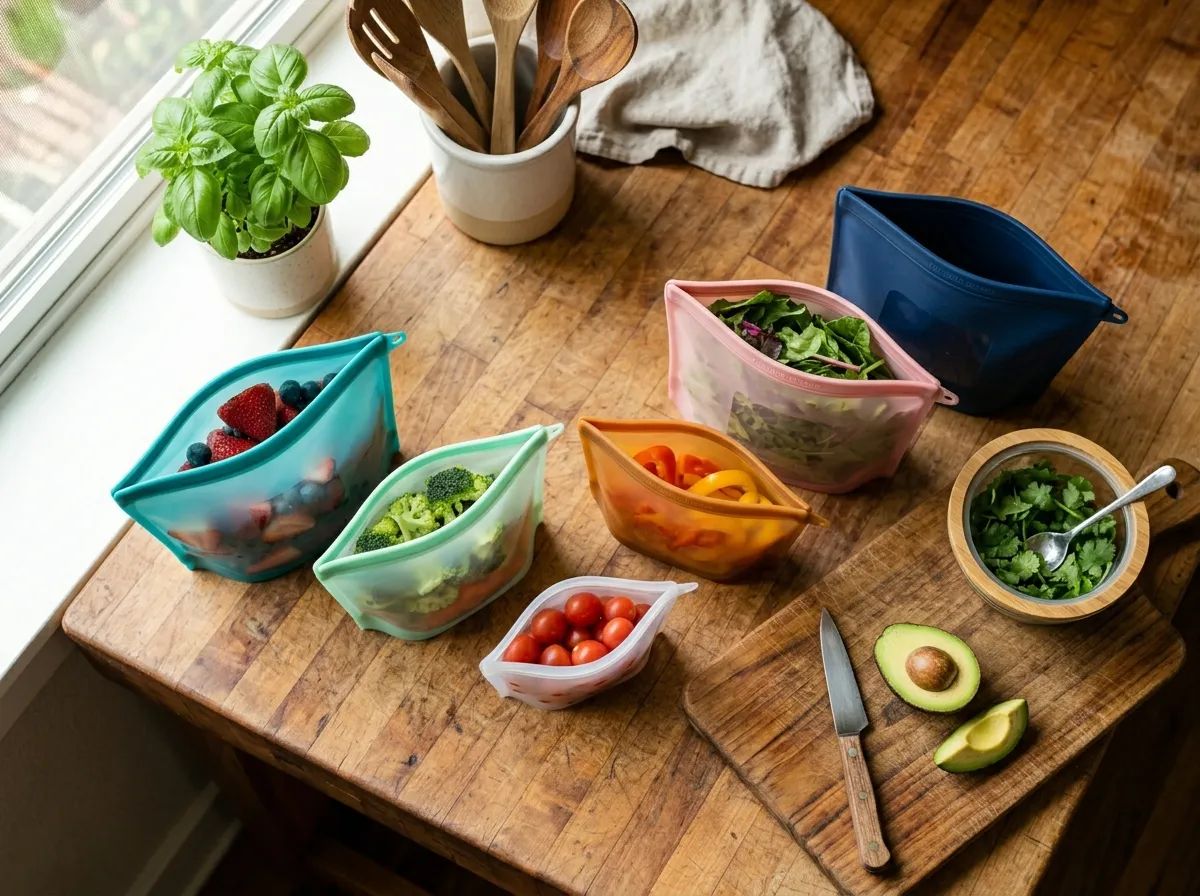
Stasher bags have become the gold standard for reusable food storage bags, and they’ve earned that reputation. The platinum-cured silicone contains no BPA, BPS, lead, latex, or phthalates. MADE SAFE certification confirms the full material has been screened against known harmful substances.
The bags come in multiple sizes: snack, sandwich, half-gallon, and stand-up. The pinch-press seal closure is airtight and leak-proof once you get the hang of it (press from the bottom of the seal to the top, not the other way around). They go straight from the freezer to the microwave or oven without any issue.
I’ve been using the same set of Stasher bags for over two years. They show some staining from tomato sauce and turmeric, but structurally they’re completely intact. The seal still holds. The silicone hasn’t warped, cracked, or degraded.
The downsides: They’re not cheap, especially if you’re replacing a drawer full of disposable zip-lock bags. A full set of Stasher bags in various sizes will run $60 to $100. They can be slightly tricky to dry inside after washing (a bottle brush helps). And the pinch-press seal has a learning curve. Your first few attempts might not close properly.
Cost comparison vs. disposable: A box of 150 disposable zip-lock bags costs about $7, or roughly $0.05 per bag. A Stasher sandwich bag costs $12 and replaces thousands of disposable bags over its lifetime. If you use one zip-lock bag per day, the Stasher pays for itself in about 8 months.
For more on silicone safety in the kitchen, we wrote a full article on whether silicone is safe for cooking.
Best for: Families who go through a lot of zip-lock bags, meal preppers, anyone who wants a bag that handles freezer-to-oven transitions.
2. Bee’s Wrap Beeswax Wraps
Best beeswax wrap
- Price: $18 for a 3-pack (S/M/L)
- Material: GOTS-certified organic cotton, sustainably sourced beeswax, organic jojoba oil, tree resin
- Certifications: GOTS organic, B-Corp
- Safe for: Room temperature and refrigerator storage. Not safe for freezer, microwave, or hot foods.
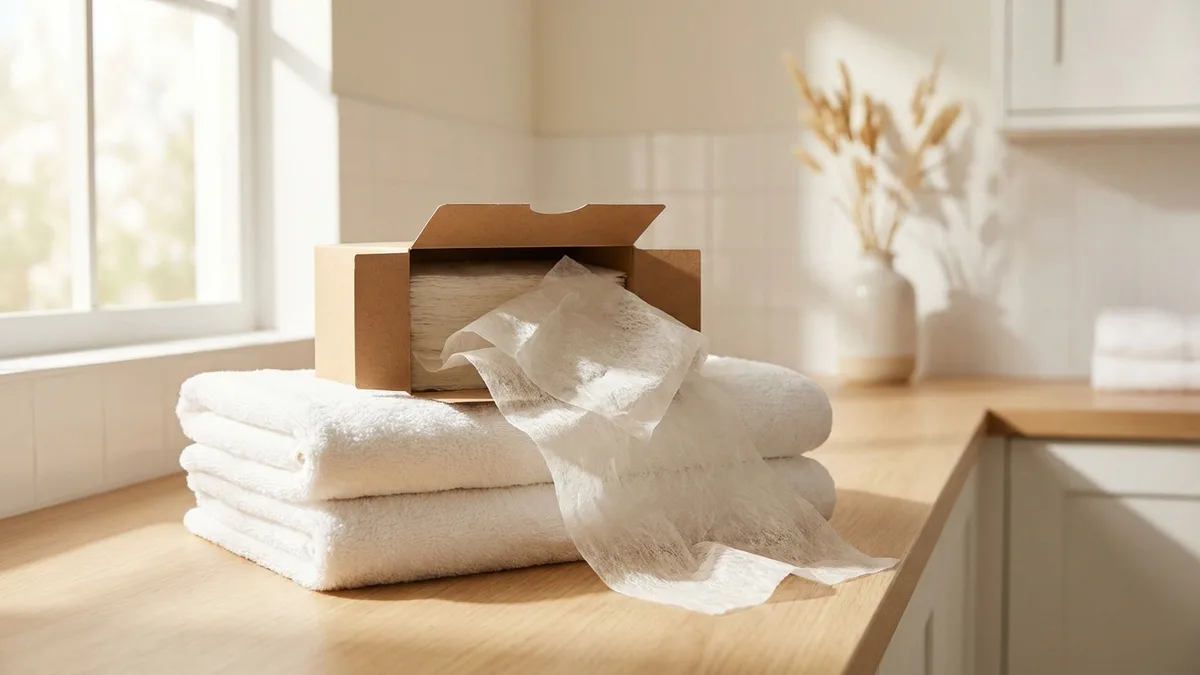
Bee’s Wrap was one of the first beeswax wrap brands on the market, and they’ve refined the product over the years. The wraps are made by infusing organic cotton with a blend of beeswax, jojoba oil, and tree resin. The warmth of your hands softens the wrap, letting you mold it around food or over the top of a bowl. As it cools, it holds its shape and creates a seal.
They work well for wrapping cheese, covering bowls of leftovers, wrapping half an avocado or onion, and storing bread. The beeswax coating has mild antibacterial properties, which helps keep food fresh. Most wraps last about a year with regular use before the wax coating starts to wear thin.
When a wrap reaches the end of its life, you can compost it. The entire thing breaks down naturally. That’s a significant environmental advantage over any plastic-based alternative.
The downsides: Beeswax wraps cannot be used with raw meat or fish (the wraps can’t be sanitized at high enough temperatures). They’re not microwave or freezer safe. They can’t handle hot foods. You wash them with cool water and mild soap only, since hot water melts the wax coating. And they’re not vegan (beeswax is an animal product).
The stickiness fades over time. After six to eight months of heavy use, wraps start losing their cling. You can refresh them by placing them on a baking sheet in a low oven (150 F) for a few minutes, which re-melts and redistributes the wax. But eventually they do wear out.
Best for: Wrapping cheese, covering bowls, storing bread and produce, anyone who wants a fully compostable alternative to plastic wrap.
3. (re)zip Stand-Up Storage Bags
Best zip-lock alternative
- Price: $9 to $15 per bag
- Material: PEVA (polyethylene vinyl acetate)
- Certifications: BPA-free, PVC-free, phthalate-free
- Safe for: Freezer and dishwasher (top rack)
If you want something that looks and functions like a traditional zip-lock bag but without the single-use waste, (re)zip bags are the closest match. They have a wide opening, a reliable zip closure, and a flat bottom that lets them stand upright in the fridge or freezer. The flat bottom is genuinely useful. It means the bag doesn’t flop over and spill.
The PEVA material is free from BPA, PVC, and phthalates. PEVA is considered a safer plastic alternative to PVC, though it’s still a plastic. It’s not as inert as silicone, and it doesn’t carry the same third-party certifications as Stasher bags. But for the price, it’s a solid step up from disposable bags.
They come in multiple sizes: snack, lunch, gallon, and a two-gallon size that’s great for marinating. The double-lock seal is easier to close than Stasher’s pinch-press, which makes these more kid-friendly.
The downsides: PEVA is safer than PVC, but it’s still plastic. Some people prefer to avoid all plastic food contact, in which case silicone (Stasher) is the better choice. The bags are not oven or microwave safe. And while they’re marketed as dishwasher safe, some users report the material becoming cloudy or stiff after many dishwasher cycles. Hand washing extends their life.
Best for: Families transitioning from disposable zip-locks who want the most familiar user experience, kids’ lunches, freezer storage.
4. Food Huggers Silicone Lids
Best for cut produce
- Price: $13 for a set of 5
- Material: FDA-compliant food-grade silicone
- Safe for: Freezer, microwave, dishwasher
Food Huggers solve a very specific problem: what do you do with half an avocado, a cut lemon, or the other half of an onion? Instead of wrapping them in plastic or dropping them in a bag, you press a Food Hugger directly onto the cut face. The silicone conforms to the shape and creates a seal.
The set comes in five graduated sizes that nest together for storage. They also stretch over the tops of cans, jars, and small bowls. The silicone is sturdy enough to hold its shape but flexible enough to adapt to uneven surfaces like a halved tomato.
I tested these with cut avocados, lemons, onions, cucumbers, and bell peppers. The avocados stayed green noticeably longer than when I used plastic wrap (probably because the hugger creates a tighter seal with less air exposure). Onion halves stayed fresh in the fridge for four to five days without drying out.
The downsides: They only work for small items and containers. They won’t cover a casserole dish or a large bowl. And they’re easy to lose in a cluttered kitchen drawer. The smallest sizes tend to wander.
Best for: Anyone who regularly stores cut fruits and vegetables, households that go through a lot of plastic wrap for small items.
5. Abeego Beeswax Wrap
Best for breathable food storage
- Price: $18 for a variety pack
- Material: Hemp and organic cotton infused with beeswax, tree resin, and jojoba oil
- Safe for: Room temperature and refrigerator storage
Abeego takes a slightly different approach than Bee’s Wrap. Their wraps are designed to breathe. The hemp fiber and beeswax coating allow moisture and air to pass through in a controlled way, which mimics how food stays fresh naturally (think of it like a second skin rather than a sealed barrier).
This breathability makes Abeego particularly good for cheese, fresh bread, and herbs. Cheese wrapped in Abeego stays fresh without sweating or getting slimy, which is a common problem with plastic wrap. Bread stays soft without going stale or getting moldy as quickly.
The wraps are thicker and sturdier than Bee’s Wrap, which means they last longer but are slightly harder to mold around small items. They work best for larger wrapping jobs: a loaf of bread, a wedge of cheese, a bowl of rising dough.
The downsides: Same limitations as any beeswax wrap: no raw meat, no hot foods, no microwave, no freezer. Cool water wash only. Not vegan. And the thicker material can feel stiff when you first try to wrap small items.
Best for: Cheese lovers, bread bakers, anyone who stores herbs regularly, people who want the longest-lasting beeswax wrap.
6. Silicone Stretch Lids
Best budget option
- Price: $8 to $12 for a 6-pack
- Material: Food-grade silicone
- Safe for: Freezer, microwave, dishwasher
Silicone stretch lids are the simplest and cheapest entry point into non-toxic food storage. A six-pack of graduated sizes costs under $12 and covers everything from a small cup to a large mixing bowl. You stretch the lid over the top of any container, and the silicone grip holds it in place.
They replace plastic wrap for covering bowls of leftovers, half-used cans, and containers that lost their lids. They’re not as airtight as a Stasher bag or a proper glass container with a lid, but for short-term fridge storage, they work fine.
Multiple brands sell these. Look for ones that specify food-grade silicone and are BPA-free. Some budget sets use lower-quality silicone that loses its stretch after a few months. The better sets last a year or more.
The downsides: Not airtight enough for long-term storage or liquids. Not suitable for transporting food (they can pop off if jostled). Quality varies widely between brands, and there’s no widely recognized third-party certification for most generic silicone lid sets.
Best for: Covering bowls and containers in the fridge, replacing plastic wrap for short-term storage, anyone looking for the cheapest possible plastic wrap alternative.
Beeswax Wraps vs. Silicone Bags: Which Is Better?
This is the most common question I get, and the answer depends on what you’re storing.
Choose beeswax wraps when:
- Wrapping cheese, bread, or herbs
- Covering bowls for short-term fridge storage
- You want a compostable, zero-waste product
- You prefer a more natural material
Choose silicone bags when:
- Storing liquids or marinated foods
- Freezing food
- Heating food in the microwave or oven
- You need a leak-proof seal
- You want the longest-lasting option
In practice, most non-toxic kitchens benefit from having both. Beeswax wraps for countertop and fridge wrapping. Silicone bags for freezer storage, sous vide, and anything that needs a true seal.
For a broader look at organizing a non-toxic kitchen, our guide on non-toxic kitchen essentials covers everything from cookware to storage to cutting boards.
Cost Comparison: Reusable vs. Disposable
Let’s look at the actual numbers over one year for a typical household.
Disposable option (annual cost):
- Plastic wrap (5 rolls/year): ~$20
- Zip-lock bags (6 boxes/year): ~$42
- Aluminum foil (3 rolls/year): ~$15
- Total: ~$77/year
Reusable option (first-year cost):
- Stasher bags (4 bags, various sizes): ~$55
- Bee’s Wrap 3-pack: ~$18
- Silicone stretch lids (6-pack): ~$10
- Total: ~$83 first year
Reusable option (year two and beyond):
- Replacement Bee’s Wrap: ~$18
- Everything else still in use: $0
- Total: ~$18/year
The reusable setup pays for itself partway through the second year and saves money every year after that. Over five years, the disposable route costs roughly $385. The reusable route costs roughly $155. That’s a savings of about $230, plus you’ve kept thousands of plastic bags and sheets of wrap out of landfills.
If you’re also rethinking your food storage containers, see our guide to the best non-toxic food storage containers for glass and stainless steel options.
Freezer-Safe Options: What Actually Works
Not everything in this roundup handles the freezer well. Here’s the breakdown:
Freezer safe:
- Stasher silicone bags (all sizes)
- (re)zip bags
- Silicone stretch lids
- Food Huggers
Not freezer safe:
- Bee’s Wrap (the cold makes the wax brittle and it cracks)
- Abeego (same issue)
For freezer storage specifically, Stasher bags are the best option. They lay flat in the freezer, seal completely, and don’t crack or degrade at low temperatures. Label them with a dry-erase marker (it wipes off the silicone surface) to track what’s inside and when you froze it.
Tips for Making the Switch
Transitioning from disposable to reusable food storage doesn’t have to happen overnight. Here’s a practical approach:
-
Start with silicone stretch lids. At under $12, they’re the cheapest way to eliminate plastic wrap from your kitchen. Use them to cover bowls and containers in the fridge.
-
Add Stasher bags for your most-used sizes. If you go through a lot of sandwich-size bags, start there. Expand to other sizes as your budget allows.
-
Try one beeswax wrap pack. See if beeswax wraps fit your kitchen habits. Some people love them. Others find them fussy. A $18 three-pack is enough to know.
-
Keep a small box of disposable bags as backup. Don’t pressure yourself to go 100% reusable immediately. Having a few disposable bags on hand for unusual situations (raw meat, packing for travel) reduces frustration during the transition.
-
Invest in good glass containers. Reusable bags and wraps work alongside, not instead of, proper food storage containers. A set of glass containers with locking lids handles most leftovers better than any bag or wrap. See our non-toxic food storage container guide for specific picks.
For a full walkthrough of making your home less toxic, our room-by-room home detox guide covers the kitchen and every other room.
Reader Questions
Are beeswax wraps sanitary?
Yes, when used correctly. Beeswax has natural antibacterial properties. Wash wraps with cool water and mild soap after each use. Do not use beeswax wraps with raw meat or fish, as the wraps cannot be sanitized at high enough temperatures to kill pathogens from raw protein.
Can you put Stasher bags in the oven?
Yes. Stasher bags are oven-safe up to 425 degrees Fahrenheit. You can use them for baking, reheating, and sous vide cooking. Place them on a baking sheet in the oven rather than directly on the oven rack. Do not use them under a broiler.
How long do reusable silicone bags last?
With proper care (hand washing or dishwasher top rack, avoiding sharp utensils), Stasher bags last several years. Many users report three to five years of regular use with no degradation in the seal or material. Staining from strongly colored foods is cosmetic and doesn’t affect safety or function.
Are (re)zip bags safe for food?
(re)zip bags are made from PEVA, which is free from BPA, PVC, and phthalates. PEVA is considered a safer alternative to PVC plastic, though it is still a plastic material. For those who want to avoid all plastics in food contact, platinum-cured silicone (Stasher) is the most conservative choice.
Can beeswax wraps go in the fridge?
Yes. Beeswax wraps work well in the refrigerator. The cold temperature helps the wrap hold its shape around food. Just avoid the freezer, as freezing temperatures make the beeswax brittle and cause cracking.
What is the most eco-friendly option?
Beeswax wraps (Bee’s Wrap and Abeego) are the most eco-friendly because they’re made from natural materials and are fully compostable at end of life. Silicone bags are extremely durable and reduce waste through reuse, but silicone is not biodegradable. Both are significantly better for the environment than single-use plastic.
Sources
- FDA. “Plastics and Food Contact Materials.” U.S. Food and Drug Administration.
- Zota, Ami R. and Shamasunder, Bhavna. “The Environmental Injustice of Beauty: Framing Chemical Exposures from Beauty Products.” American Journal of Obstetrics and Gynecology, 2017.
- University of Newcastle (Australia). “No Plastic in Nature: Assessing Plastic Ingestion from Nature to People.” WWF commissioned study, 2019.
- MADE SAFE certification standards: madesafe.org